Raised beds benefit from protective garden cloths that shield soil, plants, and seedlings from cold, wind, and pests. This article highlights five top picks ideal for American gardens, covering frost protection blankets, weed barrier fabrics, and durable planter liners. Each option balances durability, breathability, and ease of use to keep beds productive through variable seasons.
| Product | Brand | Bed Fit (Approx.) |
|---|---|---|
| Homoda Plant Covers Freeze Protection (102″×50″×22″) | Homoda | 4’×8′ bed |
| Homoda Plant Covers Freeze Protection (55″×28″×18″) | Homoda | 2’×4′ bed |
| LGJIAOJIAO 3ft×50ft Weed Barrier Landscape Fabric | LGJIAOJIAO | General weed control |
| UWIOFF 4ft×100ft Garden Weed Barrier | UWIOFF | Extended weed protection |
| LifeisLuck Fabric Raised Garden Bed Liner | LifeisLuck | Large fabric grow bag beds |
Homoda 102″×50″×22″ Frost Cover Set

The Homoda frost protection set includes two rectangular covers designed to fit a 4’×8′ raised bed. These covers shield vegetables, flowers, potted plants, and seedlings from frost, snow, cold winds, and pests. A secure drawstring at both ends helps the fabric stay in place during windy nights, reducing the risk of exposure. Made from a breathable 2.0 oz/yd² non-woven fabric, these covers are UV resistant and reusable for multiple seasons, offering a practical balance of protection and reusability.
Homoda 55″×28″×18″ Frost Covers (2-Pack)
Designed for smaller raised beds, this 2-pack from Homoda provides two 55″×28″×18″ frost protection blankets. The fabric is breathable and durable, with adjustable drawstrings at both ends to ensure a snug fit against wind. Like the larger variant, these covers are made from non-woven fabric that withstands winter conditions and can be reused in future seasons, helping protect vegetables, seedlings, and flowers from early frosts.
LGJIAOJIAO 3ft×50ft Weed Barrier Landscape Fabric
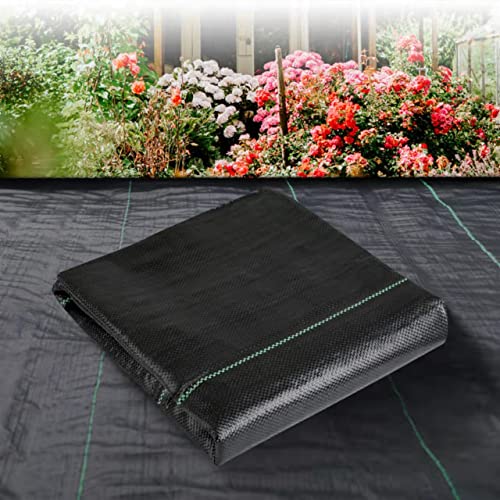
This premium weed barrier fabric acts as a geotextile layer for landscaping and raised beds. With excellent weed suppression and high durability, it can withstand heavy foot and light vehicle traffic. The material allows water and nutrients to penetrate to the soil while minimizing weed growth, promoting healthier plant roots and less maintenance. It’s designed for long-lasting use, making it a solid choice for extended garden projects.
UWIOFF 4ft×100ft Weed Barrier Landscape Fabric

The UWIOFF weed barrier offers an extended footprint for larger garden areas. Constructed from high-quality 3.2 oz PE fabric, the material remains flexible and UV resistant, providing weed control for more than five years. Its permeability supports air and water movement, helping to preserve soil moisture while preventing weed intrusion. This is a robust option for larger raised beds or multiple garden beds that require ongoing weed suppression.
LifeisLuck Fabric Raised Garden Bed Liner

LifeisLuck offers a large fabric planter bag with integrated grids and spare gardening tools to support root development while containing soil. The liner is designed for durability and reusability, providing a breathable barrier that helps prevent soil loss while enabling proper drainage. This option suits growers who want a mobile, fabric-based bed solution that can be placed on patios, decks, or yards with flexible sizing.
Buying Guide: Key Considerations For Raised-Bed Cloths
- Bed size and fit: Measure your raised bed dimensions before selecting a cover or liner. Some products are designed for standard 4’×8′ beds, while others fit 2’×4′ setups or larger liners. Choosing the right fit minimizes wind disruption and maximizes protection.
- Material and durability: Non-woven fabrics offer breathability and frost protection, while woven weed barriers prioritize long-term weed suppression. Look for UV resistance for outdoor longevity and confirm whether the fabric is reusable season after season.
- Protection level: Frost blankets and liners vary in warmth and coverage. For hard winters, thicker fabrics with insulated linings perform better. For light frosts or pest protection, lighter materials may suffice.
- Breathability and drainage: Fabrics should allow air and water to pass through to avoid creating overly damp conditions that could harm plant roots. Weed barriers that block weeds but permit soil moisture are ideal for healthy growth.
- Ease of installation: Drawstring closures, ties, or simple folds help secure covers against wind. Some products include built-in drawstrings at both ends for secure fitting, reducing movement during storms.
- Reusability and maintenance: Check if the fabric can be cleaned and reused across multiple seasons. Recyclability and the ability to withstand repeated use can affect long-term cost and environmental impact.
- Compatibility with bed type: Liner fabrics are helpful for soil containment in raised beds and planters, while frost covers are best for protecting crops during cold snaps. Determine whether you need soil containment, frost protection, or weed suppression in your setup.
Across these options, the best choice depends on bed size, local winter severity, and whether the primary goal is frost protection, weed control, or soil containment. For larger raised beds, durable weed barriers paired with seasonal frost covers can deliver a comprehensive protection strategy. Smaller beds can benefit from two-pack frost covers with secure drawstrings to ensure reliable coverage through sudden cold spells. Gardeners seeking simple, mobile protection may prefer fabric liners that can be cut to fit irregular shapes while maintaining soil containment and drainage.