The best hand pruner for your garden should fit your hand and the cut you need to make. A larger published cutting capacity is not much help if the handles open farther than you can comfortably control.
This shortlist compares five exact bypass models using manufacturer information and identified Amazon listings. It is a research-based buying guide, not a hands-on cutting trial or a promise that one tool will suit every gardener.
Start with the work, then your hand
Write down what you usually cut: a few suitable garden stems, small live branches, or a seasonal cleanup task. Identify the plant and the appropriate pruning timing before making the purchase a reason to cut it.
University of Minnesota Extension explains that bypass pruners work like scissors with overlapping blades and distinguishes them from other pruning tools. A hand pruner has a limited role; larger or inaccessible work may need a different tool or qualified help.
Compare your handedness, comfortable grip, and the manufacturer’s size guidance next. Published capacity describes a product limit under stated conditions, not a target that you should force your hand to reach.
| Exact model | Published comparison point | Useful starting situation | Tradeoff to check |
|---|---|---|---|
| FELCO 2 | Large right hand; replaceable components | A right-handed gardener planning ongoing care | Large size may not fit a smaller grip |
| FELCO 6 | Medium right hand; compact model | A smaller alternative to FELCO 2 | Different size and capacity, not the same tool shortened |
| FELCO 9 | Large left hand | A purpose-made left-handed option | Still check the large-hand fit |
| Corona BP 3180D | Forged bypass; 1-inch stated capacity | Medium-to-large grip comparison | Capacity does not establish comfortable cutting force |
| Fiskars 91095935J | 5/8-inch stated capacity | Smaller routine cuts within its instructions | Lower capacity and a different service approach |
FELCO 2: compare for a large right hand and ongoing maintenance
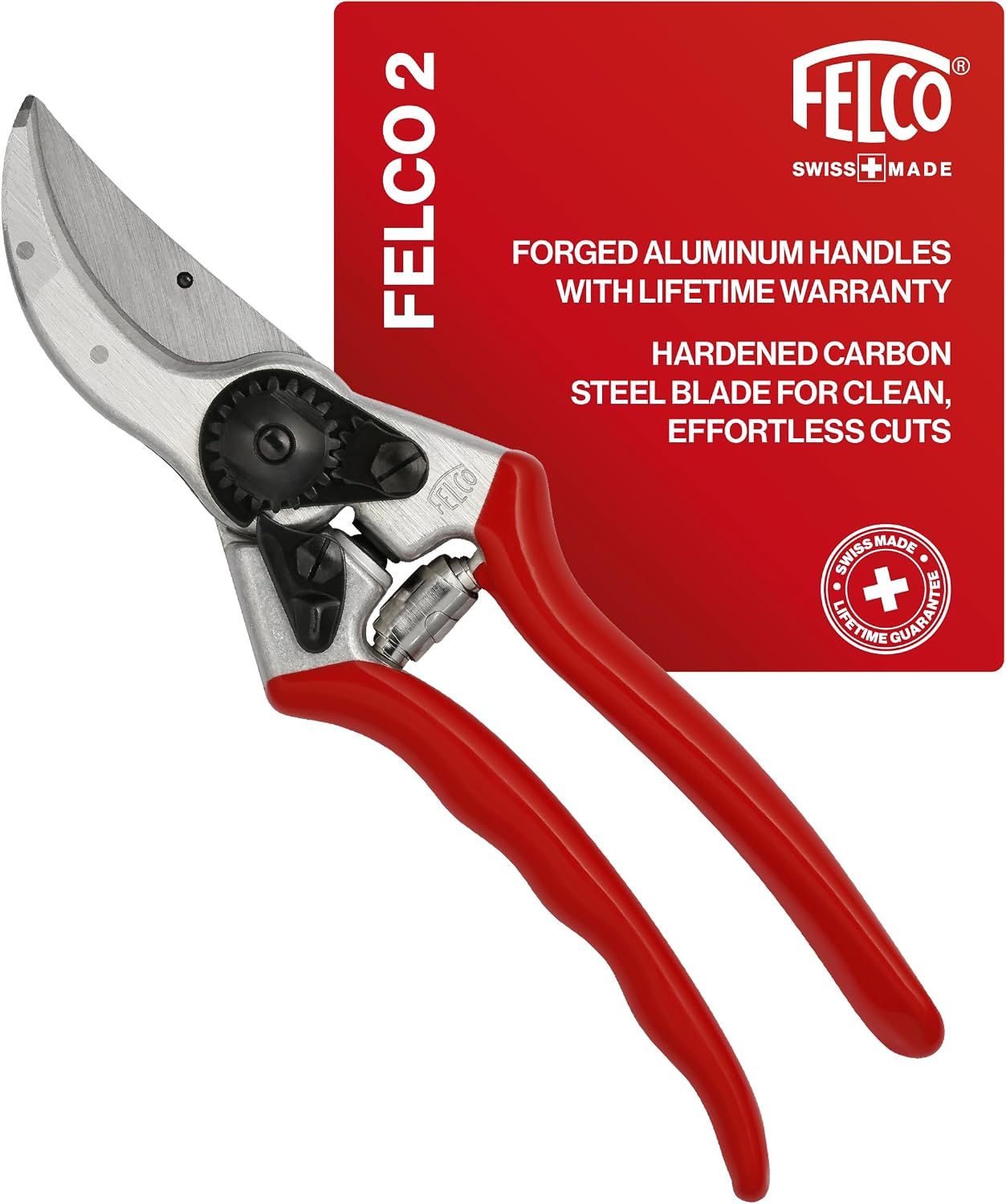 Check FELCO 2 on Amazon
FELCO identifies the 2 as a large-hand, right-handed bypass pruner and provides model-specific spare-part information. It is a logical starting point if you want to keep a tool in service and are prepared to maintain it.
The useful feature is the support path rather than a vague promise of a lifetime result. Check which replacement parts and maintenance instructions apply to the exact model before assuming a worn component means replacing the whole tool.
The tradeoff is size: a familiar model number does not make its grip suitable for a smaller hand. Compare the manufacturer’s hand-sizing guidance and, if possible, assess the fit through a retailer’s permitted handling or return process.
The Amazon title includes a length description that differs from FELCO’s net tool specification. Use the manufacturer for the tool dimensions, and confirm the listing still identifies FELCO 2 rather than relying on that title number.
FELCO 6: compare a medium right-handed fit
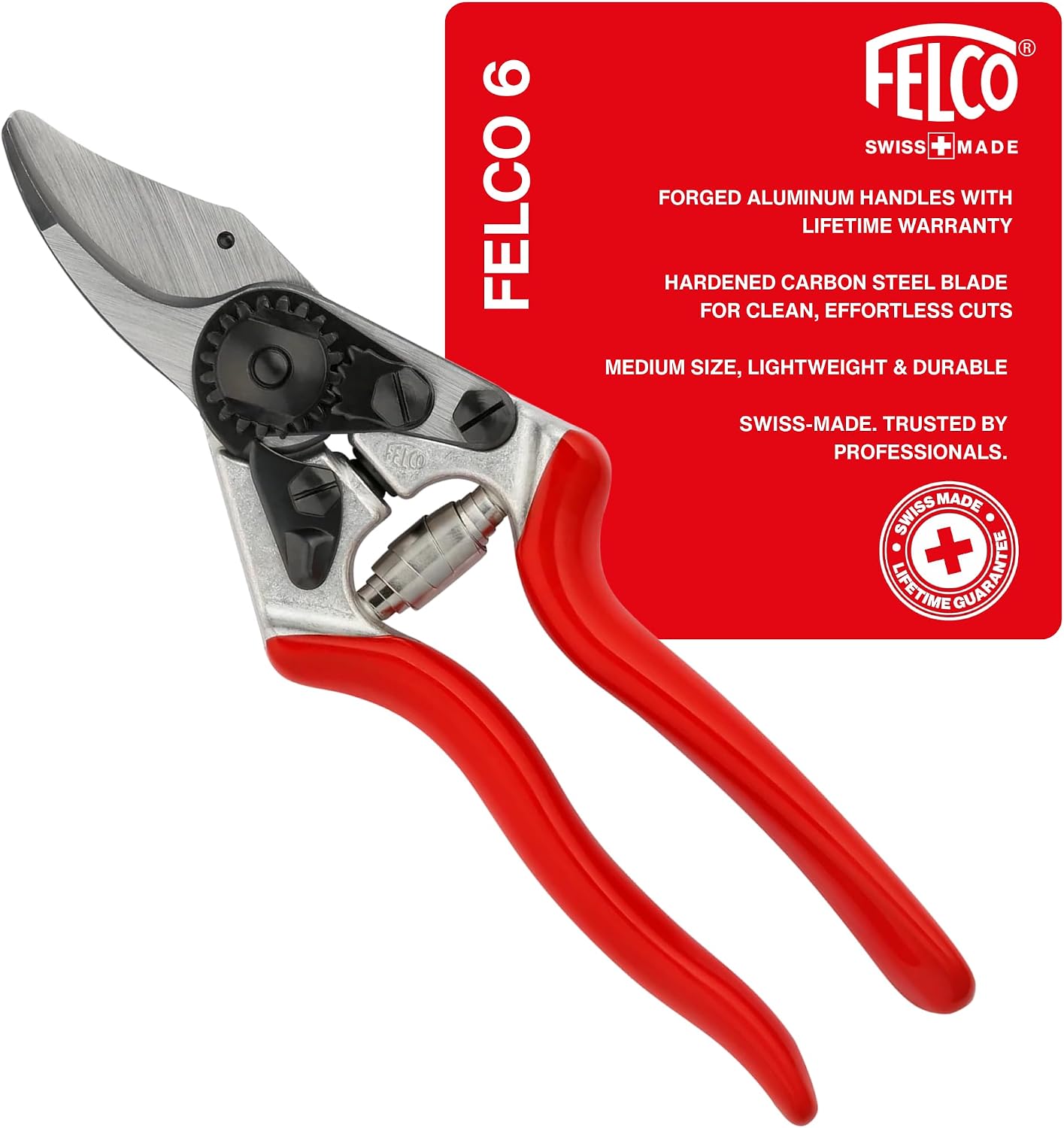 Check FELCO 6 on Amazon
FELCO describes the 6 as a compact bypass pruner for medium hands and lists a smaller cutting diameter than the larger models. It is the alternative to examine when the 2’s large-hand designation is the wrong starting point.
You still need to check reach, lock operation, and how the opening sits in your hand. A medium label helps narrow the choice but cannot establish comfort for every person’s fingers or working position.
The tradeoff is treating this as its own tool rather than a large model with no compromises. Match the intended material and published limits, and do not use the shorter format as a reason to push through a resistant cut.
Use the specific FELCO 6 documentation when ordering parts or following maintenance steps. Similar red handles are not enough to identify a compatible blade, spring, or adjustment procedure.
FELCO 9: a purpose-made large left-handed option
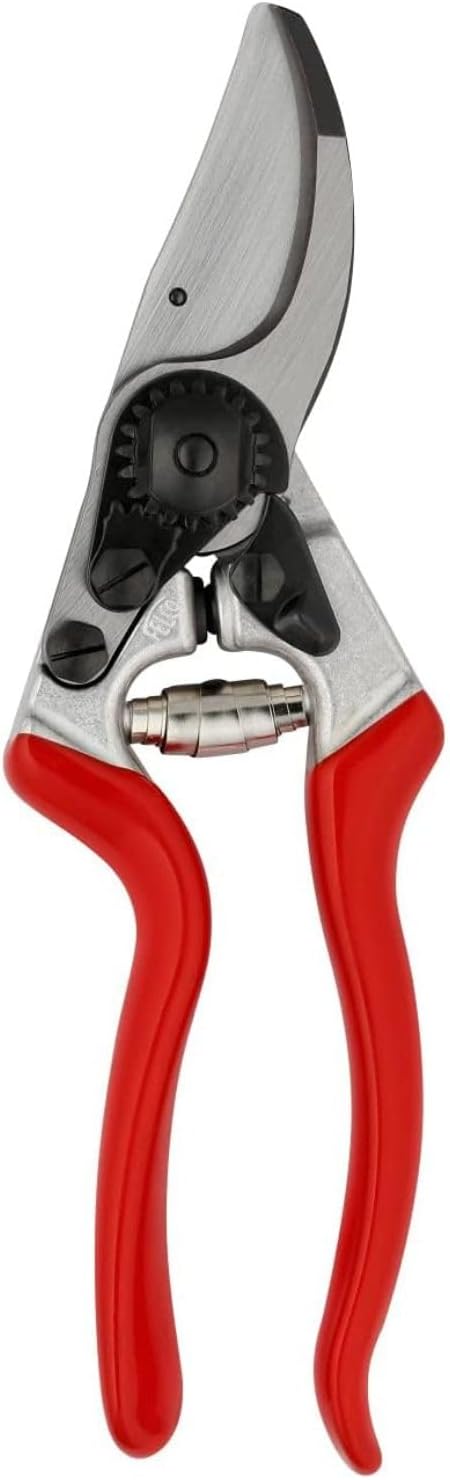 Check FELCO 9 on Amazon
The FELCO 9 is identified by its maker as a large-hand, left-handed bypass pruner with an angled cutting head. That handedness is its clearest reason to be on this shortlist.
If you use your left hand, compare a tool designed for that orientation before assuming a right-handed model is your only practical choice. Pay attention to the actual handle and blade arrangement rather than a broad marketplace handedness filter.
The tradeoff is that this particular left-handed model is still sized for a large hand. If the opening is too wide for your grip, look for a properly sized left-handed alternative instead of forcing a fit.
The linked listing identifies F9 and the manufacturer page identifies FELCO 9. Confirm the exact model on the current offer and delivered tool, because a wider brand page can include several different variants.


Corona BP 3180D: a forged bypass alternative for a larger grip
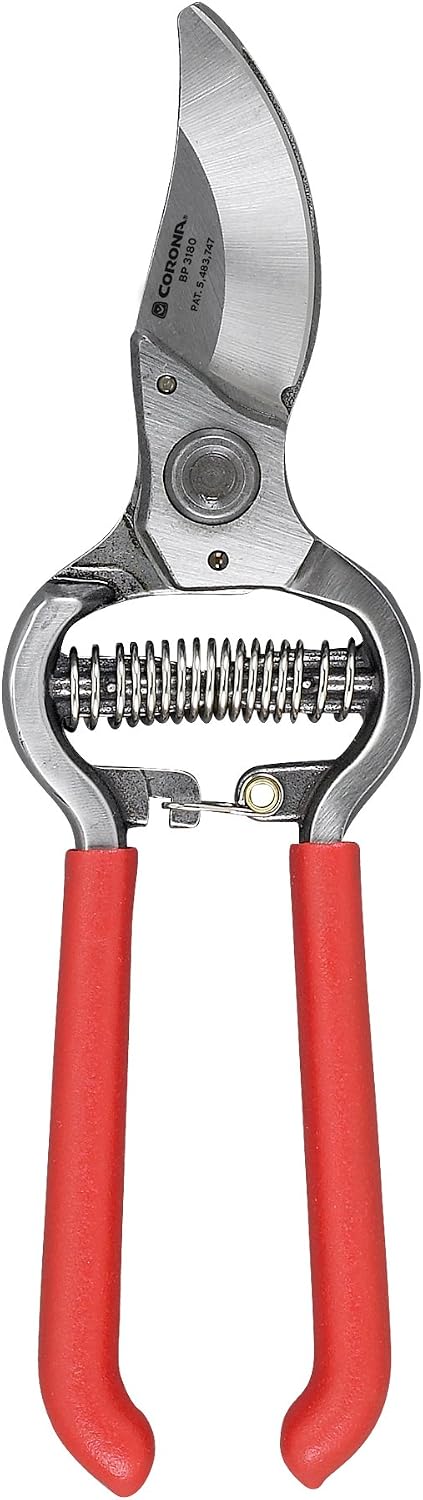 Check Corona BP 3180D on Amazon
Corona lists the BP 3180D ClassicCUT with a forged, resharpenable blade and a one-inch cutting capacity. Its product page describes the grip as best suited to medium-to-large hands.
Compare this model when those fit notes match your hand and the planned work stays within the instructions. The exact model and its service information matter more than the broader ClassicCUT family name.
The tradeoff is that a stated one-inch capacity does not tell you how easily you can cut a particular stem. Species, material condition, blade condition, and your own grip can change the practical decision.
If a cut feels resistant, stop and choose the appropriate next tool rather than twisting the pruner or adding a second hand to force it. The purchase should support a suitable task, not expand the tool’s limits.
Fiskars 91095935J: compare for smaller routine cuts
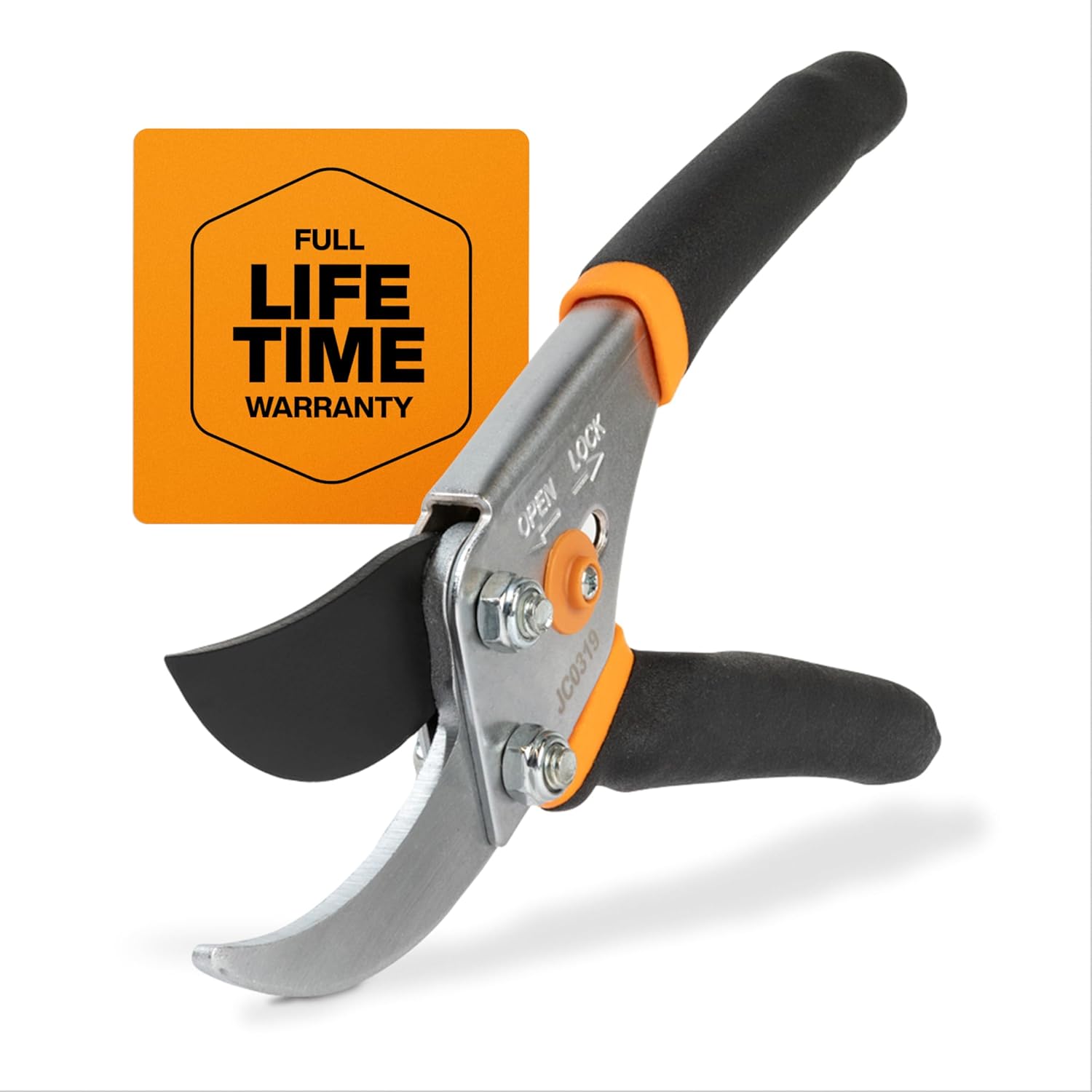 Check Fiskars 91095935J on Amazon
The Fiskars 91095935J is identified in the manufacturer catalog as a traditional bypass pruner with a five-eighths-inch capacity. The linked single-tool listing matches that model and capacity.
This is a useful comparison for a gardener whose routine involves smaller cuts and who wants to avoid choosing solely by the larger capacities above. Assess the grip and lock for yourself within the retailer’s handling rules.
The tradeoff is the lower stated capacity and a different maintenance or replacement path. Check the current instructions and support information rather than assuming it shares the same spare-part system as FELCO.
The manufacturer catalog used for the model check is an older publication, so it does not establish current packaging or availability. Confirm the exact model and included items on the current listing before placing an order.
Five checks before you choose
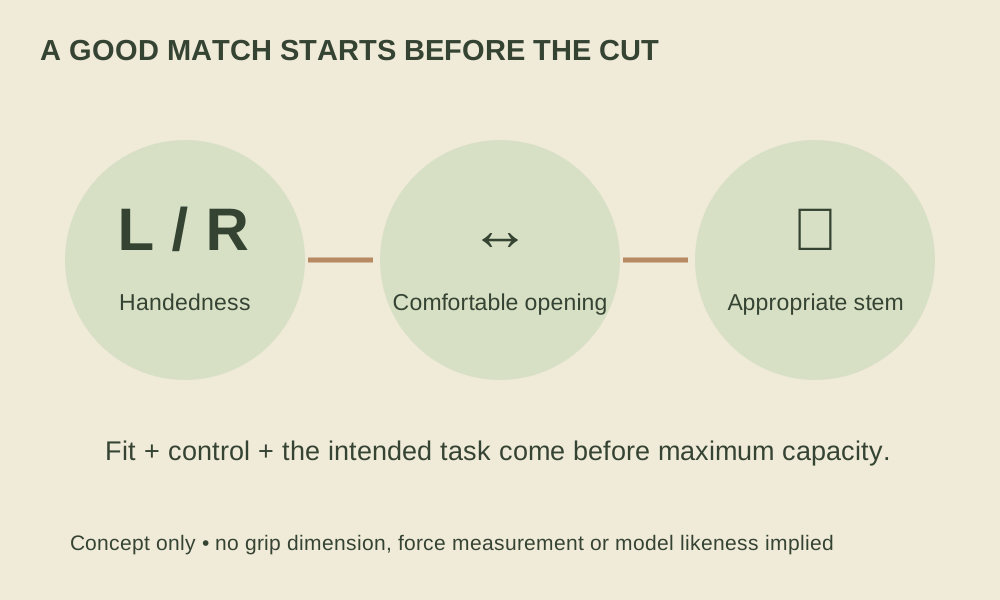
First, identify the plant and intended cut; second, check the tool’s material and capacity limits. Third, match handedness and the manufacturer’s hand-size guidance so the tool starts from a plausible fit.
Fourth, consider the lock, opening, and access around the work. Fifth, decide whether you will follow the cleaning, adjustment, sharpening, and replacement routine required by that exact model.
These are selection criteria, not numerical test scores. We have not measured cutting force, hand fatigue, edge life, or disease-transfer performance for these five tools.
Keep the purchase connected to a care routine
Before checking out, make a brief note naming the model and the feature that justified it. “Large left-handed fit” or “medium right-handed alternative” is a clearer purchasing reason than a general claim that a brand is the best.
That note also helps when a retailer offers a substitution. A different model may share the brand and color while changing the hand orientation, opening, capacity, or available parts that mattered to your choice.
Check the seller, current offer, and return conditions at the destination. An identified product listing is not a certification of every seller, and the listing’s main photograph does not establish the authenticity or condition of an item delivered by a particular merchant.
Inspect the received model before using it in the garden, following the maker’s safe handling directions. If the identity, condition, or operation is unclear, resolve that with the seller or manufacturer rather than treating the purchase as already verified.
Give storage a place in the decision as well. You need somewhere appropriate to keep a sharp tool secured and accessible for the intended user, with its instructions and model information easy to find for the next maintenance task.
Read the maintenance instructions before the first use and store the tool as directed. Keep the exact model and purchase information where you can find it when you need a part or warranty answer.
Choose pruning timing and technique from guidance for the particular plant and your location. A buying guide cannot decide which branch should be removed or whether a symptom needs diagnosis first.
If the tool does not fit comfortably or the work exceeds its role, revise the choice. Your garden notebook should connect the task, the tool, and the reason for the decision rather than record only another item bought.