Maintaining a lush, weed-free lawn often hinges on choosing the right selective herbicide. The best options target common broadleaf and some grassy weeds without harming established turf. This guide highlights top picks that mix pre- and post-emergent action, seasonal timing flexibility, and broad-spectrum control. We’ll compare active ingredients, application timing, turf tolerance, and easy-to-use formats so American homeowners can make informed purchases that fit their lawn care routines.
The following table provides a quick snapshot of the selected products, helping you compare core capabilities at a glance. Use it as a starter guide before diving into detailed reviews for each item.
| Product | Brand | Key Feature | Form |
|---|---|---|---|
| Atticus Torocity Herbicide (8oz) | Atticus | 40% mesotrione for flexible pre- and post-emerge control | Concentrate |
| BASF Drive XLR8 Crabgrass Killer | BASF | Post-emergent, up to 30 days residual, rainfast quickly | Concentrate |
| Syngenta Tenacity Herbicide (8oz) | Syngenta | Pre- and post-emergent control of 46 species | Liquid |
| Southern Ag Amine 2,4-D WEED KILLER (32oz) | Southern Ag | Kills many broadleaf weeds in turf and non-turf areas | Concentrate |
| Spectracide Weed Stop For Lawns Plus Crabgrass Killer | Spectracide | Kills 470+ weeds including crabgrass; ready-to-use | Ready-to-use |
Atticus Torocity Herbicide (8oz) — Mesotrione Concentrate
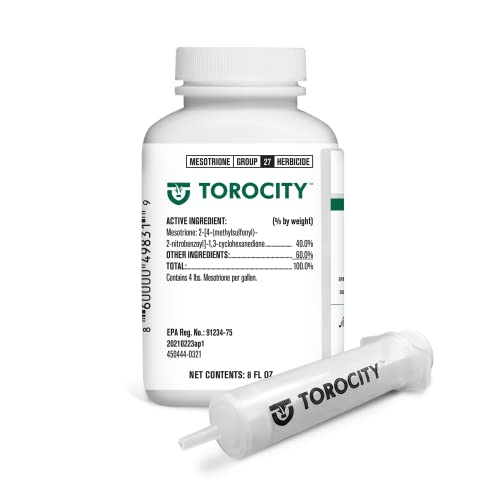
Atticus Torocity is a mesotrione-based herbicide designed for lawn and turf grasses with both pre- and post-emergent activity. It provides a flexible application window by targeting emerging weeds and established growth. Its active ingredient is the same chemical class as Tenacity, offering a trusted performance history for turf professionals and homeowners alike. The product’s labeling emphasizes broad-spectrum weed control including common lawn challengers such as crabgrass, clover, oxalis, dandelion, and ground ivy. Users should follow label directions for dilution rates and compatibility with existing turf species.
Key benefits include a forgiving timing window that helps prevent new weed establishment and a broad weed spectrum. As with any herbicide, it’s important to consider turf type, seeding status, and nearby desirable grasses to ensure selective control. For best results, apply during appropriate growth stages and avoid stressing the lawn through drought or heat. This concentrate is intended to be mixed with water per label specifications and applied using standard broadcast equipment or handheld sprayers.
Considerations include compatibility with newly seeded areas and overseeding, spray coverage uniformity, and rotation with other herbicides to minimize weed resistance. Homeowners should always read the label for restricted-use guidelines and planter-specific cautions, especially when neighboring ornamentals or desirable grasses exist in the landscape.
BASF Drive XLR8 Crabgrass Killer for Lawn & Turf

BASF Drive XLR8 is a post-emergent herbicide formulated for lawn and turf that targets grassy and broadleaf weeds with a rapid kill onset. Its active ingredient, quinclorac, is paired with a water-based formulation that helps improve uptake and speed of action. The product offers extended residual control, potentially reducing the need for frequent reapplications, and boasts rainfastness in under an hour, which helps protect treated areas from post-application wash-off. This option is particularly suitable for lawns facing crabgrass and similar annual grasses, especially in warmer climates.
What to expect is visible weed suppression and a smoother lawn surface as treated weeds die back. The water-based delivery supports consistent coverage on typical turf species, and the product’s 30-day residual window provides ongoing protection between applications. Always verify compatibility with your specific grass type and avoid applying to stressed or dormant lawns for best results.
Practical tips include conducting a spot test on a small lawn area before full application and adjusting your spray technique to avoid drift onto non-target plants. Maintain regular mowing and proper irrigation post-treatment to help your turf recover quickly from weed die-off.
Syngenta Tenacity Herbicide — Pre- and Post-Emergent

Tenacity by Syngenta is a versatile liquid herbicide designed for lawn and turf grasses with both pre-emergent and post-emergent activity. Its active ingredient, mesotrione, has a long-standing track record for controlling a broad spectrum of weeds, including many common lawn invaders such as crabgrass, clover, dandelion, and ground ivy. Tenacity stands out for its application flexibility during seeding or overseeding, enabling weed control as newly established turf takes root. This makes it a favored choice for renovations and new lawn projects as well as maintenance in established lawns.
In practice, Tenacity allows homeowners to address current weed pressures while also preventing upcoming germination. The product’s profile emphasizes selective action, meaning the treated turf grasses remain unharmed when used as directed. As with any herbicide, adherence to label instructions is essential to protect desirable grasses and avoid off-target injury. Surface runoff and application timing are important considerations, especially in high-sun or windy conditions.
Operational notes include attention to turf tolerance of specific grass species, required mixing instructions, and compatibility with pre- or post-emergent strategies. Because Tenacity operates through mesotrione, it’s prudent to rotate with different modes of action over multiple seasons to mitigate resistance development in weed populations.
Southern Ag Amine 2,4-D WEED KILLER
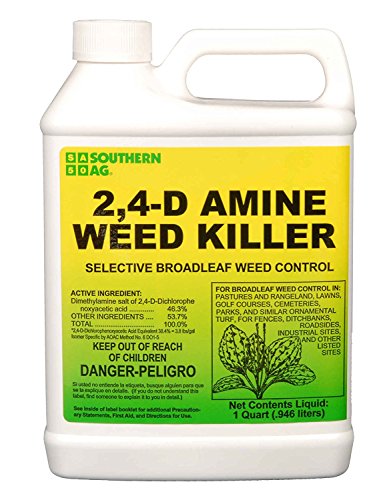
Southern Ag Amine 2,4-D WEED KILLER is a classic selective herbicide designed to control a wide range of broadleaf weeds in turf and non-turf areas. Its low-use rate, typically 1 to 4 pints per acre, makes it economical for homeowners treating lawns, pastures, rangelands, and border areas. The active ingredient 2,4-D targets broadleaf weeds while generally sparing most grasses when used according to label directions. This product is well-suited for post-emergent control of existing weeds and can be integrated into a broader lawn care program that includes core fertilizer and mowing practices.
The ease of use and established efficacy make 2,4-D a staple in many homeowners’ weed management kits. However, because it is selective for broadleaf species, it will not curb many grassy weeds like crabgrass or foxtail. For best outcomes, apply under appropriate weather conditions and ensure irrigation follows the application to move the chemical into the leaf tissue.
Practical considerations include avoiding application during drought stress or heat, as turf health affects herbicide uptake. Carry out a follow-up assessment after rain events or irrigation to confirm weed suppression. When used as part of an integrated weed management plan, combine with mechanical mowing and fertilization practices to promote a dense lawn canopy that suppresses weed establishment.
Spectracide Weed Stop For Lawns Plus Crabgrass Killer

Spectracide Weed Stop For Lawns Plus Crabgrass Killer is a ready-to-use solution designed to kill more than 470 weed types while sparing most established lawn grasses when applied according to the label. This product is particularly convenient for homeowners who prefer a drop-in treatment with minimal mixing. It targets a wide spectrum of weeds, including dandelion, chickweed, clover, and crabgrass, making it a versatile option for seasonal weed pressure. While it is user-friendly, it’s important to apply to actively growing weeds and to avoid excessive application that could stress turf or cause staining on hardscapes if drift occurs.
Because the formula is ready-to-use, this option can be ideal for spot-treating problem areas or for homeowners who need quick results without equipment setup. Always follow label directions regarding spray coverage, reentry intervals, and irrigation guidelines to maximize turf safety and weed kill efficiency.
Buying Guide: Key Considerations For Choosing A Selective Lawn Herbicide
When selecting a selective herbicide for lawns, several factors influence long-term success. The following considerations help you compare options beyond price and immediate weed kill:
- Target weed spectrum: Different products target different sets of broadleaf and grassy weeds. Review the label to ensure the weeds you struggle with are included.
- Turf compatibility: Check whether the product is labeled for your specific grass type and for newly seeded or overseeded areas. Some herbicides are tolerant of seed germination while others may restrict use on freshly seeded lawns.
- Mode of action: Using multiple modes of action over time reduces the risk of herbicide resistance. Rotate products with different active ingredients when feasible.
- Timing flexibility: Pre-emergent and post-emergent capabilities determine when you can apply. Some products offer accidental-application forgiveness window that helps when weeds germinate at different times.
- Residual control: Long residuals can extend weed suppression but may also increase exposure risk to desirable grasses if misapplied. Evaluate how long the product remains active after application.
- Turf stress and weather: Temperature, rainfall, and irrigation affect herbicide uptake. Avoid applying during extreme heat or drought and follow label reentry intervals after application in areas with foot traffic.
- Application format: Concentrates vs. ready-to-use formulations influence preparation time and equipment needs. Choose based on your comfort with mixing and spraying.
- Safety and compliance: Always read the product label for safety instructions, storage considerations, and any restrictions related to pets, children, or nearby ornamentals.
To optimize results, pair selective herbicide use with sound lawn care practices. Maintain proper mowing height for your grass type to reduce weed emergence, irrigate as needed to sustain turf health, and fertilize according to soil tests or local recommendations. Regular inspections for weed pressure allow you to adjust your herbicide plan before infestations become established.
In summary, the best selective herbicide for your lawn depends on the weed species you face, your turf type, and how actively you manage your lawn throughout the growing season. The products reviewed above represent a range of modes of action, application flexibilities, and user-friendly formats designed to help American homeowners achieve healthier, more attractive lawns.