Healthy hostas and ferns rely on balanced, slow-release nutrients that support lush fronds, vibrant foliage, and resilient root systems. The following selections are well-suited to shaded, moisture-rich gardens and indoor setups where hostas and ferns thrive. Each option emphasizes nitrogen for green growth, phosphorus for strong roots, and potassium for overall plant vigor. Below, you’ll find concise, objective notes on performance, application, and suitability, helping you compare products without price or hype.
| Product | Brand | Best For |
|---|---|---|
| HiThrive Fern Plant Food | HiThrive | Dense fronds and greener growth |
| TPS NUTRIENTS Fern Fertilizer | TPS NUTRIENTS | All ferns and mosses |
| Jobe’s Plant Food Spikes | Jobe’s Organics | Easy, low-mess feeding for ferns and palms |
| Nelson Plumeria Plant Food | Nelson Plant Food | Broad tropical plant nutrition including ferns |
| BGI PalmGain Fertilizer (2 lb) | BGI Fertilizers | Palms, ferns, and other ornamentals |
HiThrive Fern Plant Food – 16 oz

The HiThrive 16 oz fern fertilizer is designed to yield 32 gallons of liquid feed, making it a cost-efficient option for both indoor and outdoor ferns. Its formulation emphasizes nitrogen for lush fronds, phosphorus for strong root systems, and potassium for resilience. This product aims to support greener growth and improved frond texture, which can benefit hostas with similar nutrient needs in shaded spaces. Application is straightforward, with liquid dilution enabling precise feeding schedules to match fern growth cycles.
Key features include high value per bottle, a focus on balanced nutrition, and a target toward stronger plant vitality. For hosta enthusiasts who also cultivate ferns in mixed plantings, this option provides a compatible nutrient profile that supports dense fronds and overall plant resilience. As with any liquid fertilizer, follow label directions for dilution and frequency to avoid over-fertilization.
TPS NUTRIENTS Fern Fertilizer for All Ferns and Mosses

This liquid plant food is marketed for ferns and mosses, offering a straightforward feeding option for shaded or humid environments. While the product listing emphasizes ferns and mosses, users often apply similar nutrient blends to hostas in low-light conditions, especially when aiming to maintain robust foliage. The compact 8 oz size is convenient for small collections or test applications before scaling up. Expect a balanced nutrient mix intended to support steady growth and foliage retention.
Consider this option when you need a simple, ready-to-use fertilizer that can be rotated with other plant feeds. Check compatibility with your specific fern species and hosta varieties, and observe plant response to adjust feeding intervals accordingly. For best results, pair with proper watering practices to sustain consistent soil moisture levels.
Jobe’s Plant Food Fertilizer Spikes for Ferns and Palms

Jobe’s fertilizer spikes deliver nutrients directly to the root zone, designed to minimize runoff and mess. The 16-2-6 NPK formulation provides essential nitrogen, phosphorus, and potassium to support healthy fronds and strong root systems. This product is marketed for ferns and palms, but the slow-release spikes can be suitable for hostas in garden beds or containers, reducing maintenance while sustaining steady growth. Feeding every 60 days helps maintain consistent nutrition without frequent reapplications.
Usage notes include placing spikes around the root zone and watering after insertion to help dissolve the nutrients gradually. For hostas shared with ferns, pacing feedings to the plant’s growth rhythm and seasonal changes will yield more uniform foliage. Be mindful of plant spacing to ensure roots receive even distribution of nutrients over time.
Nelson Plumeria Plant Food NutriStar 5-30-5

While marketed for plumeria and other flowering tropicals, this granular fertilizer provides a balanced NPK mix with additional micronutrients that can benefit a variety of tropical and ornamental plants, including ferns and hostas in mixed beds or containers. The product’s 5-30-5 ratio emphasizes phosphorus for flowering and root development, which can complement green growth in hostas facing intermittent shade. The granular format supports slow, steady release, aiding in extended feeding between waterings.
Gardeners using this product should tailor the application to their plant groupings, applying the recommended rate and adjusting for container or bed conditions. While hostas typically benefit from balanced blends, the added micronutrients may help promote vigor in tropical-inspired plantings where multiple species coexist. Always follow label directions to avoid over-fertilization and potential nutrient run-off.
BGI PalmGain Palm Tree Fertilizer (2 lb)

BGI PalmGain is formulated for palms but is described as suitable for ferns and other ornamentals, offering a complete minor nutrient package for optimal performance. The 2 lb bag provides more extended coverage for larger plantings or multiple containers. This option may appeal to gardeners who cultivate ferns alongside palm species or want a versatile fertilizer suitable for a mixed landscape. Read the product label to ensure compatibility with hostas and adjust feeding frequency accordingly to avoid nutrient overload.
In practical terms, PalmGain’s emphasis on minor nutrients supports steady growth and root vitality, which can benefit hosta and fern combinations in shaded garden zones. Pair with proper watering and soil moisture management to maximize nutrient uptake and foliage quality.
BGI PalmGain Palm Tree Fertilizer (10 lb)

This larger 10 lb bag mirrors the same nutrient philosophy as the 2 lb option, offering extended supply for larger plantings or more intensive care regimes. The formulation is described as suitable for palms and assorted ornamentals, including ferns and cycads, making it a practical choice for mixed shade gardens or container setups containing hostas and ferns. When applying to hostas, consider gradual, periodic feeding to maintain steady green foliage without over-fertilization. Always follow the product’s application guidelines for best results.
Jobe’s Fern & Palm Indoor Fertilizer Spikes
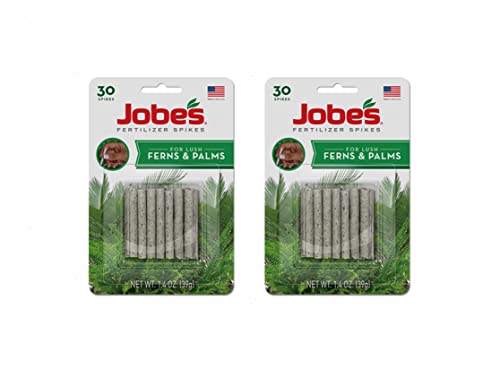
Jobe’s Fern & Palm Indoor Fertilizer Spikes offer a compact, mess-free feeding method designed for indoor plants and containers. The product provides a continuous supply of nutrients below the surface where active roots grow, aligning with the slow-release needs of ferns and hostas in indoor setups. The 5101 formulation aims to sustain healthy foliage and root systems without frequent reapplication, which can be advantageous for routine care in living rooms, bathrooms, or shaded offices where hostas and ferns are kept indoors.
To maximize effectiveness, place spikes near the root zone and follow the recommended feeding schedule. This approach helps maintain steady growth and reduces the risk of nutrient hotspots. For hostas in pots, integrating spikes into a broader feeding plan that includes periodic watering and soil checks can help sustain vibrant leaves and leaves with crisp edges.
Buying Guide: Key Considerations for Fertilizing Hostas and Ferns
- NPK Ratio and nutrient balance: Look for fertilizers with balanced or slightly nitrogen-focused blends (e.g., N-P-K around 5-1-3 to 3-1-2) to support lush green growth without excessive leaf burn on shade-loving plants.
- Form Factor: Choose between liquids, solids, and spikes based on your maintenance style. Liquids offer rapid adjustment, spikes provide slow release, and granules typically require less frequent application but may need soil incorporation.
- Root Zone Targeting: For ferns and hostas, ensure nutrients reach the root zone efficiently. Spikes and granular formulas designed for root absorption can be advantageous in containerized or densely planted beds.
- Moisture Management: Ferns, hostas, and many tropicals thrive in consistently moist soil. Pair fertilizer with regular watering to prevent salt buildup and leaf tip burn.
- Soil Type: Amend with organic matter or compost where applicable. Healthy soil improves nutrient uptake and promotes stronger fronds for ferns and lush leaf growth for hostas.
- Application Frequency: Shade plants generally require lighter, steadier feeding. Avoid heavy applications late in the growing season to prevent new growth that may not harden off before cooler weather.
- Container vs. In-Ground: Container plants often need more frequent feeding due to limited soil volume. Ground beds may tolerate slower-release blends, but adjust for rainfall and drainage.
- Plant Compatibility: While most products target ferns, several options can support hostas when your landscape includes mixed plantings. Always verify label guidance for hostas specifically.
- Environmental Considerations: Use formulations designed to minimize runoff and salt buildup. Avoid over-fertilization near water sources or during drought conditions.
- Label Instructions: Follow manufacturer directions for dilution, rate, and interval. When using indoor fertilizers, consider odor and accessibility for your living spaces.
Overall, selecting a fertilizer for hostas and ferns should balance steady green growth with healthy root systems, while minimizing risk of leaf burn or soil salt buildup. For shaded and humid environments, a steady, moderate feeding approach—whether via liquids, spikes, or granules—tends to provide reliable results across diverse fern species and hosta varieties. Always tailor your regimen to local climate, container size, and plant density to maintain vibrant foliage throughout the growing season.