Creeping Charlie, also known as ground ivy, can be stubborn to remove from lawns and ornamental turf. Effective control requires selecting products with active ingredients that target broadleaf weeds without harming desired grasses. Below are five well-matched options that are commonly used to tackle creeping Charlie, along with a concise buying guide to help you compare formulations, application timing, and compatibility with your lawn type. The table summarizes each product’s key attributes to jump-start your decision process.
| Product | Brand | Best For | Active/Key Features |
|---|---|---|---|
| Albaugh Sublime Weed Killer | Albaugh | Ornamental turf, lawns, golf courses | Broad spectrum; controls creeping Charlie with fast action; non-bleaching |
| ITS Supply T-Zone Turf Herbicide | PBI / Gordon | Residential, commercial, golf sites | Triclopyr + 2,4-D + Dicamba + Sulfentrazone; broadleaf weed and yellow nutsedge suppression |
| Southern Ag Amine 2,4-D WEED KILLER | Southern Ag | Turf, pastures, ditch banks | Low rate; broadleaf weed control including creeping Charlie; economical |
| Ortho Weed B-Gon Chickweed, Clover & Oxalis Killer | Ortho | Lawns; active in weeds including ground ivy | Kills chickweed, clover, oxalis, ground ivy; rainproof in 6 hours |
| PBI / Gordon TZone SE Broadleaf Herbicide | PBI / Gordon | Residential and commercial lawns | Broadleaf control; targets wild violet, ground ivy; effective for tough weeds |
Note: Always follow label directions for safety, mixing, and timing. The products listed here are commonly used by homeowners and professionals to address creeping Charlie in different turf scenarios.
Albaugh Sublime Weed Killer for Creeping Charlie

Product overview: Albaugh Sublime Weed Killer is positioned as a broad-spectrum option designed to defend turf from multiple weed species, including creeping Charlie. It emphasizes non-bleaching weed control, which helps maintain turf aesthetics during and after treatment. The product is suitable for ornamental turf lawns, golf courses, parks, athletic fields, sod farms, and other settings ranging from residential to institutional. Its formulation seeks to balance effective weed suppression with turf safety, aiming to minimize the common bleaching effects associated with some herbicides.
Key features and usage considerations: The product targets a broad range of persistent weeds. If creeping Charlie is your primary concern, Sublime’s broad spectrum approach can help reduce ground ivy populations while also addressing other common lawn weeds. Application timing, turf type, and mowing height should align with label directions to optimize results and minimize turf stress. As with any herbicide, compatibility with your grass variety (cool-season vs warm-season), irrigation practices, and local climate conditions will influence performance.
Performance notes: Users typically observe growth suppression and weed injury within weeks of application, with continued monitoring to assess the need for a follow-up treatment depending on weed pressure and re-emergence. For best results on creeping Charlie, combine with proper cultural practices that maintain turf vigor, such as appropriate mowing, fertilization, and irrigation discipline.
ITS Supply T-Zone Turf Herbicide
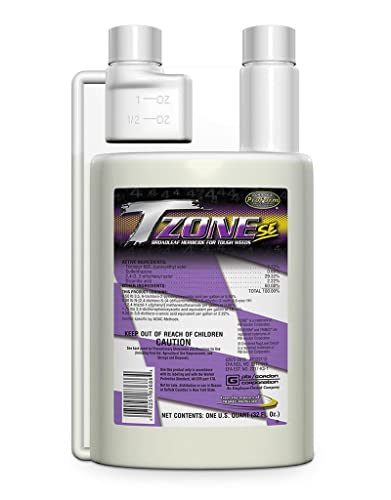
Product overview: ITS Supply T-Zone Turf Herbicide combines multiple active ingredients to target broadleaf weeds in turf settings, including creeping Charlie. It is designed for use across residential, commercial, and golf environments, with a formulation that supports suppression of yellow nutsedge and other common turf weeds. The blend of triclopyr, 2,4-D, dicamba, and sulfentrazone provides a multi-pronged approach to weed control while aiming to be compatible with a variety of turf types.
Key features and usage considerations: The product’s multi-ingredient mix can broaden the weed control spectrum, which is advantageous when creeping Charlie coexists with other broadleaf weeds. When applying, consider the turf species (cool-season grasses like fescues and bluegrasses or warm-season species), appropriate water volume, and potential temperature restrictions to maximize efficacy. A follow-up treatment may be necessary for entrenched patches of ground ivy or if weather conditions reduced initial activity.
Performance notes: Expect visible weed suppression within a few weeks post-application, with ongoing monitoring for regrowth. For stubborn patches, repeat treatments at recommended intervals per label guidelines, and always observe safe buffer zones around ornamental beds and water bodies.
Southern Ag Amine 2,4-D WEED KILLER
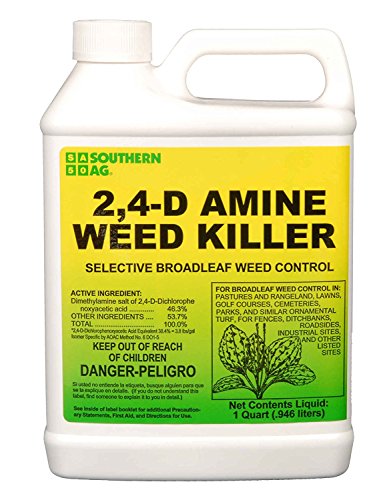
Product overview: Southern Ag Amine 2,4-D WEED KILLER is an economical option designed for broadleaf weed control in turf, pastures, rangeland, ditch banks, and fences. It targets a wide range of broadleaf weeds, including creeping Charlie, with a low-use rate that makes it popular for larger areas and ongoing maintenance programs. The amine formulation aids in uptake by broadleaf weeds and offers flexibility for residential and agricultural settings alike.
Key features and usage considerations: The product is well-suited for lawn professionals and homeowners managing multiple weed species. When applying, adhere to the recommended pint-to-acre rates and ensure proper water volume to ensure thorough coverage. It is important to consider the overall health of the lawn; herbicide timing in cooler or drought-stressed conditions can influence weed control outcomes. For persistent creeping Charlie, consider a follow-up application if re-emergence occurs after the initial treatment window.
Performance notes: Results can include rapid browning or whitening of treated broadleaf weeds as they lose turgor and perish. The product’s versatility makes it a practical choice for those managing weed diversity across varied terrains, including ditch banks and fence lines adjacent to turf areas.
PBI / Gordon TZone SE Broadleaf Herbicide

Product overview: TZone SE Broadleaf Herbicide targets tough broadleaf weeds in lawns, including ground ivy (creeping Charlie), wild violet, and other common lawn pests. The product is designed for both residential and commercial lawn applications, making it a versatile option for property managers and homeowners who need reliable broadleaf control across different turf infrastructures.
Key features and usage considerations: TZone SE is often used where weed pressure includes creeping Charlie and similar broadleaf species. For best results, apply when weeds are actively growing, and follow label directions for mixing, carrier volume, and watering restrictions. It’s important to account for the age and type of turf to avoid potential stress on sensitive grasses. A staggered or follow-up application may be necessary in areas with dense ivy populations or where weather conditions limit initial efficacy.
Performance notes: Users can expect suppression of target broadleaf weeds after the first application with potential residual control depending on weather and weed pressure. Because creeping Charlie can be persistent, integrating cultural practices like proper mowing height, irrigation, and fertilization can enhance long-term outcomes.
Ortho Weed B-Gon for Lawns: Ground Ivy Included
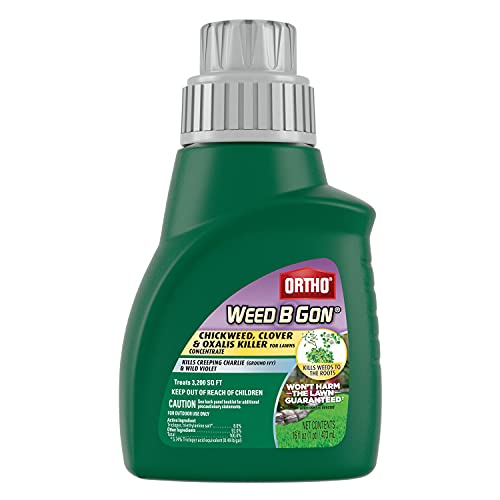
Product overview: Ortho Weed B-Gon Chickweed, Clover & Oxalis Killer for Lawns is formulated to kill tough weeds in a lawn when used as directed, including ground ivy as part of its weed spectrum. The concentrate format allows for flexible dilution to fit various lawn sizes and weed pressures. This product is particularly appealing for homeowners seeking a targeted approach to multiple common lawn weeds, with a quick rainproof window after application.
Key features and usage considerations: The label highlights its effectiveness against several broadleaf weeds, including ground ivy, provided conditions are appropriate (actively growing weeds, reasonable temperatures). It’s rainproof in about 6 hours, which can be advantageous in climates with intermittent showers. Always follow the recommended application rates and avoid applying during extreme heat or drought, which can stress the turf and reduce uptake.
Performance notes: Expect visible weed decline in weeks after treatment, with potential follow-up applications depending on weed pressure and seasonal growth. For creeping Charlie, combining mechanical lawn care with this herbicide can improve outcomes, especially in patchy or heavily infested areas.
Triclopyr 4 EC Compare to Garlon 4 and Remedy

Product overview: This product is a triclopyr-based herbicide designed to control brush and trees while also providing lawn-use applications. The active ingredient aligns with many broadleaf weed control formulations, making it useful against creeping Charlie when applied in appropriate settings. It is often compared to established brands like Garlon 4 and Remedy for its broader weed-control spectrum in turf and non-t turf areas.
Key features and usage considerations: With a mix rate around 3.2 to 6.4 ounces per gallon, this product is commonly used where woody or brushy weeds threaten turf margins or open spaces. For creeping Charlie, early-season applications when weeds are actively growing generally yield better results. Consider adjuvants or penetrants to improve uptake on dense ground ivy colonies and ensure compatibility with your grass species to limit turf stress.
Performance notes: Expect visible suppression of target weeds with proper mixing and application timing. This product is frequently selected for mixed weed pressure areas where ground ivy coexists with brush or woody plants, making it a versatile choice for certain landscapes.
Atticus Torocity Herbicide (8oz) For Weedy Turf

Product overview: Atticus Torocity Herbicide is a mesotrione-based formulation designed for selective weed control in lawns and turf grasses, including pre- and post-emergent activity. The product is positioned as a trusted performer with flexibility for newly seeded areas and established turf, offering broad-spectrum weed control to address ground ivy and other creeping weeds.
Key features and usage considerations: Torocity leverages mesotrione’s mode of action to suppress a broad range of weeds with timing flexibility. When dealing with creeping Charlie, ensure proper timing around seedings or renovations, as well as compatibility with the turf species in use. The product’s dual timing capability can help manage weeds both before and after emergence, depending on the weed lifecycle and application window.
Performance notes: Users typically observe effective weed suppression when applied within labeled windows. For persistent creeping Charlie patches, multiple applications or integration with cultural practices may be necessary to maintain long-term control. Always observe label guidelines for safety and compatibility with your lawn species.
Buying Guide: Key Considerations for Creeping Charlie Control
- Active ingredients and mode of action: Creeping Charlie is often controlled by herbicides containing triclopyr, 2,4-D, and dicamba. Some products also include sulfentrazone or other broadleaf-active ingredients. Using a product with multiple active ingredients can broaden weed spectrum and help with resistance management, but ensure compatibility with your turf species.
- Turf type and mowing height: Cool-season grasses (Kentucky bluegrass, fescues) and warm-season grasses respond differently to herbicides. Check label guidance for the recommended mowing height and pre- or post-emergent timing to maximize turf safety and weed control.
- Application timing: Target actively growing weeds for best results. Early-season treatments can prevent creeping Charlie from hardening and spreading. Some products offer flexibility for pre- and post-emergent use; follow the label for timing windows and re-treatment intervals.
- Water volume and coverage: Achieving even spray coverage is critical for effective control. Use the recommended carrier volume and ensure even application to avoid untreated patches that can regrow.
- Re-entry and safety: Adhere to re-entry intervals and protective equipment recommendations, especially for commercial applications or properties with children and pets.
- Resistance management: Rotate among products with different active ingredients when dealing with persistent creeping Charlie to minimize resistance risk and maintain long-term control.
- Environmental and site considerations: Consider nearby ornamentals, water features, and pollinator-friendly habitats. Avoid applications near streams or ponds unless labeled for such use and ensure buffer zones are respected.
Choosing the right herbicide for creeping Charlie depends on your lawn type, weed pressure, and how you manage your property. The products listed above provide a range of modes of action and application settings to help you tailor a control program that fits your needs. Always read and follow the product label for safety, timing, and rate guidance to achieve the best possible outcome.