Lilies require steady nutrition to produce vibrant blooms and strong stems throughout their growing cycle. The right fertilizer helps bulbs store energy for flowering, supports healthy root development, and sustains plants through different seasons. When choosing a lily fertilizer, look for balanced blends that emphasize phosphorus and potassium for blooms, with adequate nitrogen to support lush foliage. Slow-release formulas can reduce feeding frequency and minimize the risk of nutrient burn, especially for bulb plants. Below are five well-suited options drawn from popular Amazon selections, each offering features that can help lilies thrive in garden beds or containers.
Summary Table of Selected Products
| Product | Brand | Key Benefit | Form |
|---|---|---|---|
| Lilly Miller Bulb & Bloom Food 4-10-10 | Lilly Miller | Slow-release feeding with a 4-10-10 ratio to support blooms | Bulb fertilizer |
| Miracle-Gro Indoor Plant Food, Liquid | Miracle-Gro | Instant nutrient delivery for container lilies and other indoor plants | Liquid |
| 10-10-10 Natural Based Daylily Food | Schreiner’s Iris Gardens | Balanced 10-10-10 formula for daylilies and related varieties | Granular |
| 10-10-10 Plant Fertilizer Slow Release | GARDENWISE | Slow-release, all-purpose fertilizer for outdoor and indoor use | Granular |
| Canna Lily Liquid Fertilizer HighTech NPK | GREEN24 | Fast-acting liquid for canna lilies and similar varieties | Liquid |
Introduction continued
Lilies benefit from steady, balanced feeding that emphasizes bloom development while protecting root systems. Gardeners often prefer slow-release blends to minimize feeding chores, but container growers may opt for liquid formulas for quicker responses. It is wise to pair any lily fertilizer with good cultural practices: well-draining soil, adequate moisture, and periodic soil testing to ensure micronutrient sufficiency. The following selections cover a range of use cases—from bulb-oriented, bloom-focused blends to all-purpose formulas that suit mixed plantings or canna lilies alongside true lilies.
Product reviews
Lilly Miller Bulb & Bloom Food 4-10-10
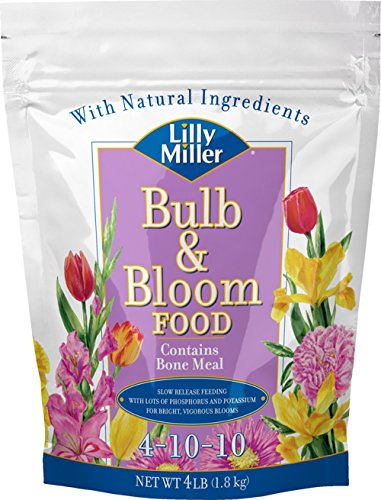
Brand: Lilly Miller
Formulation: 4-10-10 for bulbs and blooms. The elevated phosphorus and potassium support robust flower development and vibrant color. This is a slow-release option designed to feed over time, helping lilies build energy reserves for successive blossoms.
In practical use, apply according to package directions around the time bulbs emerge in spring and again as growth continues. The product is described as slow-release feeding, which can reduce the need for frequent applications. Gardeners note that this formula is manufactured in the United States, aligning with preferences for domestically produced garden products.
How it helps lilies: The phosphorus-rich blend promotes strong root-to-flower translocation, while potassium aids disease resistance and overall plant vigor. For bulbs, consistent supply during early growth supports sturdy stems and maximal bloom potential.
Miracle-Gro Indoor Plant Food, Liquid

Brand: Miracle-Gro
Formulation: Liquid plant food designed for indoor container plants, including flowers and foliage plants. The formula provides a quick nutrient boost that can help lilies in pots respond rapidly to feeding, promoting greener leaves and stronger stems.
This product is labeled for use with a broad range of indoor plants, from snake plants to peace lilies and herbs. It feeds immediately, so you can observe more rapid plant response compared with slow-release blends. For lilies cultivated in containers or mixed plantings, the liquid feed can be applied on a schedule that aligns with watering routines.
Practical application: Dilute per label instructions and apply during regular watering cycles. Because it’s a liquid, it’s easier to tailor feeding frequency to plant growth stage and environmental conditions. It’s particularly popular among indoor gardeners who grow potted lilies or use lilies as accent container specimens.
10-10-10 Natural Based Daylily Food

Brand: Schreiner’s Iris Gardens
Formulation: 10-10-10 balanced granules formulated for daylilies and related flowering plants. While labeled for daylilies, the balanced NPK ratio appeals to many bulbous and flowering perennials, including lilies, that require steady nutrient supply for bloom production.
Users report improvements in bloom quality and plant vigor, with the product offering a robust nitrogen portion that supports leafy growth while phosphorus and potassium encourage flowering and root health. For lilies planted in garden beds, this slow-release granule can be applied per season to sustain bloom cycles with minimal intervention.
Application tips: Scatter around the root zone, avoiding direct contact with stems, and water in well after application. The granular format allows extended feeding over weeks to months, depending on weather and irrigation patterns.
10-10-10 Plant Fertilizer Slow Release

Brand: GARDENWISE
Formulation: All-purpose slow-release granular fertilizer with a balanced 10-10-10 ratio. The packaging highlights extended feeding for up to 8 weeks, reducing the need for frequent applications in outdoor beds or large container plantings.
This product is marketed for a wide range of plants, including vegetables, flowers, shrubs, and fruit trees. For lilies, a slow-release, balanced feed facilitates steady bloom development across the season while supporting root growth and plant resilience. The instructions emphasize twice-per-season applications for gardens and three times per year for trees and shrubs, which can guide long-term feeding plans in mixed plantings that include lilies.
Key considerations: Ensure even coverage and water in thoroughly after application to activate the granules. The slow-release characteristic helps minimize nutrient fluctuations due to rainfall or irrigation variability, a practical feature for outdoor lily beds.
Canna Lily Liquid Fertilizer HighTech NPK

Brand: GREEN24
Formulation: Liquid fertilizer designed for canna lilies and related plants, featuring a modern NPK blend aimed at robust foliage and flowering performance. It supports both root feeding and foliar uptake, with rapid effects that can translate into quicker color and growth responses compared with granular formats.
This product is positioned for high-performance flowering plants and can be particularly useful when lilies are grown alongside canna lilies or other exotic lilies in mixed borders. The liquid delivery method provides flexibility for targeted feeding and faster uptake, making it suitable for active growing periods or recovery after stress.
Usage guidance: Mix with water according to label directions, and apply at the recommended interval. The product’s dual method of administration—root and foliar—offers versatility for growers who want to optimize nutrition in multiple ways.
HiThrive Peace Lily Plant Food

Brand: HiThrive
Formulation: 16 oz bottle designed to make 96 gallons of nutrient-rich plant food, with a formula that emphasizes nitrogen for green growth, phosphorus for roots, and potassium for structural resilience. The product also includes micronutrients such as calcium, magnesium, and zinc to support overall plant health and vibrant foliage.
While marketed for Peace Lilies, the balanced NPK and micronutrient profile can be compatible with a wide range of indoor flowering plants, including lilies grown indoors or in mixed arrangements. This option is especially appealing for growers seeking a concentrated liquid that yields a substantial volume of feed from a single bottle.
Application notes: Follow label directions for dilution rates and application frequency. The nutrient mix supports foliage health and bloom potential, making it suitable for houseplants that include lilies or lily-like ornamentals in interiorscapes.
Buying Guide
– Determine the lily type and growth environment: True lilies (Lilium) in garden beds may benefit most from a fertilizer with a higher phosphorus and potassium ratio (like 4-10-10) to support bloom production, while container lilies may prefer a versatile, balanced feed or liquid formulas for quick uptake.
– Choose the fertilizer form based on usage pattern: Slow-release granular blends reduce maintenance and risk of nutrient burn, whereas liquids provide rapid nutrient delivery that can be advantageous during peak growing periods or stress recovery.
– Consider bloom emphasis vs. foliage health: If blooms are the primary goal, prioritize products with higher phosphorus (P) and potassium (K). If you want sturdy leaves to support flowering, include nitrogen in the mix to sustain vigorous foliar growth.
– Evaluate application frequency and coverage: For outdoor lily beds, granular fertilizers with 8 weeks of longevity can minimize applications. For containers, liquids or more frequent slow-release options may be appropriate to accommodate limited root volume.
– Pay attention to soil and climate conditions: In sandy soils or hot climates, more frequent feeding or lighter, more frequent applications may be needed. In cooler climates with slower growth, adjust feeding to avoid overstimulation.
– Read label directions for safe use: Follow product-specific dilution rates, avoid direct contact with stems, and water in thoroughly after application to prevent fertilizer burn.
– Account for compatibility with other plants: If lilies share beds with other flowering perennials, choose a balanced fertilizer that supports diverse plant needs without causing nitrogen burn or excessive salt buildup.
– Check for evidence of domestically produced products: Some gardeners prefer fertilizers produced in the United States for perceived quality and supply chain considerations.
Notes on usage and safety
– For lilies growing in containers, monitor salt buildup and water quality; regular leaching can help prevent nutrient buildup in the rooting medium.
– When mixing multiple products, avoid exceeding recommended rates, especially with high-nutrient liquids that can accumulate quickly in confined soils.
– If you notice scorching, leaf curling, or slowed growth, reassess the feeding schedule and consider flushing the soil to remove excess fertilizer salts.
Final thoughts
Selecting the best fertilizer for lilies depends on the specific growing scenario—bulb beds, mixed borders, or container plantings. The five products reviewed here offer a spectrum of options from bulb-focused slow-release blends to rapid-acting liquids. For many lily enthusiasts, a balanced approach using a bloom-focused formula early in the season combined with a light, steady maintenance feed can yield vibrant flowers and strong plants throughout the growing cycle. Always align fertilizer choices with your local soil conditions, climate, and the particular lily varieties you cultivate to achieve the best results.