The right herbicide for woody plants targets brush, saplings, and stubborn trees without harming nearby desirable vegetation. This guide reviews five top products commonly used by homeowners, land managers, and professionals to control woody species, brush, and invasive trees. Each product is evaluated for effectiveness, application timing, and suitability for different sites such as fence lines, roadsides, pastures, and rights-of-way. The goal is to provide objective, practical information to help you choose an option that fits your landscape needs and regulatory considerations.
| Product | Brand | Key Benefit | Typical Use | Notes |
|---|---|---|---|---|
| Tordon RTU Specialty Herbicide | Dow AgroSciences | Kills woody plants and prevents resprouts | Non-cropland, fence lines, rights-of-way | Note: Not for sale in CA, AK, DC, FL, RI, PR |
| Pro Brush & Poison Ivy Killer | Liquid Harvest | Broad control of woody plants and poison ivy | Brushy areas, post-emergent control | Contains triclopyr and 2,4-D; flexible timing |
| PastureGard HL | Pasturegard | Selective woody plant and brush control | Pastures and rangeland | Thorough translocation; effective on tough species |
| Liquid Harvest Concentrated Brush Killer (32 oz) | Liquid Harvest | Controls 70+ types of brush and woody plants | Vines, brambles, and woody vegetation; stump treatment | Concentrated formula; spray when actively growing |
| Honcho K6 Post-Emergent Glyphosate | Generic | Powerful non-selective post-emergent weed control | Woody and brush weeds | Concentrated glyphosate; broad-spectrum efficacy |
Summary notes: The products above cover a range of active ingredients and application scenarios. For areas where you need to suppress multiple woody species quickly, glyphosate-based products like Honcho K6 offer broad-spectrum control. If you require targeted translocation to prevent re-sprouts in established woody plants, Tordon RTU and PastureGard HL provide strong systemic activity. For flexible timing and combined active ingredients, Pro Brush & Poison Ivy Killer delivers a mix of triclopyr and 2,4-D suitable for brush and ivy species. Always consult product labels for site restrictions, safe handling, and state-by-state approvals before purchasing or applying any herbicide.
Product Review: Tordon RTU Specialty Herbicide

Tordon RTU Specialty Herbicide 1 Qt Kills Woody Plants And Trees Not For: Ca;ny”
Key features: This RTU formulation is designed to translocate into a tree’s root system, stopping resprouts and providing long-lasting suppression of more than 20 woody species. Notable application areas include fence lines, roadsides, and other non-cropland spaces where woody plant control is required. The product is not intended for sale in certain states, so verify local regulatory approvals before purchase. Users should apply to cut surfaces for best translocation results and follow label directions for cutoff timing and re-treatment intervals.
Product Review: Pro Brush & Poison Ivy Killer

Pro Brush & Poison Ivy Killer – 32oz
Key features: This concentrated post-emergent herbicide uses a dual active ingredient approach with triclopyr and 2,4-D to combat most woody plants, brush, and broadleaf weeds. Its flexible timing allows in-season or dormant-season applications, making it suitable for varied climates. The formulation is marketed as effective against poison ivy and other tough vegetation, providing a practical option for brush removal along fence lines, edges, and rights-of-way. Follow label instructions for mixing and protective equipment recommendations.
Product Review: PastureGard HL
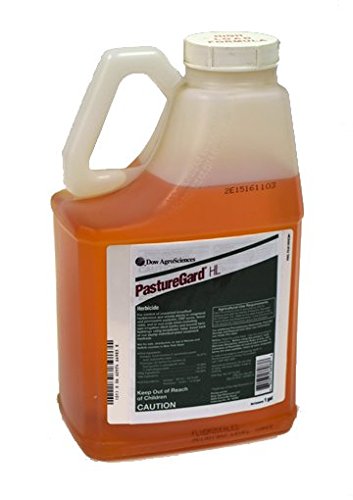
Dow AgroScience PastureGard HL Herbicide
Key features: This product targets woody plants and brush with strong translocation properties, helping to control grass-like and broadleaf woody species in pastures and rangeland. It is effective on tough brush such as blackberry, rose, privet, wax myrtle, and osage orange in registered states. For best results, apply to actively growing plants and follow rate guidance on the label to prevent regrowth and minimize non-target effects.
Product Review: Liquid Harvest Concentrated Brush Killer (32 oz)

Liquid Harvest Concentrated Brush Killer (32 oz)
Key features: This product is designed to control over 70 types of brush, vines, and woody plants, with stump-killing capability. It’s suitable for use in yards, fences, and neglected areas where woody regrowth is a concern. Apply when plants are fully bloomed and actively growing for best results. For stump treatment, apply undiluted to freshly cut stumps and consider spraying undiluted or 4-8 oz per gallon for other vegetation as needed.
Product Review: Honcho K6 Post-Emergent Glyphosate

Honcho K6 Post-Emergent Glyphosate
Key features: This glyphosate-based formulation provides powerful post-emergent control of woody and brush weeds. It is a concentrated, non-selective systemic herbicide designed to kill actively growing stems and foliage. It’s widely used for clearing sites and controlling unwanted trees and brush where complete vegetation removal is desired. Always follow label directions for application rates and safety precautions, especially near desirable vegetation and water sources.
Buying Guide: Key Purchase Considerations for Woody Plant Herbicides
Choosing the right herbicide for woody plants involves understanding site conditions, target species, and environmental considerations. The following factors help compare products and select a best-fit option:
- Target species and selectivity: Some products are selective for woody plants and brush, while others are non-selective and will kill most vegetation they contact. For pastures and landscapes with desirable grasses, selectivity is crucial to avoid collateral damage.
- Translocation and mode of action: Systemic formulations that translocate into root systems reduce resprouting and provide longer-term control. Herbicides like Tordon RTU and PastureGard HL emphasize translocation for durable suppression.
- Timing and seasonality: Post-emergent products work best on actively growing plants, while certain formulations allow dormant-season applications for persistent control in cooler climates. Flexibility can be important for scheduling and weather windows.
- Application method and equipment: Ready-to-use versus concentrate, spray volumes, and stump-treatment techniques vary. Consider whether you have the equipment to mix and apply concentrates safely or prefer ready-to-use products.
- Label restrictions and regulatory considerations: Some products have state-specific approvals or restrictions. Always verify local regulations and product labeling before purchase and use, especially in sensitive areas or near water sources.
- Environmental impact and non-target risk: Non-target injury risks to nearby trees, ornamentals, or wildlife should be evaluated. Use buffers and spot treatments when possible to minimize unintended damage.
- Safety and handling: Personal protective equipment (PPE) requirements, storage needs, and disposal instructions are essential for safe use. Follow all label directions and local safety guidelines.
- Cost and coverage: Concentrates may offer lower per-acre costs but require mixing and equipment. RTU formulations provide convenience but can be pricier per-acre. Estimate coverage per bottle and per gallon to compare value.
In practice, the best selection depends on your site goals: quick non-selective clearing versus targeted suppression of stubborn brush, and whether you need long-term prevention of resprouts. Always begin with a precise identification of the woody species present and a plan for follow-up management to prevent re-infestation. If you operate near sensitive vegetation or water bodies, prioritize products with explicit use restrictions, proper buffers, and integrated weed management strategies.
Safety tip: Always read and follow the product label, wear appropriate PPE, and store products securely away from children and pets. When applying in windy conditions or near weather-sensitive areas, adjust application timing to minimize drift and environmental impact.