Leafhoppers can spread diseases and damage plants through feeding, leaving stippling, curling leaves, and honeydew. Choosing an effective insecticide involves considering coverage, mode of action, plant safety, and organic compatibility. Below are five well-regarded products that address leafhopper pressure while balancing broad-spectrum control and safety for beneficial insects. The table summarizes the essentials to compare at a glance.
| Product | Brand | Type | Organic Friendly | Best For |
|---|---|---|---|---|
| Bonide Captain Jack’s Deadbug Brew | Bonide | Insecticidal Soap/Contact | Yes | Leafhoppers, moths, beetles |
| Garden Safe 32 oz Insecticidal Soap | Garden Safe | Insecticidal Soap/Contact | Yes | Aphids, whiteflies, leafhoppers |
| Bonide Pyrethrin Garden Insect Spray Concentrate | Bonide | Botanical/Pyrethrin | Yes (biodegradable) | Aphids, leafhoppers, beetles |
| Safer 5118-6 Insect Killing Soap | Safer | Insecticidal Soap | Yes | Soft-bodied pests including leafhoppers |
| Marrone Bio Innovations CG Bioinsecticide | Marrone Bio Innovations | Bioinsecticide | Yes | Leafhoppers, mites, thrips |
Note: Always follow label directions for use, compatible plant species, and safety precautions. When dealing with leafhoppers, a rotation of products with different modes of action helps prevent resistance and protects pollinators and beneficial insects when used as directed.
Bonide Captain Jack’s Deadbug Brew 16 oz Concentrate

Product overview: Captain Jack’s Deadbug Brew is a versatile concentrate designed to control a broad range of garden insects. It targets caterpillars, beetles, moths, and other pests while remaining relatively gentle on beneficial insects when used as directed. This makes it a practical option for gardens facing leafhopper pressure. The product is intended for outdoor use and compatible with many fruiting vegetables, leafy greens, and ornamentals. The active action is contact-based, reducing pest populations on contact and during subsequent feeding.
Leafhopper relevance: Leafhoppers are among the pests that can be affected by this product, especially when applied thoroughly to the undersides of leaves and plant surfaces. It’s important to apply when pest activity is observed and to reapply as directed by the label. Users should avoid spraying beneficial insects during times of high activity and adhere to the prescribed intervals to maintain balance in the garden ecosystem.
Application notes: Follow the label for application rates, safety gear, and plant compatibility. For best results, spray thoroughly to reach leaf undersides where leafhoppers and nymphs typically reside. Avoid applying during extreme heat to reduce plant stress and ensure optimal absorption. This product can be used on a wide range of crops including fruiting vegetables and ornamentals, making it a flexible option for integrated pest management.
Garden Safe Ready-To-Use Insecticidal Soap

Product overview: Garden Safe 32 oz Insecticidal Soap is a ready-to-use spray designed for quick, direct contact with pests. It’s suitable for indoor and outdoor use on a wide range of plants, including vegetables and ornamentals. The formula helps manage soft-bodied insects like aphids, whiteflies, and leafhoppers by disrupting their cell membranes upon contact. Its convenience and broad utility make it a common choice for immediate pest control in busy gardens.
Leafhopper relevance: While leafhoppers can be challenging to manage solely with contact soaps, integrating this product into a broader IPM plan helps suppress leafhopper populations, especially when applied to infested foliage. Regular treatments during peak activity periods can help reduce populations and limit plant damage.
Application notes: This product is ready to use with no mixing. Thorough coverage, including the undersides of leaves, is essential for effectiveness. Reapply as specified on the label, ensuring the spray remains on a wet film long enough to impact pests. Consider avoiding application during flowering to protect pollinators when possible.
Bonide Pyrethrin Garden Insect Spray Concentrate

Product overview: This concentrate uses pyrethrin, a botanical insecticide derived from chrysanthemum flowers, known for rapid knockdown of many garden pests. It’s effective against leafhoppers, aphids, beetles, and other common pests. The formulation is widely used on vegetables, fruit trees, and ornamentals, with a focus on quick action and biodegradability. It is suitable for outdoor use and supports organic gardening practices where allowed by the label.
Leafhopper relevance: Pyrethrin-based sprays provide fast suppression of leafhopper populations when sprayed directly on infested foliage. For ongoing control, repeat applications as directed and rotate with products with different modes of action to minimize resistance risk and protect pollinators when used according to label guidelines.
Application notes: Follow mixing instructions for the concentrate and apply during cooler parts of the day to reduce plant stress. Avoid spraying at times when beneficial insects are active. Always observe post-application intervals before any harvest or re-entry into treated areas as noted on the label.
Safer 5118-6 Insect Killing Soap
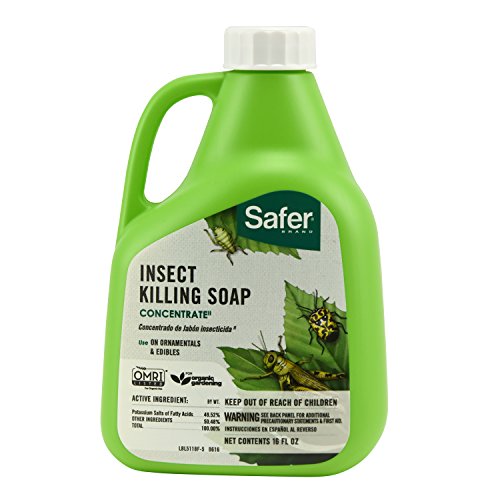
Product overview: Safer 5118-6 Insect Killing Soap is an OMRI-listed option for organic gardening that controls soft-bodied pests through contact activity. It kills a variety of pests, including aphids, mealybugs, whiteflies, and leafhoppers on contact by disrupting their protective outer layers. It is designed for use on a broad range of plants, from flowers to vegetables and houseplants, making it versatile for mixed-use spaces.
Leafhopper relevance: Leafhoppers can be temporarily suppressed with insecticidal soaps like this product when applications thoroughly cover infested plant surfaces. Regular monitoring and reapplication within label guidelines help manage recurring populations without overusing sprays that could affect beneficial insects.
Application notes: Ensure complete coverage, including leaf undersides and new growth where leafhoppers often feed. Do not apply during times of plant stress or when temperatures are extreme. Check for plant compatibility as sensitive species may show temporary phytotoxicity with any soap-based product.
Marrone Bio CG Bioinsecticide for Leafhoppers
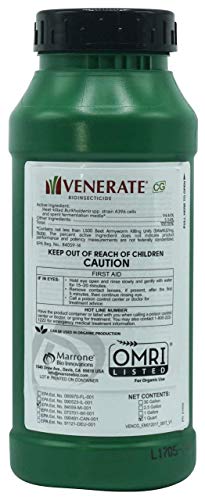
Product overview: Marrone Bio Innovations CG Bioinsecticide is a microbial-based product designed to protect crops from mites, thrips, leafhoppers, and other pests. Its mode of action relies on naturally occurring beneficial microbes that target pests through ingestion or contact. This product is compatible with many crops including grapes, strawberries, potatoes, and citrus, making it a flexible tool in integrated pest management programs.
Leafhopper relevance: For leafhopper management, CG Bioinsecticide provides a targeted, less chemically intensive option. It can be part of a rotation strategy to minimize resistance and can be combined with other IPM tactics such as cultural controls and monitoring to improve long-term suppression of leafhopper populations.
Application notes: Read the label for crop-specific instructions and dilution rates. Apply when pests are present and repeat as directed. This product is often used in combinations with other control measures to optimize efficacy and safety for non-target organisms.
Buying Guide: Key Considerations For Leafhopper Control
Leafhopper management requires balancing immediate suppression with long-term garden health. The following considerations help guide product choices and application strategies.
- Mode of action diversity: Rotate products with different mechanisms to reduce resistance and protect pollinators. For example, pair a contact soap with a microbial bioinsecticide or a botanical option.
- Plant safety: Check crop compatibility and product labels for edible crops, flowering plants, and ornamentals. Some soaps may cause temporary phytotoxicity if applied under high heat or drought stress.
- Contact vs systemic: Contact soaps provide immediate knockdown with limited residual effect, while some bioinsecticides offer longer-term suppression. A mix can cover both immediate and ongoing control.
- Organic suitability: For organic gardens, prioritize OMRI-listed products and those labeled for organic use. Always verify the product’s status for your specific growing scenario.
- Application timing: Apply during cooler parts of the day to protect plants and maximize contact with leafhoppers. Reapply as directed by the label, especially after rain or heavy irrigation.
- Beneficial insects: Avoid broad-spectrum sprays during blooming or when beneficials are active. Select products with minimal impact on predatory insects, spiders, and pollinators when possible.
- Monitoring and thresholds: Regular scouting for leafhopper activity helps determine when to initiate treatment and when to rotate products or escalate IPM measures.
- Compatibility with other controls: Cultural practices such as row spacing, irrigation timing, and mulching can reduce pest pressure and improve spray effectiveness when combined with products above.
In practice, an effective leafhopper management plan often combines several of the products listed above with cultural controls. Start with a thorough scouting routine, select a mix of modes of action, and schedule applications to align with pest life cycles and weather conditions. By using an integrated approach, you can reduce leafhopper populations while preserving beneficial organisms and plant health.