Growing healthy fruit trees relies on steady, targeted nutrition at the roots. Fertilizer spikes offer a simple, low-muss solution to feed trees over months without frequent applications. This guide reviews five widely available options for home gardeners, focusing on formulation, application recommendations, and what to expect for fruit yield and tree vigor. Each product below is designed to deliver nutrients directly to the root zone, helping trees produce lush foliage and abundant fruit with minimal effort.
| Product | Brand | NPK Ratio |
|---|---|---|
| Miracle-Gro Fruit & Citrus Plant Food Spikes | Miracle-Gro | Unknown (promotes fruit and foliage) |
| Jobe’s Garden Fertilizer Spikes (9 Count) | Jobe’s Organics | 8-11-11 |
| SimplyGro Fertilizer Spikes for Citrus & Fruit Trees | SimplyGro | 8-8-8 |
| Miracle-Gro Fertilizer Spikes for Fruit and Citrus Trees, 12-Pack | Miracle-Gro | Not specified |
| Jobe’s Organics Fruit & Citrus Tree Fertilizer Spikes (3-5-5) | Jobe’s | 3-5-5 |
When selecting fertilizer spikes, consider the tree type (fruit, citrus, or nut), container vs. ground plantings, application frequency, and organic versus synthetic inputs. The five products below provide a mix of time-release formulations, organic options, and varying NPK ratios to suit different growing situations. Always follow label directions for placement depth and seasonal timing to maximize results.
Miracle-Gro Fruit & Citrus Plant Food Spikes
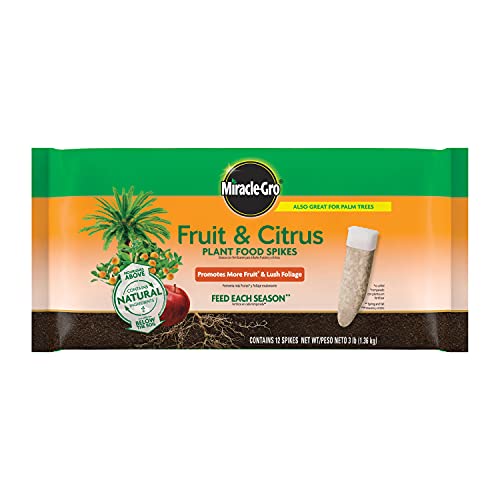
The Miracle-Gro brand emphasizes a simple, seasonally timed feeding strategy. These spikes are designed to promote more fruit and lush foliage compared with unfed trees, according to product messaging. The formulation includes natural ingredients, and the recommended use is to feed once per season, typically in Spring and Fall. Gardeners report convenience in preserving soil moisture and providing a steady nutrient supply from the root zone, which can help reduce nutrient loss from surface watering. The spikes are suited for established fruit and citrus trees in ground beds or larger containers.
In practice, you insert the spikes around the drip line of the tree, where roots are actively absorbing nutrients. The time-release aspect aims to deliver nutrients gradually over several weeks. For best results, space feeds to align with growth spurts and fruit set. Keep in mind that Miracle-Gro products often include blends designed for general use; if you have a containerized citrus or fruit tree with specific needs, supplementing with a targeted product may be beneficial. The packaging suggests seasonal feeding to support both vegetative growth and fruit development.
Jobe’s Garden Fertilizer Spikes, 9 Count

Jobe’s Garden Fertilizer Spikes deliver a user-friendly, slow-release formulation designed to minimize runoff and odors. The product line emphasizes waste reduction and ease of use, with spikes pre-measured for straightforward placement. The 9-count package uses an 8-11-11 NPK ratio, providing balanced nutrients for fruiting and foliar growth. This makes it suitable for a variety of fruit and citrus plants, including those grown in home landscapes and larger containers. The spikes are intended for biannual application—typically early spring and late fall—or as needed during the growing season to support high yield and vibrant foliage.
Gardeners appreciate the predictable release profile, which helps avoid nutrient surges that can stress trees. Placement around the drip line ensures roots receive nutrients with reduced surface exposure. The product’s OMRI-usability status is not explicit, so organic gardeners should verify certification if organic cultivation is a priority. Overall, Jobe’s 9-count spikes offer a practical option for steady, controlled feeding with minimal effort.
SimplyGro Fertilizer Spikes for Citrus & Fruit Trees

SimplyGro’s spikes are formulated specifically for citrus and fruit trees and shrubs, featuring an 8-8-8 NPK ratio designed to meet the nutrient balance these species typically require. The product is marketed as a Set It & Forget It solution that nourishes below ground for up to 3 months per spike, with recommended applications twice per year—spring and fall. This approach aligns with the trees’ growth cycles, supporting leaf production in spring and energy storage for winter in fall.
Key advantages include pre-measured doses that help prevent over-fertilization and reduce nutrient leakage into waterways. The root-focused delivery can improve nutrient use efficiency, particularly in soils with poor structure or drainage. SimplyGro is a strong option for gardeners seeking a predictable, low-maintenance feeding regime that emphasizes root uptake and reduced environmental impact.
Miracle-Gro Fertilizer Spikes for Fruit and Citrus Trees, 12-Pack
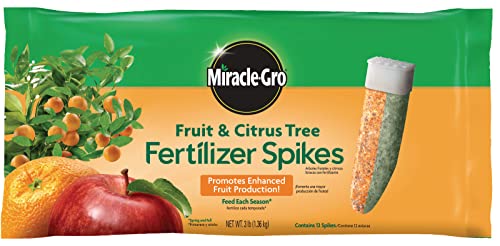
This 12-pack from Miracle-Gro targets fruit and citrus trees with a formula designed to promote lush foliage and enhanced fruit production. The product recommends applying a feed in spring and fall, echoing the seasonal rhythm that many fruit trees follow in temperate climates. The formulation is described as meeting the special needs of fruit and citrus trees, suggesting an emphasis on micronutrients and a balanced macro-nutrient profile that supports both vegetative growth and fruit set.
For containerized trees, the spikes offer a convenient way to deliver consistent nutrition around the root zone, reducing the risk of surface runoff. Because this option is a widely sold Miracle-Gro product, it benefits from broad availability and accessible customer support. Gardeners should monitor soil moisture and ensure spikes are placed at appropriate depths to maximize uptake and minimize root disturbance during installation.
Jobe’s Organics Fruit & Citrus Tree Fertilizer Spikes, 3-5-5
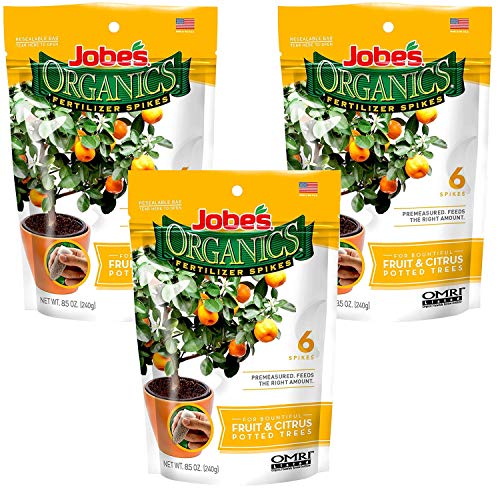
Jobe’s Organics offers an organic option with a 3-5-5 NPK profile and pre-measured time-release spikes. This product is OMRI-listed for organic gardening and emphasizes the absence of synthetic chemicals, aligning with USDA organic standards. The spikes support root nourishment for both in-ground and container trees, including fruit and citrus varieties. A notable feature is the inclusion of Jobe’s Biozome, a proprietary microorganism consortium intended to accelerate material breakdown and nutrient availability in the root zone.
With organic spikes, gardeners may expect slower initial uptake compared with synthetic formulations, but the long-term soil health benefits can be appealing for those prioritizing sustainable practices. The 3-count to 6-count package variations cater to different planting scales, and placement guidance still centers on drip-line zones for root absorption. For organic gardens, this option provides a trusted path to steady, natural nutrition that supports fruit yield and tree vigor while adhering to organic standards.
Buying Guide
Choosing the right fertilizer spikes involves considering tree type, pot vs. in-ground planting, soil health, and your preferred balance of speed vs. sustainability. Here are the key factors to weigh before buying:
- NPK balance and nutrient needs: Fruit trees often benefit from balanced or slightly higher phosphorus and potassium (e.g., 8-11-11 or 3-5-5), which support fruit development and root health. Consider a formulation that matches your tree’s growth stage and soil test results.
- Organic vs. synthetic: Organic spikes (OMRI-listed) support soil biological activity and longer-term soil structure but may release nutrients more slowly. Synthetic blends often provide faster uptake and consistent results but may require closer adherence to application timing to avoid burn or runoff.
- Application frequency: Some spikes are designed to feed for up to 3 months; others suggest twice-yearly feeding. Align these schedules with your tree’s growth cycles and climate, particularly spring flush and fall energy storage periods.
- Root-zone placement: Insert spikes around the drip line (beyond the trunk) to target actively growing roots. Proper placement reduces nutrient loss and ensures efficient uptake.
- Container vs. in-ground: Container trees often need more frequent feeding due to limited soil volume. Check spike depth recommendations and ensure the spikes fit your pot size and root ball.
- Environmental impact: Several brands emphasize reduced leakage and runoff. If you’re concerned about waterways or groundwater, choose pre-measured spikes with controlled release and consider organic options.
- Certification and labeling: If organic gardening is important, verify OMRI listing and USDA certifications. For general home use, ensure the product is appropriate for fruit and citrus trees and follow label warnings.
Practical tips for best results include watering after application to help dissolve nutrients, avoiding over-fertilization by sticking to the recommended number of spikes per plant, and monitoring tree response across the growing season. Keep notes on growth, leaf color, and fruit set to assess whether you need to adjust the spike count in subsequent seasons. When used correctly, fertilizer spikes can simplify maintenance while supporting consistent fruit production and foliage health.