Buttercups can be persistent, challenging broadleaf weeds in turf, lawns, pastures, and rangeland. This guide highlights select herbicides and supportive additives designed to improve efficacy against buttercups while considering turf safety and environmental use. Each product section includes a direct link to Amazon for quick access and a concise overview of its key features and applications. Use this information to compare modes of action, coverage, and suitability for your specific site.
| Product | Best Use |
|---|---|
| Dow Milestone Specialty Herbicide with Aminopyralid | Broadleaf weed control in rangeland, pastures, and non-cropland areas |
| Nufarm Change Up, Premium Selective Herbicide | Powerful control of many broadleaf weeds in lawns and turf |
| Grazon Next HL | Rangeland and permanent grass areas; broadleaf and woody weed control |
| Butyrac 200 | Broadleaf weed control in various crops; post-emergent use |
| Southern Ag Amine 2,4-D WEED KILLER | Economical broadleaf weed control in turf, pastures, and ditchbanks |
Dow Milestone Specialty Herbicide with Aminopyralid

Dow Milestone is a broadleaf herbicide featuring aminopyralid. It targets a wide range of weeds in rangeland, permanent pastures, CRP acres, non-cropland areas, and adjacent natural areas. The product label provides the complete list of pests and application sites. Shelf life is typically 3 to 5 years when stored properly in a cool, dry place. Use considerations include rotation restrictions and compatibility with local regulations to ensure effective buttercup suppression without harming desired vegetation.
Nufarm Change Up, Premium Selective Herbicide

Change Up is a premium selective herbicide designed to provide strong control of more than 200 broadleaf weeds, including common buttercup threats. It is labeled for a broad range of cool- and warm-season turfgrasses, making it adaptable for residential lawns, commercial sites, and similar turf areas. The product is often used with compatible spray carriers and may require adjuvants to enhance coverage and absorption. When assessing buttercup control, consider site type, grass tolerance, and water source implications for effective results.
Grazon Next HL 2 Gallon
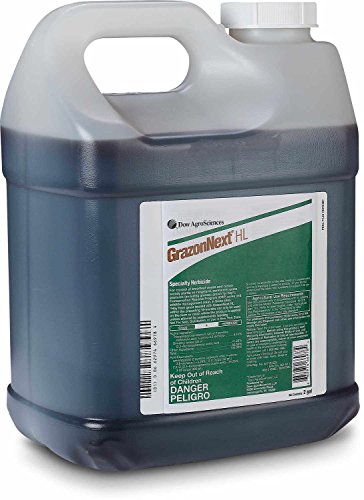
Grazon Next HL is a high-load, broadleaf herbicide designed for rangeland, permanent grass pastures, and CRP lands. It provides effective control of buttercups and other broadleaf species with a label that covers multiple states and land-use contexts. The product formulation allows mixing with appropriate carriers and surfactants to improve coverage and penetration. Always follow label directions for grazing restrictions, re-entry intervals, and application timing to minimize non-target impacts.
Butyrac 200, One Gallon

Butyrac 200 focuses on broadleaf weed control, primarily in crops where 2,4-DB is the active ingredient. It is applied post-emergence to target buttercups and other broadleaf weeds, depending on crop and label restrictions. Consider crop compatibility, timing of application relative to weed development, and potential environmental considerations when planning treatments. Always adhere to label rates and local guidelines for safe and effective use.
Southern Ag Amine 2,4-D WEED KILLER
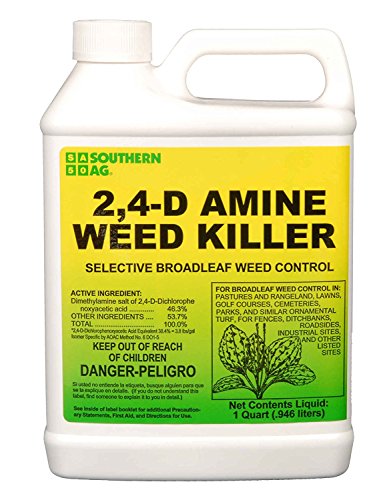
Southern Ag Amine 2,4-D Weed Killer is an economical option for broadleaf weed control, including buttercups, in turf, pastures, rangeland, ditch banks, and fences. Its amine formulation is designed for effective foliar uptake while offering flexibility in spray programs. When using 2,4-D products, monitor weather conditions and potential runoff, and consider tank-mix options with compatible adjuvants to improve spread and plant surface coverage.
Buying Guide: Key Purchase Considerations
Target weeds and site: Buttercups are broadleaf, so select herbicides with activity against broadleaf species. Consider whether you’re treating lawns, pastures, or non-crop land, as label directions differ by site.
Mode of action and resistance management: Rotate active ingredients with different modes of action to reduce resistance risk. Check label for recommended use intervals and rotate selectivity across turfgrass species or forage crops.
Application timing and coverage: Post-emergent treatments require actively growing weeds for best uptake. Use appropriate adjuvants or spreaders to improve foliar wetting and penetration, especially on waxy or hairy leaf tissue.
Environmental and grazing considerations: Some products have grazing restrictions, pre-harvest intervals, or buffer zones. Review storage, handling, and disposal guidance to protect nearby water sources and non-target plants.
Tank mixes and compatibility: Confirm compatibility with adjuvants like nonionic spreaders or crop oils when combining products. Follow label directions to avoid phytotoxicity or reduced efficacy.
Safety and label adherence: Always read the product label before mixing or applying. Adhere to recommended rates, re-entry intervals, and protective equipment requirements to ensure safe use for people and the environment.