Finding the right grass that thrives in dense shade can transform a dim, under-tree lawn into a lush, healthy carpet. This guide highlights five highly rated dense shade seed blends designed to establish quickly, resist common shade-related challenges, and produce a durable, green lawn with limited sunlight. Each product below is evaluated on shade tolerance, coverage, germination, and suitability for overseeding or starting new lawns. The selections prioritize blends that tolerate low light, drought resilience, and soil adaptability, helping you achieve a vibrant, low-maintenance lawn in shaded areas.
| Product | Shade Tolerance | Size / Coverage | Key Benefit |
|---|---|---|---|
| Pennington Smart Seed Dense Shade Grass Mix | Excellent in shade | 7 lb bag | Balanced mix of Tall Fescue and Fine Fescue for dense shade |
| Jonathan Green 40600 Dense Shade Grass Seed | Shade-capable | 3 lb bag | Efficient germination and coverage for shaded patches |
| Scotts Turf Builder Grass Seed Dense Shade Mix | High shade resilience | 5.6 lb | Root-Building Nutrition for a stronger lawn in low light |
| Barenbrug Turf Sense Dense Shade Grass Seed | Dense shade adaptable | 25 lb bag | Thick, fine-textured turf with wear tolerance |
| GreenView Pure Grass Seed Dense Shade Mix | Shade thriving | 3 lb | Weed-free seed blend with quick germination |
Pennington Smart Seed Dense Shade Grass Mix
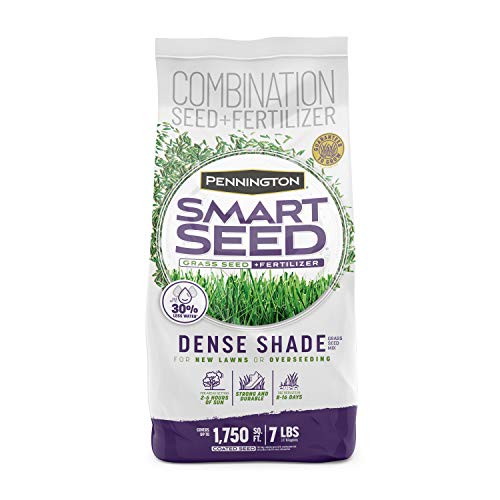
Brand: Pennington
Features: The perfect mix of Tall Fescue and Fine Fescue to thrive in shady conditions, Grow thick, green grass in areas of your lawn that don’t receive much sunlight, Contains just the right amount of fertilizer to help your lawn succeed.
The Pennington Dense Shade mix is designed to establish a robust, shade-tolerant lawn by combining tall fescue with fine fescue. This blend aims to deliver dense coverage under limited sunlight while reducing weed establishment through a built‑in fertilizer. It suits areas beneath trees or along north-facing sections where sunlight is sparse. When seeding, follow recommended soil prep and watering schedules to promote uniform germination across irregular shade patches.
Jonathan Green 40600 Dense Shade Grass Seed

Brand: Jonathan Green
Features: 3 pound bag, 1,800 square foot coverage, 100% superior grass seed
This dense shade seed blend from Jonathan Green emphasizes rapid germination and broad coverage, making it suitable for large shaded patches as well as smaller problem spots. The 3‑pound bag provides a practical starting amount for overseeding or establishing in moderate shade zones. For best results, prepare a weed-free seedbed, maintain consistent moisture during germination, and monitor for patchy areas that may require light overseeding to achieve even density.
Scotts Turf Builder Dense Shade Seed Mix

Brand: Scotts
Features: Root-Building Nutrition for a stronger lawn in low light; designed for as little as 3 hours of sunlight; includes soil improver
The Scotts Turf Builder Dense Shade Mix targets both shade tolerance and improved root development. The product is marketed for use in spring or fall—ideal timing for establishing a new lawn or overseeding thinning turf. While it performs well in dense shade, it’s helpful to ensure adequate soil preparation and moisture management, particularly in drought-prone zones. The included nutrient package supports early root establishment and helps resist typical shade-related stressors.
Jonathan Green & Sons Dense Shade Grass Seed Mixture

Brand: PGONA
Features: 7 lb, dense shade grass seed mixture, grows in shady areas where other mixtures have failed, manufactured in China
This 7‑pound bag from PGONA focuses on dense shade adaptation, targeting patches where shade-tolerant varieties are typically required. The larger bag size makes it suitable for more extensive overseeding projects or starting new shade‑drenched lawns. As with other dense shade blends, soil preparation and consistent moisture are key to even germination and uniform density across the seeded area.
Jonathan Green Black Beauty Dense Shade Seed

Brand: Jonathan Green
Features: Shade-tolerant seed mix, dark green appearance, germination 14–21 days, beneficial endophytes
Jonathan Green’s Black Beauty Dense Shade seed emphasizes a dark green, visually appealing lawn with relatively quick germination. The inclusion of beneficial endophytes can help improve pest resistance and establish a resilient stand in shaded zones. For best results, ensure a weed-free seedbed, avoid heavy traffic on newly seeded areas, and maintain uniform moisture during the critical germination window.
Barenbrug Turf Sense Dense Shade Grass Seed

Brand: Barenbrug
Features: Designed for shady areas, grows in sunlight and dense shade, thick and fine-textured; durable for wear
Barenbrug’s Turf Sense Dense Shade mix is positioned as a versatile seed blend that tolerates both shade and limited sun. The emphasis on a dense, fine texture makes it suitable for lawns that require a refined appearance while enduring foot traffic. For best outcomes, partner seeding with proper soil preparation and consistent post‑seed irrigation to sustain germination through the early growth stage.
GreenView Pure Grass Seed Dense Shade Mix

Brand: Greenview
Features: Thrives in shade, weed-free assurance (99.9%), quick germination within 10–14 days
The GreenView Pure Grass Seed Dense Shade Mix emphasizes weed-free seed quality and a fast germination timeline. This makes it a practical option for homeowners who want prompt coverage in shade-prone zones. To maximize success, pre-warm the soil surface, remove existing weeds, and maintain even moisture during germination and early growth.
Buying Guide: Key Purchase Considerations
Choosing the right dense shade grass seed involves balancing shade tolerance, soil type, climate, and maintenance expectations. The following considerations help compare options across the five products above:
- Shade tolerance level: Dense shade blends typically combine fine fescues, creeping red fescue, and tall fescue. Review the listed shade suitability and consider whether your lawn experiences constant shade or intermittent sun during the day.
- Coverage and bag size: Larger bags cover more area, reducing cost per square foot, but require more space and preparation. Estimate your lawn size and plan for overseeding or patch repairs with appropriate mix types.
- Germination time: Faster germination speeds help establish a uniform lawn sooner, especially in seasons with unpredictable weather. Look for seeds with germination windows around 10–21 days where possible.
- Soil preparation: Most shade seeds benefit from weed-free seedbeds, proper soil pH, and loose soil to promote root establishment. Aeration and dethatching may improve seed-to-soil contact.
- Water and maintenance needs: Shade-tolerant grasses still require consistent moisture during germination and establishment. Consider your irrigation setup and local rainfall patterns to determine watering frequency and duration.
- Disease and wear tolerance: Some blends emphasize wear tolerance for high-traffic shaded areas or reduced disease risk due to denser turf. Evaluate your lawn’s foot traffic and humidity when selecting a blend.
- Geographic suitability: While most blends are versatile, some perform better in cooler climates, while others are more heat-tolerant. Check regional recommendations and local lawn care guidelines.
When applying any dense shade seed, begin with soil testing to determine nutrient needs and pH. Prepare the seedbed by removing debris and weeds, loosen the top 1/4 inch of soil, and apply seed at the recommended rate. Lightly rake to cover the seed and keep the surface consistently moist until germination. After emergence, gradually reduce irrigation frequency while maintaining moisture to encourage deep rooting and drought resilience. Regular mowing at a higher setting can help shade the soil and reduce weed pressure, promoting a healthier, denser lawn over time.