Zone 7 offers a climate that swings between hot summers and mild winters, with varying rainfall patterns. To achieve a healthy, lush lawn, you need grass varieties that tolerate heat, thrive in moderate shade, and recover quickly from drought or heavy rains. This guide curates five reliable seed blends and grasses that perform well in Zone 7, focusing on tall fescue blends, shade-tolerant mixes, and cool-season options that establish rapidly. Each product below includes practical insights drawn from listed features to help you compare suitability for your lawn goals.
| Product | Brand | Key Benefit |
|---|---|---|
| Pennington The Rebels Tall Fescue Seed Mix | Pennington | Thick roots, dense growth, darker green lawn |
| Pennington Smart Seed Dense Shade Grass Mix | Pennington | Shade-tolerant blend with fertilizer boost |
| Pennington Kentucky 31 Tall Fescue | Pennington | Durable, economical lawn that withstands heat and rain |
| Pennington Smart Seed Sun and Shade Grass Mix | Pennington | Versatile for sun and moderate shade with balanced nutrients |
| Jonathan Green Fast Grow Grass Seed | Jonathan Green | Rapid establishment for problem areas and new lawns |
Pennington The Rebels Tall Fescue Grass Seed Mix 7 lb
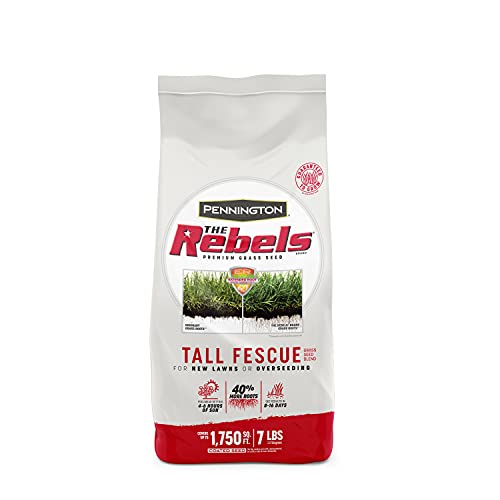
Overview: The Rebels represents Pennington’s premium Tall Fescue line. It emphasizes a robust root system, enabling resilience through hot, dry periods and heavy rainfall. The blend is designed to produce a darker, greener and denser lawn than older tall fescue varieties, which can help Zone 7 lawns achieve a fuller appearance with fewer inputs.
Key Features: Deep, thick roots; durable under tough conditions; superior density compared with Kentucky-31. This makes it a strong choice for high-traffic areas or properties with competitive soil moisture challenges. Look for quicker establishment and improved lawn strength once mature.
Discussion for Zone 7: Tall Fescue blends tolerate heat well, and The Rebels’ density helps the lawn recover more readily after droughts or heavy rains typical in Zone 7 summers. It may pair well with overseeding in bare patches caused by heat stress or compacted soils. For shade considerations, you may want to combine with compatible shade-tolerant blends if parts of your yard are consistently shaded.
Pennington Smart Seed Dense Shade Grass Mix 7 lb
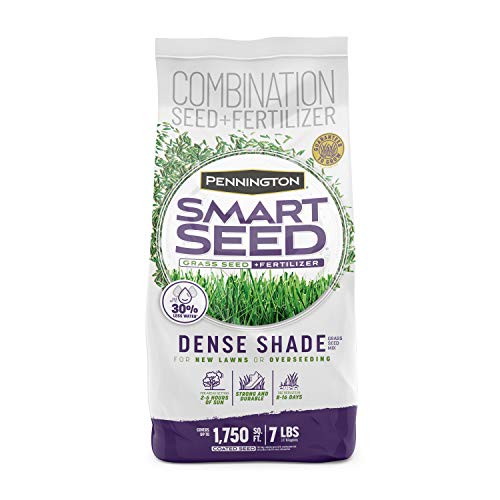
Overview: This blend specifically targets shaded lawn areas, combining Tall Fescue with Fine Fescue for a balanced turf that thrives where sunlight is scarce. The product includes a fertilizer component designed to support early growth, helping establish a thicker, healthier lawn in less sunny zones of Zone 7 properties.
Key Features: Shade-tolerant mix; quick green-up; built-in fertilizer to boost establishment. The approach prioritizes density and color in low-light conditions, which is valuable for yards with mature trees or structures casting shade during peak sun hours.
Discussion for Zone 7: For lawns with mixed sun exposure, this blend minimizes patchiness by delivering stability in shaded pockets. It’s important to monitor moisture in shaded areas, as these zones can retain humidity longer and may be prone to disease if not managed. Consider watering depth and aeration to maintain healthy roots in zones with limited sun.
Pennington Kentucky 31 Tall Fescue Penkoted Grass Seed 7 lb

Overview: Kentucky 31 is a classic, durable option for home lawns, renowned for its resilience in heat and heavy rainfall. The Penkoted variation focuses on providing a robust turf that can serve as a reliable foundation for Zone 7 lawns, delivering a sturdy blade structure and strong overall performance.
Key Features: Durable, economical; thick blades; stands up to hot summers and heavy rains. This makes it suitable for budget-conscious homeowners seeking a dependable lawn with lower maintenance needs while still offering resilience through seasonal fluctuations in Zone 7.
Discussion for Zone 7: Kentucky 31 remains a workhorse option for those prioritizing hardiness. While it may not have the elevated density or color intensity of some premium tall fescues, its affordability and steadiness make it a practical baseline lawn option. Pair with soil amendments and proper mowing practices to maximize color and density without sacrificing drought tolerance.
Pennington Smart Seed Sun and Shade Grass Mix 7 lb
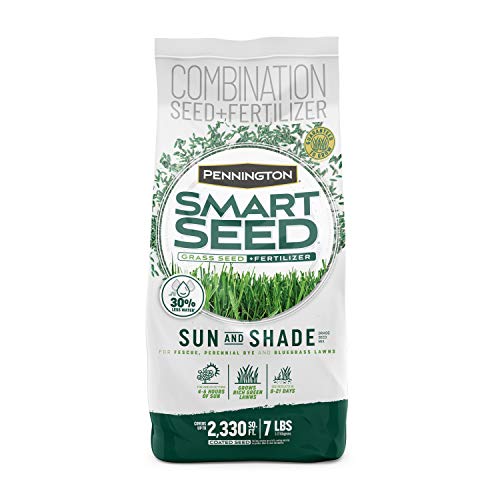
Overview: This mix blends Tall Fescue, Perennial Ryegrass, Kentucky Bluegrass, and Fine Fescue to support lawns that receive sun in some parts and moderate shade in others. It is designed to offer adaptability across microclimates within a Zone 7 lawn, with a balanced nutrient approach to help establish a robust turf quickly.
Key Features: Sun and shade versatility; multi-species blend; fertilizer included. The combination aims to exploit the strengths of each component, resulting in a turf that can cope with variable daily sun exposure and seasonal shifts typical in Zone 7 climates.
Discussion for Zone 7: For homeowners with trees, patios, or varying yard topography, this mix can provide a stable turf over larger areas with diverse light conditions. It’s wise to observe growth patterns after sowing and adjust mowing height and irrigation to maximize density and color across sun-dotted and shaded pockets alike.
Jonathan Green Fast Grow Grass Seed – Cool Season Lawn Seed

Overview: Fast Grow is designed for rapid turf establishment, making it attractive for problem areas or new lawns in Zone 7. The blend includes annual ryegrasses, tall fescues, and fine fescues to deliver quick coverage and a dark-green lawn appearance as maturity progresses.
Key Features: Germinates in 7–10 days under suitable conditions; broad sun to light shade tolerance; dense, dark-green turf potential. This product emphasizes speed to fill in spaces and repair damaged turf, which can be beneficial after seasonal disruptions.
Discussion for Zone 7: The rapid establishment is helpful for quickly reclaiming bare spots after heat stress or winter damage. As the lawn matures, you may refine with targeted overseeding or selective mowing to promote uniform density and color. Monitor moisture levels to ensure consistent germination across varied soil textures.
Buying Guide: Key Considerations For Zone 7 Lawns
Choosing the right grass seed or blend for Zone 7 requires weighing several factors beyond immediate germination. The following guidelines help you compare options and plan for a sustainable, low-maintenance lawn that stays healthy across seasonal changes.
- Climate compatibility: Zone 7 summers can be hot and humid, with variable winter temperatures. Favor blends that tolerate heat and resist drought while maintaining color during cooler spells. Tall Fescue-based mixes generally offer good heat tolerance and shallow drought resilience when properly watered.
- Shade tolerance: If your yard has substantial shade from trees or structures, consider shade-tolerant blends (Fine Fescue and certain tall fescue mixes) to minimize bare patches. For yards with mixed sun exposure, a sun/shade blend provides versatility.
- Establishment speed: Rapid germination is helpful for quick safety and aesthetic improvements. Fast-growing mixes reduce bare areas sooner, but you may trade some long-term density or color for speed. Match your priorities to a blend’s growth profile.
- Maintenance profile: Higher-density, darker lawns often require consistent mowing, irrigation, and occasional overseeding to maintain uniform color and disease resistance. Consider your maintenance capacity when selecting a seed mix.
- Root depth and drought resilience: Deep-rooted tall fescues generally offer better drought tolerance and soil stabilization. If you face water restrictions, a deeper root system supports extended dry periods with less irrigation.
- Soil preparation: Healthy soil foundation improves germination rates and turf vigor. Conduct a soil test, amend with appropriate lime or sulfur to adjust pH, improve drainage, and correct nutrient deficiencies before seeding.
- Overseeding strategy: Zone 7 lawns benefit from annual or semi-annual overseeding to fill thin areas and maintain density. Choose blends that complement rather than compete with existing grasses to avoid undesirable invasions or turf thinning.
- Product labeling and guarantees: Review seed composition, germination rates, and any stated performance claims. Reputable brands often provide guidelines for seeding rates and recommended sowing windows for Zone 7.
In practice, a practical approach is to start with a dominant tall fescue blend for heat tolerance and durability, then introduce a shade-tolerant or sun/shade mix to zones with limited sunlight. Regular mowing at the recommended height, disciplined irrigation, and annual soil health checks will help sustain a lush Zone 7 lawn. If you observe persistent shade-induced thinning or disease pressure, adjust your seed strategy accordingly by mixing in more shade-tolerant cultivars or reducing leaf wetness through improved airflow and spacing.
Note on coverage and care: While product features highlight density and color, actual results depend on site conditions such as soil type, drainage, sunlight, and irrigation practices. Always follow the seed rate instructions on the bag and tailor watering to avoid overwatering, which can lead to disease in humid Zone 7 summers.