Choosing the right fence for a chicken yard is essential for predator protection, mobility, and ease of setup. This guide highlights top fences that balance stability, durability, and practicality for American backyards, farms, and homesteads. The selections cover non-electric boundaries and electric nets to accommodate different predator pressures, climates, and management styles. Each product section includes a quick reference and features to help you compare options at a glance.
| Product | Brand |
|---|---|
| Toriexon Non-Electric Fence Netting 48×65 | Toriexon |
| RentACoop Non-Electric Boundary Fence 48″ x 100′ | RentACoop |
| Miuwauer Chicken Wire 13.7″ x 236″ | Miuwauer |
| RentACoop Poultry Netting Electric Fence 168′ L | RentACoop |
| FZIFZI Electric Poultry Netting Fence 164′ L | FZIFZI |
Summary: The listed fences offer a mix of non-electric boundary nets and electric netting with pre-attached posts. They are designed to keep poultry contained, deter predators, and support flexible enclosure layouts. Consider your predator risk, climate, portability needs, and whether you prefer a purely non-electric solution or a powered system for enhanced protection.
Toriexon Non-Electric Fence Netting 48×65

The Toriexon non-electric fence uses a high-strength PE wire mesh with nine fiberglass posts and double-spiked steel stakes for improved stability. Designed to resist sagging, the setup can be reinforced with windproof ropes and stakes. Its portable design makes it suitable for flexible perimeter enclosures in backyards, gardens, or small farms. This option avoids electricity, which can be preferable for environments where ease of use and simplicity are priorities.
RentACoop Non-Electric Boundary Fence 48” x 100’

RentACoop’s non-electric boundary fence provides a safe space to protect poultry from predators and intruders. The design includes an extra post so you can customize the length by cutting the netting, effectively creating two fences if needed. It emphasizes ease of setup and portability, allowing quick adjustments to enclosure size and shape without tools or power.
Miuwauer Chicken Wire 13.7 x 236
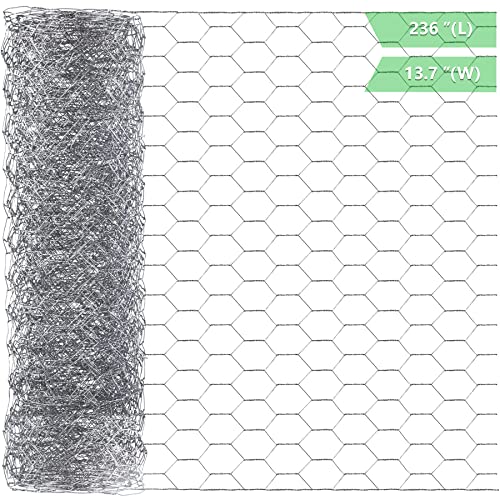
This hexagonal galvanized chicken wire mesh measures 13.7 inches by 236 inches, offering a long, easy-to-cut barrier suitable for gardens, coops, and pet enclosures. Galvanization supports durability against weather and wear. The mesh can be shaped to fit irregular spaces and is versatile for DIY projects, such as garden fences or small animal pens, while helping to restrict poultry from wandering.
RentACoop Poultry Netting Electric Fence 168’ L

RentACoop’s electric fence encloses 168 feet of 48-inch-tall netting, providing a substantial area for free-ranging poultry while delivering predator deterrence through a low-impedance pulse energizer (energizer not included). Pre-attached FRP posts every 12 feet and triple-braided stainless-steel wire offer reliable stability, even on uneven terrain. It supports rotational grazing and quick relocation for different flocks or seasons.
FZIFZI Electric Poultry Netting Fence 164’ L
This electric fence netting by FZIFZI offers 164 feet of protection with 14 fiberglass galvanized stakes and 12 conductive wires in a dual-layer design to improve conductivity and restraint. It aims to balance visibility with protection and is suitable for poultry, ducks, and other small livestock. The system emphasizes straightforward setup and reliable performance across varied terrains, aiding in modular enclosure planning for larger flocks.
Buying Guide: Key Purchase Considerations
- Fence type: Choose non-electric boundaries for simple containment or electric netting for enhanced predator deterrence and more flexible grazing plans.
- Material durability: Look for galvanized or reinforced posts, weather-resistant wire or mesh, and sturdy stakes to minimize sagging and tangling in wind.
- Portability and setup: If you rotate poultry or move the enclosure seasonally, prioritize lightweight nets, pre-attached posts, and tool-free assembly.
- Fence height and length: Taller fences lower the risk of climbing predators; longer perimeters support larger flocks and more expansive free-ranging areas.
- Safety considerations: For electric fences, ensure energizer compatibility, safety guidelines, and humane voltage suitable for poultry without risking harm to other animals or humans.
- Maintenance: Consider ease of repair, replacement parts, and whether the product allows resizing or reconfiguration without specialized tools.
- Environmental fit: In windy or snowy climates, windproofing options and robust staking systems help maintain fence integrity.
- Cost and value: Compare initial costs with expected lifespan, ease of use, and maintenance needs to determine long-term value.
- Assembly footprint: Measure your yard to plan enclosure shapes that minimize wasted space while optimizing security and access.