Choosing the right soil mix matters for Pink Princess philodendrons, which favor well-draining, moisture-retentive media that support lush growth and vibrant variegation. The following selections are formulated for indoor use, aim to reduce gnats, and provide steady nutrients or moisture balance. This guide highlights five strong options, explains their suitability for Pink Princess, and offers practical planting and care tips. The included buying guide helps you compare texture, nutrients, and drainage so you can pick the best match for your plant’s needs.
| Product | Brand | Type | Key Benefit |
|---|---|---|---|
| Miracle-Gro Houseplant Potting Mix: Fertilized, Perlite Soil for Indoor Gardening | Miracle-Gro | Indoor potting mix | Less prone to gnats; balanced for a variety of houseplants |
| Miracle-Gro Organic Indoor Potting Mix | Miracle-Gro | Organic indoor mix | Protects against over and under watering; OMRI listed |
| Rosy Soil Indoor Potting Soil | Rosy Soil | Organic, peat-free mix | Biochar for robust root systems and moisture balance |
| Sol Soils Chunky Houseplant Mix | sol soils | Chunky houseplant mix | Excellent drainage with perlite, pumice, and LECA |
| Miracle-Gro Potting Mix, For Container Plants | Miracle-Gro | Container potting mix (2-pack) | Feeds up to 6 months; good for blooming growth |
The Pink Princess variety thrives in a medium that balances moisture and aeration without staying soggy. These choices emphasize drainage, mineral content, and slow release fertilizers where appropriate. The following sections break down each product’s suitability, application tips, and how they complement ongoing care for Pink Princess philodendrons.
Miracle-Gro Houseplant Potting Mix

This mix is designed specifically for indoor plants, combining perlite and sphagnum peat to create a balanced texture that drains well while retaining enough moisture for roots to access consistent hydration. It’s a versatile option for Pink Princess, which benefits from steady moisture without compacted soil. The formula is less prone to gnats, a common issue for indoor houseplants, making it a practical choice for apartment setups. It’s suitable for pothos, pothos-like foliage, and Philodendron varieties commonly grown indoors.
Application tips: Use in standard 6-8 inch pots or larger, fill about one-third to one-half of the container with soil, place the plant, and gently backfill. Water thoroughly after planting and observe soil moisture over the next several days. If you repot, gently loosen roots to encourage new growth. For ongoing care, expect a light feeding schedule per package directions, ensuring you avoid over-fertilizing during active growth surges.
Miracle-Gro Organic Outdoor Potting Mix

Although marketed for outdoor use, this organic mix includes a quick-release natural fertilizer and is OMRI-listed, highlighting its suitability for lighter outdoor-style watering schedules and projects that mimic natural soil conditions. For Pink Princesses grown near windows or in sunrooms, this mix provides organic feeding for several weeks while the outdoor blend’s formulation supports robust root systems. It is versatile for container plant setups that may see seasonal shifts in moisture and temperature, including the Aroids and other tropicals that share similar soil needs.
Practical note: If you transition this mix indoors, consider blending with a portion of a lighter indoor mix to maintain balance between drainage and moisture retention. Monitor plant response and adjust watering frequency to align with the plant’s seasonal growth patterns. This option is best used where a longer interval between fertilization is desired without sacrificing plant vigor.
Miracle-Gro Potting Mix, For Container Plants (2-Pack)

This two-pack provides a reliable option for larger containers or multiple plants, including Pink Princess, with up to six months of feeding in some formulations. The mix tends to be light and fluffy, aiding root expansion and preventing soil compaction. The product’s instructions emphasize filling, planting, and topping with soil, followed by gentle watering to set the root ball in place. The long-lasting feed is useful for those who want a low-maintenance approach to nutrition during active growth phases.
Considerations: While the extended feeding window is convenient, it’s wise to monitor for signs of over-fertilization, such as leaf tip burn or changes in leaf coloration. If you notice these symptoms, flush the potting mix lightly and adjust future feedings accordingly. Pair this with a well-draining pot and a container with drainage holes to maintain optimal moisture balance for the Pink Princess.
Rosy Soil Indoor Potting Soil
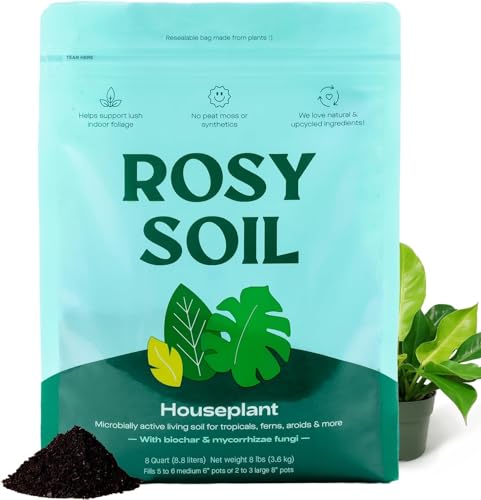
Rosy Soil’s peat-free, organic formula uses biochar and pine bark fines to promote a living soil environment. Biochar supports healthy root systems and soil microbial activity, which can benefit Pink Princess by fostering better nutrient uptake and resilience. The peat-free composition is aligned with sustainable gardening practices while still providing balanced moisture retention. This mix is compatible with a wide range of houseplants, including foliage plants like Philodendron and Monsteras, which makes it a versatile option for indoor tropical plant collections.
Tips for best results: Start with a clean pot and fresh soil to avoid seed or compost-based pests. Water thoroughly after planting, then allow the top inch of soil to dry slightly before the next watering. If your Pink Princess shows signs of stress, consider supplementing with a balanced liquid fertilizer on a light schedule, ensuring you do not over-fertilize during periods of slower growth.
Sol Soils Chunky Houseplant Mix

This chunky blend combines organic coconut coir, husk chips, perlite, pumice, pine bark, and LECA for exceptional drainage and aeration. The larger particle size helps prevent soil compaction, which is crucial for a plant like Pink Princess that benefits from well-structured roots and steady oxygen access. The mix supports tropical and aroid plants, including Monstera and Philodendron varieties, making it a strong match for Pink Princess care in containers that require frequent repotting or root expansion.
Care considerations: With chunky mixes, watering frequency can be higher or lower depending on pot size and climate. Check moisture at the root zone, ensuring the top layer dries before the next watering. For especially vigorous growth periods, you may need to water more often, while in cooler months, allow longer intervals between watering to prevent root rot. This blend is well-suited to fans of fast drainage and a robust root environment.
Buying Guide: Key Purchase Considerations
When selecting a soil mix for Pink Princess, several factors influence success. Drainage, moisture retention, and texture are essential to prevent root rot while keeping roots hydrated. Aroids and philodendrons prefer airy media that won’t compact over time, so mixes with perlite, pumice, or coconut coir often perform best. Nutrient content matters, too; some mixes include slow-release fertilizer, while organic blends emphasize sustainable components.
Texture and drainage: Consider particle size and components such as perlite, LECA, pumice, or wood bark. A chunky mix can improve aeration for larger containers, whereas finer blends suit smaller pots or seedlings. If you notice water pooling on the surface after watering, switch to a more draining mix or repot with larger drainage holes.
Nutrient availability: Some mixes feed for several months, reducing routine fertilization. Organic blends may rely on natural nutrients but may require more frequent feeding in active growth periods. For Pink Princess, a routine that balances fertilization with careful watering usually yields the best results, promoting dark green leaves and vivid variegation.
Maintenance and sustainability: Peat-free blends support sustainability goals and can help with long-term soil health. If you prefer peat-free options, Rosy Soil and certain chunky mixes align with this preference. Always match your choice to your home’s lighting, humidity, and your watering routine to keep Pink Princess thriving.
Root health and repotting: Pink Princess Plants often benefit from periodic repotting to refresh soil and grow into larger containers. Choose a media that provides adequate aeration to prevent root-bound conditions and to support vibrant growth. Regular inspection of roots during repotting helps identify root rot early and guides adjustments to moisture and drainage plans.
In summary, a balanced indoor potting mix with good drainage, moisture retention, and appropriate nutrients will support a Pink Princess’s leaf health and growth. The five products reviewed here each offer distinct advantages, so your final choice may depend on whether you prioritize anti-gnat properties, organic content, extended feeding, or superior drainage for larger pots.