Choosing the right fence is essential for horse safety, containment, and pasture management. This guide highlights five fences and gate-related products that combine strength, visibility, and practicality for American horse property setups. From heavy-duty welded wire options to electric polybraid systems and teaching aids, these picks are designed to minimize escapes, hoof injuries, and fence sag. Read on to compare core features and usage scenarios to help you select the best fence for your horses and land.
Summary Of Selected Products
| Product | Brand | Key Strength | Ideal For |
|---|---|---|---|
| 4x100ft Heavy Duty Horse Fence, 2×4 Inch Mesh | Rilth | 12 gauge wire, corrosion-resistant, warning top wire | Pasture containment, high visibility fencing |
| Heavy Duty Farm Fence 4x100FT, 2×4 Inch Mesh | Rilth | 14 gauge wire, high-visibility top wire, square knots | Broad livestock containment, versatile fencing |
| Zareba Elite Electric Polybraid Fence for Horses | Zareba | 4 tinned copper strands, high visibility | Electric boundary for horses, adjustable containment |
| Zareba 25 Mile AC Powered Low Impedance Electric Fence Charger | Zareba | High mile rating, effective in various conditions | Electric fence systems, large properties |
| TOYMANY 20PCS Corral Fencing Panel Accessories Playset | Toymany | Portable plastic panels with gates, child-safe | Education and hobbyist horse play setups |
4x100ft Heavy Duty Horse Fence, 2×4 Inch Mesh

Rilth’s 4x100ft Heavy Duty Horse Fence uses a robust 12 gauge wire with galvanized coating for outdoor durability. The 2×4 inch mesh prevents hooves from slipping through, and a 4-foot height discourages climbing. A top 9 gauge red wire adds high visibility, serving as a warning to reduce accidental contact with the fence. This design aims to maintain tension, resist horse impacts, and hold its shape over time in variable weather conditions.
Heavy Duty Farm Fence 4x100FT, 2×4 Inch Mesh

This fence variant uses a 14 gauge wire with 2×4 inch mesh and square knots to distribute tension evenly, reducing sagging. A high-visibility red top wire helps prevent accidental contact, while the design supports diverse farm needs—whether used for horses, cattle, sheep, or goats. The fence is suitable for field, garden, or farm perimeter setups and can be combined with other fencing types for added security.
Zareba Elite Electric Polybraid Fence for Horses

Ideal for horses, this polybraid electric fence uses braided copper strands within a poly fiber jacket, delivering high visibility and effective containment. The flexible design expands the boundary when horses test the line, with a stated break strength around 600 pounds. The four copper strands provide enhanced conductivity, making it a preferred option for electric fencing where quick visibility and reliable power transfer matter.
Zareba 25 Mile AC Powered Low Impedance Electric Fence Charger

This AC-powered charger energizes up to 25 miles of fencing under ideal conditions and remains functional in weedier environments with reduced performance. It supports multiple fence types, including high-tensile, polywire, and polytape. A reliable charger is essential for electric fence systems, ensuring strong, consistent pulses across long boundaries while accommodating variable terrain and growth.
TOYMANY 20PCS Corral Fencing Panel Accessories Playset
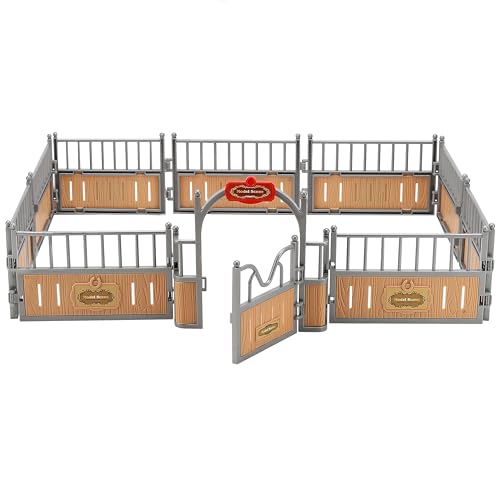
This corral fencing playset provides realistic, miniature fence panels and gates designed for animal figurines or educational display. The 6×2.6×0.5 inch panels (and 6×3.2 inch gate variant) feature two buckles for connection and are touted as sturdy for toy play. While intended for display and learning, it’s a helpful accessory for planning layouts and teaching children about farm fencing concepts.
Buying Guide: Key Factors For Choosing Horse Fences
When selecting a fence for horses, consider strength, visibility, safety, and maintenance. Each property has unique needs, so balance practical containment with cost and future flexibility.
- Material and gauge: Heavier gauges (12–14) offer greater durability and resistance to horse contact, but weigh more and may cost more upfront.
- Mesh size and design: 2×4 inch mesh is common for preventing hoof entrapment, while additional top wires or bright lines can boost visibility.
- Height and stability: A 4-foot fence reduces the chance of climbing or stepping over. Look for tensioning systems and knot designs that minimize sagging.
- Electric versus non-electric: Electric fences provide flexible boundary control and can deter pushing or leaning. Ensure proper energizer sizing and compliance with local regulations.
- Maintenance and weather resistance: Galvanized coatings and corrosion resistance extend life in rain, snow, or humidity. Inspect connections and tension regularly.
- Compatibility: Consider whether you want a full containment system or modular components that can be expanded with gates, panels, or chargers.
- Safety: Smooth edges, properly secured posts, and correct installation reduce injury risk to horses and handlers.
- Cost of ownership: Initial installation, along with ongoing maintenance and electricity costs for electric fences, should be factored into a long-term budget.
- Legal and environmental considerations: Some regions require certain fence types near waterways or protected habitats; verify local fencing regulations before installation.
In summary, the best fence for horses blends visible boundaries, strong construction, and adaptable design. Electric components can extend practicality on larger properties, while high-tensile or welded-wire fencing offers dependable, low-maintenance containment. For educational or display needs, toy fences help visualize layouts but are not substitutes for real containment solutions on active pastures.