Selecting the right soil is crucial for thriving tomato plants, whether you garden in-ground or in containers. The following picks focus on drainage, moisture retention, nutrient availability, and microbial health to support robust blossoms and bountiful harvests. Each option is widely used for tomatoes and compatible vegetables, so you can mix and match based on your space and growing style.
Summary of chosen products:
| Product | Brand | Key Benefit | Ideal For |
|---|---|---|---|
| Coast of Maine Organic & Natural Planting Soil for Vegetables & Tomatoes | Coast of Maine | Lightweight, balanced moisture, balanced drainage | Ground and container tomatoes |
| Wakefield Premium Biochar Blend – Organic Potting Soil | Wakefield Biochar | Biochar for soil health, improved nutrient uptake | Raised beds, containers, indoor/outdoor |
| Wonder Soil Organic Potting Soil | Wonder Soil | Coco coir base with worm castings and amendments | Indoor and outdoor plantings, fast germination |
| Michigan Peat Garden Magic Organic Planting Potting Mix | Garden Magic | Moisture retention and drainage balance | Indoor/outdoor planting, ready to use |
| Espoma Organic Vegetable & Flower Garden Soil | Espoma | Organic earth-friendly mix with mycorrhizae | In-ground planting and transplants |
Coast Of Maine Organic Soil For Tomatoes And Vegetables

Coast of Maine’s Organic Soil for Tomatoes & Vegetables is designed as a lightweight, compost-enhanced planting mix. The formulation supports vigorous growth of vegetables and tomatoes, with a balance between moisture retention and drainage. This versatile soil works for seeding, transplanting, topping off beds, and container use, making it a solid all-purpose choice for mixed vegetable setups.
Key features emphasize premium ingredients and a balanced moisture profile to prevent root suffocation or waterlogging. For tomato lovers who favor a natural, compost-forward mix, this product provides a reliable foundation for healthy root development and steady yields in both garden beds and pots.
Wakefield Premium Biochar Blend – Organic Potting Soil

Wakefield’s premium potting soil incorporates biochar and humic acid to boost soil biology and root uptake. The CarbonBoost technology aims to foster robust root systems and sustained fertility, making it suitable for raised beds, patio containers, and indoor mixes. The blend balances moisture and drainage, reducing the risk of overwatering while maintaining plant-available nutrients for tomatoes and other vegetables.
Ideal for gardeners seeking an advanced soil conditioner that supports microbial activity and long-term soil health, this option can serve as a top-quality base or a soil amendment to refresh older beds.
Wonder Soil Organic Potting Soil
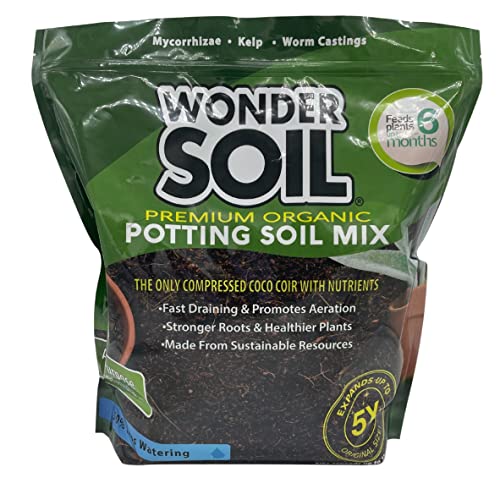
Wonder Soil comes as a ready-to-use coco coir-based mix enriched with worm castings, mycorrhizae, kelp, perlite, and other amendments. Its coco coir foundation is peat-free and designed for fast germination and strong root growth, making it particularly suitable for indoor starting and outdoor containers. The mix expands significantly with water, offering a compact starting bag that yields a larger volume when prepared.
For tomato starters and other vegetables, this soil provides a nutrient-rich environment that supports rapid establishment and healthy transplants. It is especially appealing for gardeners seeking an organic, fiber-based alternative to traditional peat mixes.
Michigan Peat Garden Magic Organic Planting Potting Mix

Michigan Peat Garden Magic is a ready-to-use, general-purpose potting mix designed for both indoor and outdoor planting. Its blend emphasizes moisture retention and drainage balance, utilizing peat components, perlite, and sand for structure and aeration. This mix helps support steady growth in tomatoes and other vegetables by preventing water stress while maintaining root oxygenation.
Garden Magic is a dependable option for gardeners who want a straightforward, all-in-one soil that performs well across various containers and garden beds without extra amendments.
Espoma Organic Vegetable & Flower Garden Soil

Espoma’s Organic Vegetable & Flower Garden Soil is formulated for in-ground planting and transplanting, enriched with earthworm castings and Myco-Tone mycorrhizae. This soil emphasizes natural fertility with a focus on improving native soil structure and long-term plant health. It supports robust root systems and better nutrient uptake, helping tomatoes establish quickly in beds or borders while benefiting a broad array of vegetables.
Suitable for organic gardeners who want a ready-to-use, ecologically minded soil that aligns with sustainable gardening practices and soil biology enhancement.
Buying Guide: Key Purchase Considerations For Tomato Soils
When choosing soil for tomatoes, consider drainage, water retention, nutrient availability, and soil biology. Tomatoes prefer consistent moisture without soggy roots, so a mix with balanced drainage is essential. Container growing benefits from lighter blends with good aeration, while in-ground beds may benefit from soil conditioners that boost microbial activity and long-term fertility.
- Base material: Coco coir, peat, compost blends, and biochar each offer distinct moisture and aeration characteristics. Coco coir tends to provide better water retention without compaction, while compost-rich mixes offer more immediate nutrients.
- Drainage vs. moisture: Look for blends that specify drainage-enhanced properties or include perlite, vermiculite, or fine mulch to prevent waterlogging in pots.
- Added amendments: Worm castings, mycorrhizae, humic acids, and biochar support root development and nutrient uptake. These are especially helpful for container plants and raised beds.
- Organic certification: If you prefer organic gardening, choose soils with OMRI-listed amendments or clearly labeled organic ingredients.
- Container vs. in-ground: Containers require lighter blends with controlled drainage, whereas in-ground beds can tolerate heavier mixes with longer-lasting nutrients.
- Pre-mixing vs. in-situ: Ready-to-use mixes save time and provide consistent texture, while soil amendments can tailor existing garden soil to tomatoes’ needs.
Additional Considerations For Tomato Growth
Tomatoes benefit from soils that support steady nutrient availability through the growing season. Look for formulations that balance nitrogen, phosphorus, and potassium, with a focus on phosphorus early to promote root and fruit development. For organic growers, choosing blends with worm castings and mycorrhizae can enhance microbial networks and plant vigor. In containers, monitor moisture closely and adjust watering to prevent both drought stress and root rot during hot weather.
Practical Tips
- For transplants, ensure good drainage in the pot or bed to prevent soggy roots.
- Top off beds with a fresh layer of soil or compost to renew nutrients each season.
- Mix in a slow-release organic fertilizer if the soil test indicates nutrient gaps.
These soil options provide a range of choices to fit different tomato varieties, climates, and gardening styles. By prioritizing drainage, moisture control, and soil biology, you can establish strong tomato plants with healthy foliage and productive fruiting cycles.