Hillside properties require ground covers that protect soil, reduce runoff, and promote stable vegetation. The following selections focus on erosion control blankets, geo-cell grids, and landscape fabrics that are effective on slopes and vulnerable terrain. Each option is evaluated for coverage, biodegradability, ease of installation, and suitability for hillside environments.
Summary of chosen products
- AK TRADING CO. Jute Erosion Control Blanket — 240 sq ft coverage; natural, biodegradable.
- Standartpark Vodaland GeoCell — 9 ft x 17 ft; pedestrian-friendly stabilization grid.
- Farm Plastic Supply Biodegradable Erosion Control Blanket — straw/coconut fibers; 8′ x 112.5′.
- Riakrum Burlap Erosion Control Blanket (2 rolls) — 48″ x 60 ft total; burlap fiber.
- Sandbaggy Coconut Erosion Control Blanket — 2,250 sq ft; 100% coconut fiber; slope stabilization.
Jute Erosion Control Blanket By AK TRADING CO.
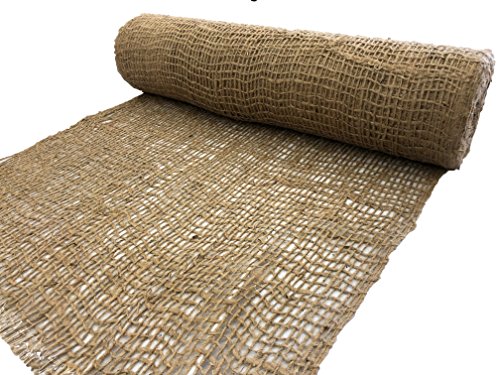
Premium jute construction provides natural erosion control with biodegradability. The blanket is 48 inches wide and 20 yards long, yielding about 240 square feet of coverage. It acts as a shield to minimize sedimentation and protect hillside soil from wind and water. As a natural material, it integrates with soil ecology and decomposes over time without harmful residues, reducing long-term environmental impact.
Vodaland 2″ GeoCell System By Standartpark

The 2″ GeoCell system is designed for pedestrian use and lightweight load-bearing applications. It provides a permeable, grid-based structure that stabilizes soil on slopes, paths, and erosion-prone areas. Easy installation involves spreading the unit, anchoring to the ground, and filling cells with soil, grass, sand, or gravel. It is best for walkways or patios on hillside projects where foot traffic is anticipated and where long-term erosion control is needed.
Biodegradable Erosion Control Blanket By Farm Plastic Supply

This straw/coconut blend blanket is 100% biodegradable. It combines agricultural wheat straw (70%) with coconut fiber (30%), held together by a brown biodegradable net that degrades in roughly 90 days. It provides temporary, but effective soil stabilization for hillside landscapes and drainage corridors while promoting seed establishment and native vegetation growth.
Riakrum Burlap Erosion Control Blanket Pair
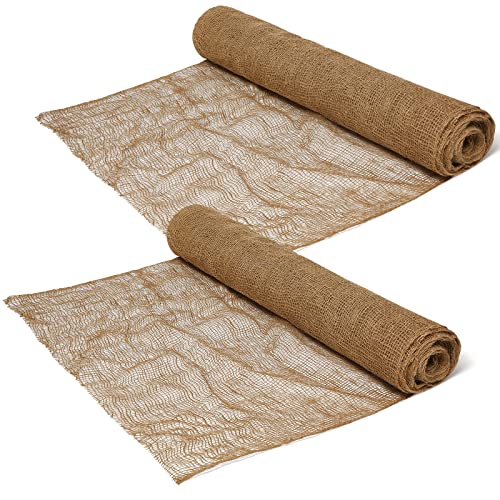
Two rolls of burlap erosion control blanket deliver 48 inches in width and a combined 60 feet in length. The burlap fibers stabilize soil and help revegetate hillside areas. Each roll is designed for easy handling, laying flat, and storage for various ground and soil conditions. Netting openings measure about 0.2 x 0.2 cm, suitable for moderate soil retention needs.
Sandbaggy Coconut Erosion Control Blanket

Made from 100% coconut fiber, this mat supports slope stabilization and seed germination while reducing runoff. It is widely used for hillside protection, eco-restoration, and government erosion control initiatives. The product is sized to support thorough soil retention on steep slopes and provides moisture retention to aid seed establishment and vegetation growth.
Farm Plastic Supply QuickGrass Pro – Green Erosion Control Blanket
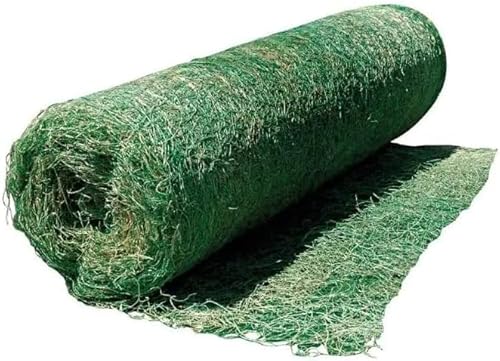
Excelsior netting on the top of this blanket safeguards topsoil from erosion while promoting seed germination. The 4′ x 112.5′ roll is designed for broad hillside coverage and is suitable for landscaping and large-scale erosion control projects. The product emphasizes biodegradable properties and effective topsoil protection during establishment of grasses and ground cover.
Happybuy Weed Barrier Landscape Fabric

Heavy-duty 6 x 250 ft weed barrier fabric made of premium PP material. While primarily a weed control product, its high density helps reduce surface erosion by limiting surface water runoff and keeping moisture in the soil. The fabric offers good permeability for air and water, which supports plant establishment on slopes and hillside landscapes.
Buying Guide: Key Considerations For Hillside Erosion Control
- Material type and biodegradability — natural fibers like jute, coconut, and straw blends decompose, reducing long-term residue, while synthetic options like woven PP fabrics offer durability and longer-term stabilization.
- Slope compatibility — choose blankets or mats designed for steep slopes if erosion risk is high; consider grid systems like GeoCells for pedestrian zones or steps.
- Soil and seed compatibility — select products that promote vegetation establishment, moisture retention, and seed germination for durable hillside rehab.
- Coverage and installation — calculate total square footage needed and assess ease of installation, anchoring requirements, and whether the product is roll-based, blanket-based, or grid-based.
- Environmental impact — prioritize biodegradable materials for environmentally sensitive sites, especially near water bodies or native habitats.
- Durability vs. temporary needs — for temporary stabilization during revegetation, straw/coconut blends may suffice; for ongoing erosion control, consider longer-lasting solutions like PVC-free nets or geocells combined with soil.
- Maintenance and replacement — plan for inspection intervals after storms and seasonal cycles, budgeting for replacement areas if fibers break down sooner than expected.
- Anchoring method — some products require J-hooks, staples, or anchoring grids; ensure compatibility with local soil conditions and slope angle.
These products collectively address hillside erosion control through natural, biodegradable materials and engineered stabilization systems. When selecting, align product properties with site conditions, expected weather patterns, and desired long-term vegetation outcomes to optimize hillside stability.