Winter sowing in milk jugs is a low‑effort, high‑reward method to start cold‑season crops and flowering perennials. This guide highlights five seeds that perform well with winter protection, germinate reliably in cool soils, and translate into robust transplants come spring. Each selection is evaluated for hardiness, sun needs, and care, helping you plan a resilient winter‑through‑spring sowing strategy for a productive home garden.
Summary of chosen products
| Product | Brand | Notes |
|---|---|---|
| Winter Density Lettuce Seeds (Winter Gem) | Isla’s garden seeds | Slow to bolt; great frost tolerance; compact heads |
| Sow Right Seeds – Winter Oats Seed | Sow Right Seeds | Excellent cover crop for soil health and weed suppression |
| Survival Garden Seeds – Showy Milkweed Seeds | SURVIVAL GARDEN SEEDS | Pollinator host plant; drought‑tolerant perennial |
| Sow Right Seeds – Common Milkweed Seeds | Sow Right Seeds | Monarch butterfly habitat; tall, ornamental clusters |
| Sow Right Seeds – Showy Milkweed Seeds | Sow Right Seeds | Western North American native; rose‑pink nectar blooms |
Winter Density Lettuce Seeds (Winter Gem)

Winter Density Lettuce seeds are open pollinated with a Lactuca sativa lineage, producing heavy yields of dark green romaine heads. This variety remains crisp with a sweet flavor, especially when harvested in the cool morning hours. Its frost tolerance and slow bolting make it ideal for winter sowing in milk jugs. Direct sow into rich soil under full sun, then thin as seedlings grow to 8–12 inches apart. Expect compact heads with a tender texture that suits winter salads and wraps.
Germination and growth favor cool conditions, and this lettuce adapts well to extended cool seasons when protected. It’s suitable for year‑round cultivation with winter protection in colder climates, making it a versatile choice for backyard gardeners who want fresh greens outside the traditional growing season.
Sow Right Seeds – Winter Oats Seed
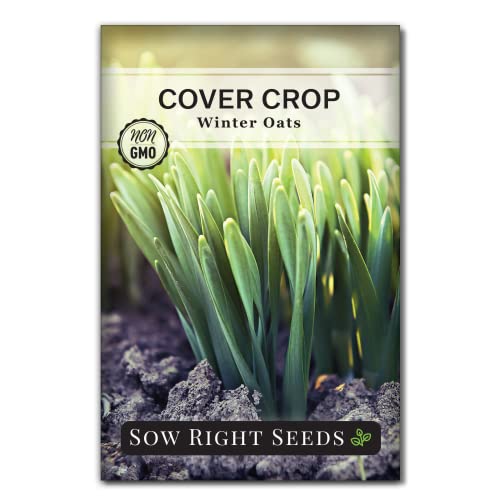
Winter oats are a practical cover crop for off‑season garden beds. This large packet covers an 8′ x 4′ area, helping to reduce soil erosion, add organic matter, and suppress weeds. Plant 1 inch deep with 3 inches spacing in full sun; oats typically reach 3–4 feet tall and produce a dense mulch when winter‑killed, which is tilled back into soil in spring. Germination occurs within 7–14 days at 60°F. Suitable for USDA zones 8b–10a, it offers a quick, low‑cost method to improve soil health between cropping cycles.
Survival Garden Seeds – Showy Milkweed Seeds
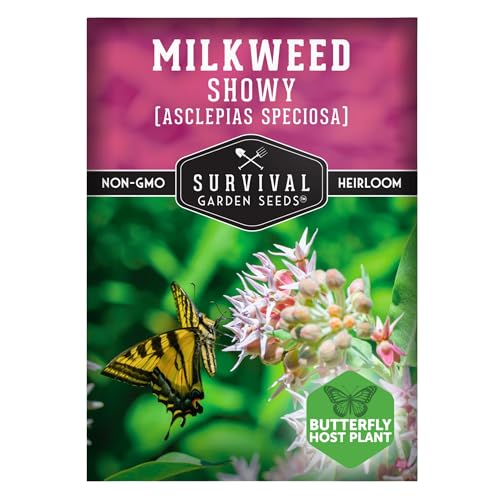
Showy Milkweed (Asclepias speciosa) is a native plant that supports monarchs and other pollinators. These heirloom, non‑GMO seeds are suited for zones 3–9 and tolerate drought once established. The plant grows to about 3 feet with fragrant pink‑purple blooms from June to September, attracting pollinators while offering essential habitat. For winter sowing, stratification in a controlled manner can enhance germination, and full sun fosters robust growth. This milkweed adds both ecological value and ornamental appeal to a pollinator border or prairie garden.
Sow Right Seeds – Common Milkweed Seeds

Common Milkweed is a perennial host plant that draws Monarch butterflies and other pollinators. In a winter sowing setup, sow seeds 1/4 inch deep and space 18–24 inches apart in full sun. Plants typically reach 3–4 feet tall with a spread of roughly 1–1.5 feet. Flowers emerge in 40–50 days, offering abundant nectar for bees and butterflies through the growing season. This milkweed variety supports biodiversity and provides a striking vertical accent in pollinator borders.
Sow Right Seeds – Showy Milkweed Seeds

Showy Milkweed (Asclepias speciosa) is a western North American native with lavender blossoms that attract butterflies and beneficial insects. The seeds arrive in a small packet with detailed planting instructions. Germination typically occurs in 10–15 days when soil temperatures reach 75–80°F. Plant 1/4 inch deep and space 18–24 inches apart in full sun. Plants reach 24–40 inches tall and provide a long season of nectar, making them a favorite for butterfly gardens and pollinator margins.
Buying Guide: Seed Selection for Winter Sowing in Milk Jugs
Climate suitability
Choose seeds known to germinate in cool soils and tolerate frost. Lettuce and certain cover crops like oats perform well with winter protection, while milkweed varieties require stratification and sun‑exposed sites to establish reliably in milder winters.
Seed type and growth habit
Mix cool‑season crops (greens and cover crops) with perennials (milkweeds) to diversify your winter sowing outcomes. Upright perennials add vertical interest and long‑term pollinator support, while ground‑cover or tight‑heading crops maximize space in small milk jug setups.
Germination and timing
Monitor soil temperature and moisture. Cold stratification can improve milkweed germination, while lettuce and oats respond well to timely sowing after the last frost risk. Keep jugs ventilated to prevent overheating and ensure consistent moisture for steady sprouts.
Soil and sun requirements
Most seeds in this list prefer rich, well‑drained soil and full sun to partial shade. In winter sowing, the milk jug acts as a mini greenhouse; ensure adequate light exposure and protect from extreme cold or wind as the season progresses.
Maintenance and transplant readiness
Thin crowded seedlings to promote strong root systems. Harden off transplants gradually when temperatures rise, and transplant into beds with appropriate spacing. For milkweed, allow roots to establish before major watering reductions during the first growing season.
Pollinator and ecosystem impact
Milkweed varieties support monarch populations and other pollinators, while lettuce and cover crops contribute soil health and yield continuity. A diversified selection helps create a resilient, biodiversity‑friendly winter sowing plan.