Roses rebound quickly after pruning when fed with the right nutrients. The best fertilizers for roses after pruning should promote strong roots, robust foliage, and vibrant blooms while minimizing risk of disease. This guide highlights five reliable options that suit American gardens, climates, and soil types. Each product listed below has clear NPK ratios, organic or synthetic formulations, and user-friendly application guidance to support healthy rose bushes through the growing season.
| Product | Key Benefit |
|---|---|
| Scotts Rose & Bloom Continuous Release Plant Food | Long-lasting feeding up to 2 months; strong blooms |
| Jobe’s Organics Granular Rose Fertilizer | Organic options with balanced NPK; low runoff |
| BioAdvanced All-In-One Rose & Flower Care | Root growth, blooms, and insect/disease protection |
| Miracle-Gro Water Soluble Rose Plant Food | Instant feeding for rapid growth and larger blooms |
| Espoma Organic Rose-Tone | Organic, balanced 4-3-2 with calcium; monthly feeding |
Note: The products below are selected for varied preferences—synthetic blends for quick results, organic options for eco-conscious gardeners, and easy-to-use formulations for pruning season recovery. Always follow label directions for application timing and amounts, and consider soil tests to tailor feeding to your rose varieties and regional climate.
Scotts Rose & Bloom Continuous Release Plant Food

Scotts Rose & Bloom provides steady feeding that extends up to two months, focusing on blooming performance for roses, annuals, and perennials. Its release mechanism helps deliver nutrients consistently to root zones after pruning, supporting new growth and vibrant flowers. The formula emphasizes flowering plants, making it a reliable post-pruning option for home gardens seeking reliable color and coverage through the season.
Jobe’s Organics Granular Rose Fertilizer

This organic granular blend is formulated to minimize wasteful runoff while delivering essential nutrients. With a 3-4-3 NPK ratio, it supports robust blooms and healthy foliage for roses and other flowering plants. The product’s organic designation and OMRI listing make it suitable for gardeners prioritizing organic practices, soil health, and long-term fertility without synthetic additives.
BioAdvanced All-In-One Rose and Flower Care Fertilizer
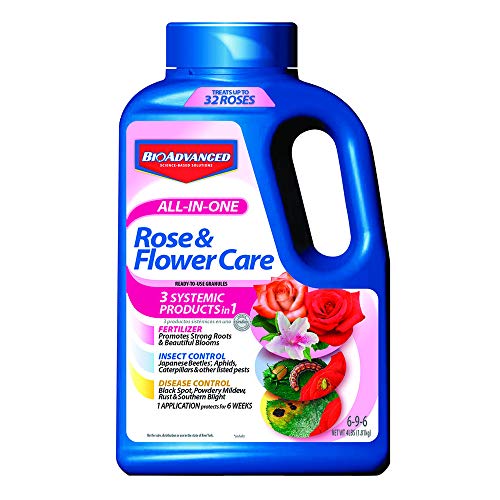
BioAdvanced combines feeding with pest and disease defense. The granules promote strong roots and vibrant blooms on a range of flowering plants, including roses. The product also offers protection against common pests such as adelgids and aphids, along with defense against diseases like Black Spot and Powdery Mildew, helping maintain plant health after pruning.
Miracle-Gro Water Soluble Rose Plant Food

This rose-focused feed starts to work immediately, feeding roses when applied and encouraging bigger, more beautiful blooms. It’s designed to be used every 7 to 14 days, providing a quick-response option for gardeners who want fast results after pruning. The formula helps promote robust growth and vibrant color across rose varieties.
Espoma Organic Rose-Tone 4-3-2
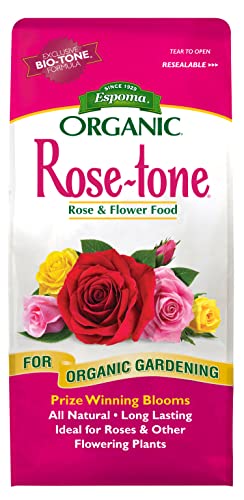
Espoma Rose-Tone provides a balanced organic formula with a 4-3-2 NPK ratio and 5% calcium. It’s designed specifically for roses and other flowering plants, delivering nourishment through the growing season with monthly feedings. The product emphasizes natural ingredients and a soil-friendly approach, helping support healthy green growth and abundant blooms after pruning.
Buying Guide: Key Purchase Considerations
- Feeding speed: If you want quick results after pruning, choose water-soluble or fast-acting granular formulas. For steady, ongoing nutrition, consider controlled-release or organic options.
- Organic vs. synthetic: Organic fertilizers tend to improve soil structure and microbial health, but synthetic blends can produce faster visible results. Match your gardening philosophy and soil needs.
- NPK balance: Roses typically benefit from balanced or slightly higher phosphorus and potassium to support blooms (for example, 3-4-3 or 4-3-2 ranges). Adjust based on leaf color, growth rate, and bloom quality.
- Soil compatibility: Conduct a soil test if possible. Soil pH, organic matter, and existing nutrient levels influence fertilizer choice and timing.
- Application timing: Apply after pruning as new growth begins, and follow recommended intervals to avoid fertilizer burn. In hot climates, adjust frequency to prevent nutrient stress.
- Watering needs: Fertilizers work best with adequate soil moisture. Ensure consistent watering after application to help nutrients reach the root zone.
- Plant health considerations: If pests or disease are a concern, select products that offer some protective benefits or pair with an integrated pest management plan.
Across these options, gardeners can tailor a post-pruning feeding strategy to their rose varieties, climate, and personal preferences. Whether prioritizing rapid bloom production, organic soil health, or disease resistance, the listed products provide credible pathways to healthy, flourishing rose bushes throughout the growing season.