Indoor plants rely on steady, well-balanced nutrition to thrive in low-light environments and compact containers. This guide highlights five trusted liquid fertilizers that suit a range of houseplants—from foliage lovers to flowering varieties. Each option offers a distinct nutrient profile, ease of use, and compatibility with common indoor gardening needs. Read on to compare formulas, application methods, and what to consider when choosing the right liquid plant food for your home greens.
| Product | Brand | Nutrient Ratio (approx.) | Best For |
|---|---|---|---|
| FoxFarm Big Bloom | FoxFarm | 0-0.5-0.7 | Blooms, fragrance, and fruiting plants |
| Miracle-Gro Indoor Plant Food | Miracle-Gro | Everyday indoor feeding | All houseplants, including snake plants and peace lilies |
| Easy Peasy Indoor Plant Food | Easy Peasy | 4-3-4 | High-concentration indoor feeding |
| Purived All-Purpose Liquid Plant Fertilizer | Purived | All-purpose blend | Indoor and outdoor potted plants |
| Espoma Organic Indoor Plant Food | Espoma | Organic, plant-based | Organic care, safe around kids and pets |
Choosing the right liquid plant food involves assessing plant type, container size, and how often you water. Below, five products are examined for their nutrient profiles, ease of use, and suitability for common indoor scenarios. This overview helps you balance growth, flowering, and overall plant health without over-fertilizing.
FoxFarm Big Bloom Plant Food

FoxFarm Big Bloom is a liquid fertilizer designed to support flowering and fruiting across a range of indoor and outdoor plants. Its micro-brewed formula includes earthworm castings and bat guano, delivering micronutrients that enhance bloom production, aromatic compounds, and flavor intensity in herbs. While it is described as all-purpose for flowers, fruits, and vegetables, its emphasis on blooms makes it a preferred choice for balcony tomatoes, flowering houseplants, or herbs destined for culinary use. The product claims to strengthen roots and improve essential oil production, contributing to more vibrant, fragrant blooms over time. Use as directed for steady feeding during active growth periods.
Miracle-Gro Indoor Plant Food

Miracle-Gro Indoor Plant Food is formulated to feed a wide variety of houseplants in containers, including flowering varieties and foliage favorites. This liquid plant food is designed for instant feeding, providing nutrients readily available to roots and stems. The product is described as suitable for all indoor container plants, including snake plants, croton, peace lilies, and herbs. With a focus on quick results, it suits busy households or novices who want reliable, rapid nutrient delivery without complex schedules. Always follow label directions to avoid over-fertilizing sensitive species.
Easy Peasy All-Purpose Indoor Plant Food

Easy Peasy offers a high-concentration indoor plant fertilizer with a balanced 4-3-4 nutrient blend. The product highlights a minimal dosing requirement—only about half a teaspoon per watering—making it a convenient option for busy plant owners. It is marketed as specifically formulated for indoor potted plants and emphasizes long-lasting value compared with other liquid fertilizers. For households with multiple containers or larger plant collections, this product can simplify routine feeding while delivering essential macronutrients and micronutrients that indoor plants crave.
Purived 16oz All-Purpose Liquid Plant Fertilizer

Purived All-Purpose Liquid Plant Fertilizer offers a value-conscious option formulated to feed indoor and outdoor potted plants. The 16-ounce bottle is marketed as yielding up to 50 gallons when diluted, underscoring its efficiency for households with many pots or frequent feedings. The product emphasizes easy preparation: mix a capful per gallon of water to feed instantly. The formulation is designed to be odorless and suitable for a wide range of houseplants, making it convenient for mixed plant collections that include foliage and flowering varieties.
Espoma Organic Indoor Plant Food
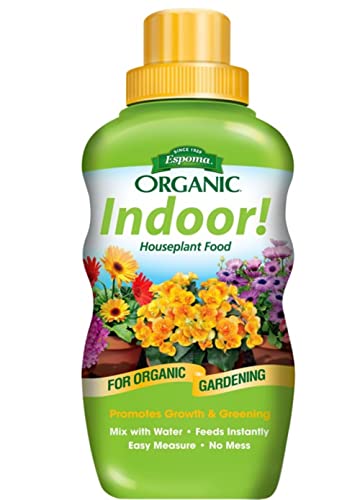
Espoma Organic Indoor Plant Food emphasizes organic nutrition, providing a plant-safe option for households seeking natural, pet- and child-friendly care. This liquid fertilizer is designed to be mixed with water and drenched into soil, supporting a broad range of houseplants—especially those that benefit from organic nutrient inputs. The label recommends regular use every 2-4 weeks for best results, ensuring a steady supply of essential nutrients to keep plants vibrant without synthetic additives. It is well-suited for growers prioritizing organic care standards in indoor environments.
Buying Guide: Key Considerations For Indoor Plant Fertilizers
- Plant type and growth stage: Flowering plants often benefit from higher phosphorus early in bloom, while foliage plants prefer balanced nitrogen for lush leaves. For herbs and edible greens, look for micronutrients that support oil and flavor production.
- Nutrient profile: Decide between high-nitrogen (foliage), balanced 4-4-4 to 3-3-3 mixes, or higher phosphorus for blooms. Check the label for N-P-K ratios and micronutrient additions like iron or magnesium.
- Concentration and dosing: High-concentration formulas save space and weight but require careful measurement. Consider whether you prefer single-dose bottles or larger volumes with precise dilution instructions.
- Organic vs. synthetic: Organic options reduce synthetic additives and may suit households with kids or pets. Synthetic blends can deliver faster results but may require more careful application to avoid salt buildup.
- Ease of use: Pre-mixed liquid concentrates that feed instantly are convenient but may demand more frequent applications. Some products offer “ready-to-use” formats or simple dilution ratios for beginners.
- Container size and cost per feeding: Compare bottle size, dilution rate, and coverage (gallons per bottle) to estimate ongoing costs for larger plant collections.
- Safety and compatibility: Ensure the product is labeled for indoor use and safe for common species such as pothos, peace lilies, snake plants, ficus, and ferns. Organic options should be free of synthetic carriers that could irritate sensitive plants.
- User reviews and brand reputation: Look for products with consistent performance across similar plant types and environments. Brands with transparent ingredient lists and clear dosing instructions tend to offer reliable results.
- Environmental and disposal considerations: Some products advertise eco-friendly formulations or responsibly sourced ingredients. Consider disposal guidelines for containers and packaging.
- Allergen and odor factors: If odor sensitivity is a concern in living spaces, opt for odorless or low-odor formulas and consider applying near non-living areas when possible.
When using any liquid plant food, begin with the minimum recommended dose and monitor plant response over 2–4 weeks. Look for signs of over-fertilization, such as leaf burn, browned tips, or slowed growth, and adjust accordingly. Rotate feeding among different plant groups if you maintain a diverse collection to prevent nutrient imbalances. Always water thoroughly after applying concentrated solutions to avoid salt buildup in the soil.