Choosing the right soil for poinsettias helps ensure vibrant foliage and sturdy root systems during the holiday season and beyond. The following picks are tailored for indoor containers and balcony setups, balancing drainage, moisture retention, and nutrient delivery. Each option is evaluated for how well it supports poinsettias and similar foliage plants, with notes on gnats resistance, pH balance, and organic versus synthetic feeding. Use this guide to match soil to your poinsettia’s needs and local growing conditions.
| Product | Why It Stands Out |
|---|---|
| Miracle-Gro Houseplant Potting Mix | Indoor-friendly, less gnats-prone, balanced for decorative houseplants |
| Miracle-Gro Organic Indoor Potting Mix | OMRI-listed options, protects against over/under watering, for varied houseplants |
| Rosy Soil Indoor Potting Soil | Biochar enrichment for robust roots, reduces wilting, peat-free option |
| Old Potters All-Purpose Growing Media | Heavier mix with peat, perlite, and humus for stability in containers |
| Michigan Peat Garden Magic | Ready-to-use top soil blend, great moisture management |
Miracle-Gro Houseplant Potting Mix

Miracle-Gro Houseplant Potting Mix is designed for indoor gardening by providing essential nutrients and a structure that supports root growth in compact containers. This mix emphasizes a balance of perlite, sphagnum, and peat moss to promote drainage while retaining enough moisture for stable poinsettia growth. The formulation is intentionally less prone to gnats, a frequent problem in indoor soil, making it a practical choice for holiday arrangements that stay indoors for longer periods. For poinsettias with a penchant for bright foliage, a well-aerated medium helps prevent soggy roots and yellowing leaves.
Key features include: indoor-friendly ingredients tailored for common houseplant species, reduced gnat activity, and a go-to option for homeowners who want reliable performance with minimal maintenance. While not specifically branded for poinsettias, its balanced nutrient delivery supports seasonal color retention when paired with appropriate watering schedules. This mix is suitable for pots of various sizes, from small containers to larger decorative planters.
Miracle-Gro Organic Outdoor Potting Mix

Although marketed for outdoor use, this mix offers a robust nutrient profile that can benefit container-grown poinsettias when used in sheltered, well-drained spaces. It includes a quick-release natural fertilizer and feeds plants for up to two months, supporting active growth through the poinsettia’s short-day season. The OMRI-listed status signals organic suitability for environmentally conscious households. This blend is ideal when you need a reliable, nutrient-dense medium for larger pots or when you’re integrating outdoor-friendly containers with winter protection.
Considerations include adjusting watering to prevent soggy soil, especially in indoor settings where humidity and airflow differ from outdoor conditions. It’s compatible with a range of container plants beyond poinsettias, including herbs and decorative annuals, which can simplify mixed-planter arrangements for holiday displays.
Old Potters All-Purpose Growing Media

This heavier, pre-moistened soil blend prioritizes stability, making it well-suited for larger poinsettias or taller container arrangements where the plant needs extra substrate weight to stand upright. Composed of coarse Canadian sphagnum peat moss, perlite, and rich humus, it provides a robust base that supports root vigor and long-term growth. The added limestone helps regulate pH and electrical conductivity, which can influence nutrient availability for poinsettias. It’s a practical choice for gardeners who want a single mix that holds up in heavier pots or windy indoor environments.
In practice, this mix shines in durable planters where poinsettias are displayed as statement pieces. Edges of the pot may benefit from top-dressing with a light layer of the same mix to reduce erosion when watering. For growers seeking a stable, slow-charging medium, this blend offers dependable results with careful irrigation planning.
Miracle-Gro Potting Mix For Containers

This 2-pack of Miracle-Gro Potting Mix is designed to feed container plants for up to six months, potentially extending bloom integrity for poinsettias during display periods. Each bag is sized to fill several 8-inch containers, making it convenient for seasonal arrangements that require multiple pots. The mix’s nutrient delivery supports flowering plants, which can help maintain the poinsettia’s bract color and leaf vitality between watering cycles. This option is especially useful for enthusiasts who routinely refresh planters for holiday color.
Users should monitor for signs of over-fertilization, such as leaf tip burn or overly rapid growth, particularly in compact indoor pots. A balanced feeding plan, paired with proper light exposure, ensures poinsettias maintain vibrant color without stressing the root system.
Miracle-Gro Indoor Potting Mix (2-Pack)
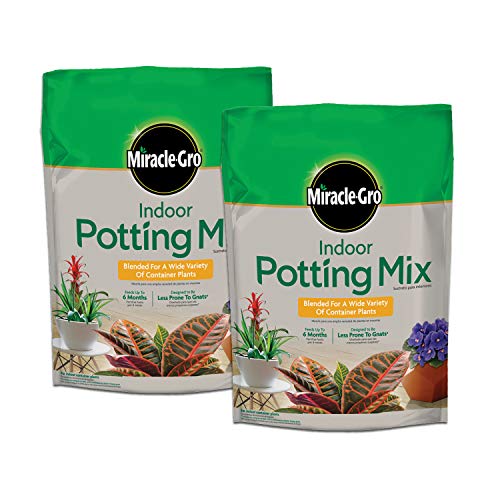
Miracle-Gro Indoor Potting Mix is blended for a wide variety of houseplants, including flowering varieties, and offers a six-month feeding window. The two-pack format suits homeowners who maintain multiple poinsettia specimens or experiment with complementary indoor plants in a shared display. The bag contents are designed to fill several containers, providing an easy setup for holiday arrangements with consistent soil quality. This option balances moisture retention with drainage to support stable root health during the plant’s dormancy and growth cycles.
For best results, pair this mix with proper container drainage and seasonal light management. Regular pruning and careful watering help sustain the poinsettia’s colorful bracts and green foliage throughout winter months.
Miracle-Gro Organic Indoor Potting Mix (2-Pack)

This OMRI-listed organic mix protects indoor plants against both overwatering and underwatering by leveraging sphagnum peat, coir, and a quick-start natural fertilizer. It’s suitable for a broad range of indoor container plants, including houseplants and herbs, and is well-suited for poinsettias in homes that prioritize organic amendments. The mix supports seed starting as well, which can be relevant for growers who propagate poinsettias or companion herbs indoors. The organic profile appeals to buyers seeking eco-friendly options without sacrificing performance.
When using organic mixes, monitor soil moisture more closely, as organic components can behave differently from synthetic mixes. A consistent watering routine aligned with pot size, plant size, and ambient humidity helps protect poinsettia health and bract coloration.
Rosy Soil Indoor Potting Soil

Rosy Soil’s indoor potting mix is enriched with biochar and pine bark fines to foster robust root systems and balanced moisture. The peat-free formulation aligns with sustainability goals while supporting living soil dynamics. Designed to be less prone to gnats, this mix emphasizes healthy microbial activity that benefits a broad spectrum of houseplants, including poinsettias. It’s especially appealing for growers who want a peat-reduced option without compromising drainage or nutrient availability.
The blend’s enhanced drainage helps prevent root rot in compact pots, but users should still tailor watering to the container and climate. The mix supports vigorous growth while maintaining a resilient, soil-life-driven root environment for poinsettias and other foliage plants.
Buying Guide: Key Purchase Considerations For Poinsettias
- Drainage and moisture retention: Poinsettias dislike waterlogged roots. Look for mixes with perlite or coarse peat to improve aeration while maintaining adequate moisture between waterings.
- pH and nutrient balance: Aim for a slightly acidic to neutral medium (pH around 5.5–6.5). Fertilizer timing matters; use a balanced or poinsettia-appropriate fertilizer during active growth, following package directions.
- Organic vs. synthetic: Organic blends support living soil and may appeal to eco-conscious buyers, but synthetic blends often deliver predictable, long-lasting nutrients. Choose based on preference and plant response.
- Gnat resistance: Indoor soils can invite fungus gnats. Soils labeled as less prone to gnats or those with biochar or coco coir components may help reduce issues.
- Container size and potting depth: For poinsettias, a stable mix with some heft can prevent toppling in larger containers. Consider heavier blends for tall or wide pots.
- Compatibility: Ensure the soil suits a range of indoor plants if you plan to mix poinsettias with other foliage plants in the same display.
- Organic certifications: If you prefer OMRI-listed products, verify the label to confirm organic suitability and compliance with your growing standards.
In selecting the best soil for poinsettias, balancing drainage, moisture, and nutrition is crucial. The options above provide a spectrum from peat-based, heavier mixes for stability to peat-free and organic blends focusing on environmental sustainability and living soil. For most indoor setups, a well-draining, moderately rich mix with consistent watering and adequate light will help poinsettias maintain colorful bracts and healthy green leaves throughout the season.