Choosing the right compost can improve soil health, boost nutrient availability, and support robust plant growth. This guide highlights five trusted options that align with common American gardening needs, from odor-free indoor-friendly blends to nutrient-rich organics ideal for vegetables, flowers, and lawns. Each product is evaluated on soil improvement, nutrient content, odor, and ease of use to help you decide what works best for your garden.
| Product | Key Benefit | Best Use |
|---|---|---|
| Jobe’s Organics Fast Acting Granular Fertilizer Compost Starter | Speeds composting; 4-4-2 NPK | Outdoor piles; vegetables, flowers |
| Charlie’s Compost | Low-odor; improves soil structure | Urban gardens; raised beds; seed starting |
| R&M Organics Premium Organic Compost | All-purpose, derived from dairy cow manure | Fruits, vegetables, flowers, lawns, trees |
| Old Potters Organic Compost | 100% organic; plant-based | Indoor and outdoor gardens; soil health |
| Organic Compost 1 Gallon | OMRI Listed; ready-to-use | Soil amendment in varied beds |
Jobe’s Organics Fast Acting Compost Starter

Overview: This granular compost starter accelerates the composting process and is suitable for outdoor piles. Its 4-4-2 NPK formulation provides vegetables, plants, and flowers with essential nutrients to promote vibrant foliage and better yields. The product contains no synthetic chemicals and is OMRI listed for organic gardening by the USDA, aligning with organic growing standards. Use it to jump-start your pile or to enrich finished compost for quicker soil readiness. When applying, follow bag directions to avoid over-application and ensure even distribution throughout the pile.
Charlie’s Compost

Overview: Charlie’s Compost emphasizes enriched soil conditioning and a low-odor profile, ideal for indoor use or compact outdoor spaces. The formulation supports healthier plant growth by adding essential nutrients and improving soil structure, making it a solid choice for seed starting mixes and home garden soil amendments. The product is designed to be odor-friendly for urban environments, reducing potential disturbance for neighbors while nourishing roots and microbial life in the soil. It also enhances a composter’s efficiency through microbial action in the mix.
R&M Organics Premium Organic Compost
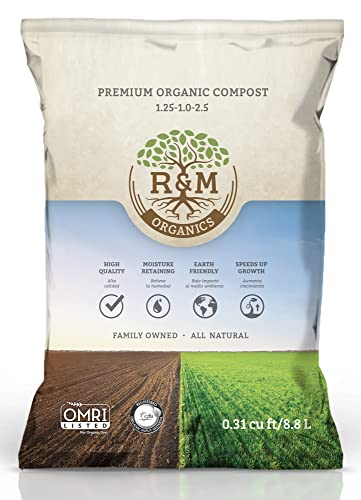
Overview: This all-purpose compost is derived from 100% dairy cow manure, designed to deliver essential nutrients to soil for fruits, vegetables, flowers, lawns, and trees. A small amount — roughly a quarter inch — can refresh existing gardens and beds, with the product also suited for new plantings. The compost passes a low-odor standard and undergoes continuous aeration during processing to minimize smell and alkaline residues, making it suitable for indoor use as well as outdoor beds. It emphasizes nutrient delivery and soil conditioning with practical application guidance.
Old Potters Organic Compost

Overview: Old Potters offers a plant-based potting soil that serves as a complete organic fertilizer for home and garden use. It boosts soil health through improved aeration, water retention, and nutrient availability, supporting stronger plant growth. As an eco-friendly option, it recycles organic waste into rich compost, aligning with sustainable gardening practices. Suitable for indoor and outdoor applications, this product emphasizes safe, chemical-free growth without sacrificing performance.
Organic Compost 1 Gallon
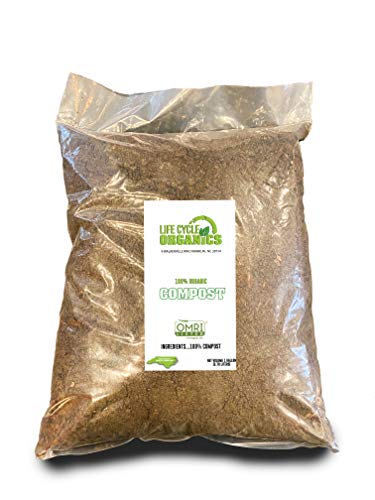
Overview: Life Cycle Organics offers an OMRI-listed organic compost with straightforward, ready-to-use packaging. This option emphasizes ease of use for gardeners acclimating to organic amendments, providing a reliable soil amendment that enhances nutrient availability and soil health. It is suitable for a broad range of planting scenarios, from raised beds to container gardens, helping to support plant vitality across diverse crops.
Buying Guide: Key Purchase Considerations And Comparisons
- Nutrient content and balance: Look for compost with balanced NPK values or nutrient-rich compositions that match your plant types. For heavy feeders like tomatoes and leafy greens, higher nitrogen and phosphorus content can support robust growth, while a balanced mix supports overall soil health.
- Soil health and structure: Choose compost that improves soil aeration, water retention, and microbial activity. Organic, well-aerated blends promote root development and beneficial soil biology.
- Organic certification and safety: If you garden with organic principles, prioritize OMRI-listed products or USDA organic-listed blends to minimize synthetic inputs.
- Odor and indoor suitability: For apartments or indoor containers, odor-free or low-odor compost options help maintain a pleasant growing environment while still delivering nutrients.
- Applications and usage: Consider whether you need compost for seed starting, raised beds, containers, or soil amendments. Some products are designed for quick pile activation, while others are blends for ongoing soil conditioning.
- Environmental impact: Recycled or plant-based composts support sustainable gardening by repurposing organic waste into rich soil amendments, reducing reliance on synthetic products.
- Application rate and ease: Follow guidelines for the correct amount to avoid nutrient burn or waste. Easy-to-use formats (granular starter, ready-to-use blends) save time and reduce guesswork.
In choosing the right compost, consider your garden type, climate, and the crops you grow. A soil test can help determine whether your beds need more organic matter, nutrients, or improved structure. Combining a high-quality compost with appropriate mulch, proper watering, and regular soil monitoring yields the best long-term results for plant health.