Choosing plants that thrive in full sun means prioritizing varieties that can handle intense daytime heat and bright light. This guide highlights five reliable options that perform well with all-day sun, from flowering shrubs to sun-loving perennials and seed-grown beauties. Each selection includes practical details on growth habits, ideal planting spots, and how they contribute to a vibrant outdoor or entryway landscape. Read on to compare sun requirements, bloom potential, and maintenance needs to find the best fits for your sunlit spaces.
| Product | Type | Sun Exposure | Key Appeal |
|---|---|---|---|
| Perfect Plants Frostproof Gardenia | Live Plant | Full sun to partial shade | Fragrant white flowers, evergreen-like foliage |
| Encore Azalea Autumn Royalty | Azalea Shrub | Full sun to partial shade | Reblooming pink-purple blooms, evergreen-like structure |
| HOME GROWN Sunflower Seeds Mix Pack | Flower Seed Mix | Full sun | Colorful, tall varieties, pollinator-friendly |
| Seed Needs Mammoth Sunflower Seeds | Seed | Full sun | Giant height, abundant seed heads |
| Southern Living Stella Daylily | Daylily | Full sun | Reliable bloom, easy to care for |
Perfect Plants Frostproof Gardenia Live Plant
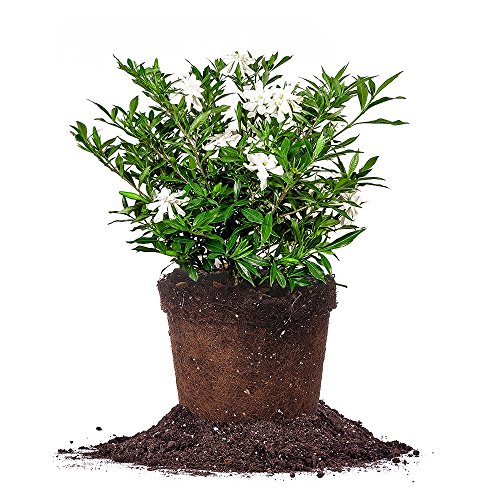
Gardenias are prized for their fragrant flowers and glossy foliage, making them a logical choice for sunny entryways and garden beds that receive strong daylight. The Frostproof Gardenia is described as a 1-gallon live plant suited for full sun with partial shade during parts of the day, which helps reduce leaf scorch in hotter climates. The plant features deep green, spindle-shaped leaves and white blossoms that emerge each spring and summer, delivering a refreshing aroma to outdoor living spaces. When planted in mulch beds along driveways or near seating areas, these shrubs can act as a natural fragrance border for visitors.
In practical terms, positioning is important: select a sun-soaked spot with well-draining soil, and supplement with a balanced plant fertilizer to support vibrant bloom cycles. Gardenias prefer consistent moisture but dislike soggy conditions, so a drip irrigation setup or evenly watered soil helps maintain healthy growth. Given their bloom habit, pruning after flowering can help maintain a tidy shape and encourage next-season flowering. This cultivar’s fragrance and classic white blooms suit cottage gardens, entryways, and dedicated fragrance gardens where visitors are greeted by scent as they approach the home.
Encore Azalea Autumn Royalty
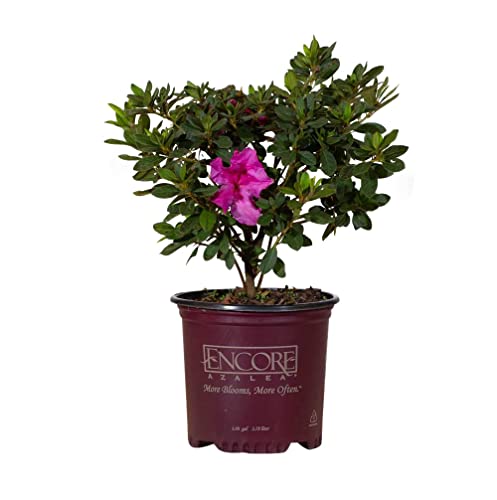
The Encore Azalea Autumn Royalty is a reblooming purple azalea noted for its extended color display across multiple seasons. This evergreen-inspired shrub thrives in sunny to partially shaded areas and can mature to a horizontal footprint of several feet, depending on spacing and pruning. The listing emphasizes a dense growth habit with large pink-toned blooms during peak bloom periods, attracting pollinators like butterflies and bees. Gardeners can use Autumn Royalty as a focal point along walkways or foundation plantings to create a bright vertical accent by summer and into fall.
Maintenance for azaleas includes selective pruning after flowering to preserve bud formation for the next season and to maintain a balanced shape. It is advisable to water deeply and mulch to conserve soil moisture in hot summer months. Given its full-sun tolerance, this azalea can anchor planting schemes that require a reliable, year-round presence with seasonal color enhancements. Early-season pruning should be avoided to protect the developing buds that form for the next round of blooms.
HOME GROWN Sunflower Seeds Mix Pack

This seed pack offers a vibrant blend of 1,508 sunflower seeds designed for full sun gardens. The mix is suitable for beginners and seasoned gardeners alike, providing tall varieties that can range from compact 2-foot dwarfs to towering 10-foot giants depending on the seed selections. Beyond beauty, sunflowers support biodiversity by attracting pollinators, with blooms providing nectar for bees and butterflies. Planting these seeds in flower beds or along borders creates a dramatic focal point while sustaining local pollinator populations during the growing season.
Growing sunflowers from seed offers a quick payoff, as many varieties germinate quickly and reach peak height within a single growing season. Gardeners should prepare well-draining soil, choose a sturdy stake or support for taller stems, and ensure consistent moisture during germination and early growth. This pack’s broad range of heights makes it versatile for garden borders, fences, or containers that receive uninterrupted sun throughout the day.
Seed Needs Mammoth Sunflower Seeds

Seed Needs Mammoth Sunflower Seeds promise tall, dramatic growth with large flower heads that follow the sun across the sky. The seeds are described as a bulk option for growing giant sunflowers that can reach heights of at least 7 feet, making them a standout feature in any sunny garden or landscape border. In addition to their visual appeal, these sunflowers produce seeds suitable for roasting, offering a culinary bonus for gardeners who enjoy homegrown snacks. Birds are often drawn to the seeds once flowers fade, supporting local wildlife even as petals drop.
For best results, sow in full sun with well-draining soil and ample space for the tall stalks to develop. Support may be necessary for the tallest plants to prevent lodging in windy conditions. While Mammoth Sunflowers are relatively low maintenance, removing spent flowers and providing consistent moisture during germination can improve germination rates and overall plant vigor. This option is ideal for bigger garden borders, pollinator plots, and visual anchors near fences or trellises.
Southern Living Stella Daylily

The Evergreen Stella Daylily from Southern Living is a dependable option for sunny beds and borders. Daylilies are known for their hardy nature, with foliage that remains attractive even when not in bloom. Stella Daylily typically features a compact-to-medium clump size and blooms reliably in mid to late summer, providing a vivid color splash in yellow tones that contrast nicely with green foliage. Daylilies are adaptable to a range of soil conditions, though they prefer well-draining soil and regular watering during peak heat to keep blooms coming consistently through the season.
For landscape design, plant Stella Daylilies in mass for a bold color block or mix with taller perennials to create layered interest. Because daylilies are relatively pest-resistant and low-maintenance, they are often chosen for modern mixed borders or low-water garden palettes. Regular deadheading and dividing older clumps every few years help maintain vigorous growth and bloom density. This variety’s sunlight tolerance and ease of care make it a reliable pick for all-day sun positions.
Buying Guide: How to Choose All-Day Sun Plants
- Sun exposure accuracy: Match plants to the most intense daylight areas—full sun typically means 6+ hours of direct sun per day. If a site experiences hot afternoon sun, consider using mulch to retain soil moisture and reduce heat stress.
- Soil and drainage: Ensure well-draining soil. Amending heavy clay with organic matter or adding compost improves structure and root health for sun-loving species.
- Watering needs and drought tolerance: Some sun lovers demand steady moisture, while others tolerate drought once established. Plan drip irrigation or soaker hoses for efficient watering in hot climates.
- Bloom cycles and maintenance: Flowering shrubs like gardenias and azaleas bring fragrance and color but may require pruning after bloom. Perennials such as daylilies and sunflowers offer ongoing color with less intensive maintenance.
- Pollinator-friendly choices: Species that attract bees and butterflies, such as sunflowers and flowering shrubs, contribute to garden biodiversity and provide ecological benefits beyond aesthetics.
- Space planning: Tall plants (sunflowers, daylilies) may need staking or spacing to prevent crowding and ensure air circulation to reduce disease risk.
- Climate considerations: Select cultivars suited to your USDA hardiness zone and local heat patterns. For heat-prone regions, select heat-tolerant varieties and provide afternoon shade if necessary.
Overall, the featured selections offer a practical mix of fragrance, color, height, and wildlife value for sunny spaces. Gardenia and azalea provide fragrant focal points with scented blooms, while sunflowers and daylilies deliver dramatic color and reliable performance. A well-planned combination of these sun-loving plants can create a vibrant, low-stress outdoor space that remains attractive from spring through late summer and into early fall.
Notes on Planting and Care Considerations
- Timing: Plant after the danger of frost has passed in your area for shrubs and perennials; sow seeds in appropriate planting windows for each variety.
- Soil preparation: Work in organic matter and ensure proper drainage to minimize root-related issues in full sun.
- Fertilization: Use balanced fertilizer according to product directions, adjusting for soil tests if available.
- Pest and disease vigilance: Monitor for common sun-loving plant pests and diseases, and implement cultural controls before resorting to chemicals.
- Water management: In hot climates, morning watering reduces evaporation and helps prevent fungal issues on crowded plantings.