Carnivorous plants add a dramatic, living touch to indoor spaces while offering natural insect control and fascinating growth habits. This guide highlights five reliable options that perform well indoors, with care tips, growth expectations, and practical buying considerations. Each selection is chosen for accessibility, healthiness in typical home environments, and clear value for budding or seasoned plant enthusiasts alike.
Overview of chosen products:
| Product | Brand | Key Benefit |
|---|---|---|
| BubbleBlooms Carnivorous Plant Assortment Set | BubbleBlooms | Varied species in small pots for diverse indoor display |
| Set of 2 Cape Sundews (Drosera Capensis) | Bellawood Horticulture | Beginner-friendly Sundews with a compact kit |
| Perfect Plants Carnivorous Plant Soil | Perfect Plants | Premium growing mix for long-term moisture and drainage |
| Venus Fly Trap Plant Pet Friendly | JitoHouse | Pet-safe, interactive bug catcher for homes |
| Miranda Carnivorous Pitcher Plant | Wellspring Gardens | Exotic, mature pitcher plant suitable for indoors |
BubbleBlooms Carnivorous Plant Assortment Set

The BubbleBlooms assortment offers five live carnivorous plant species in compact 2-inch pots, including Nepenthes, Sarracenia, Dionaea, and Drosera. This diversity makes it ideal for indoor displays with varying growth forms and trap styles. The set emphasizes careful winter protection and eco-friendly packaging to ensure safe arrival in cooler regions. For indoor use, maintain bright, indirect light and rely on rainwater or distilled water to protect delicate root systems. This option is particularly appealing to collectors who want a starter collection with visual variety.
Cape Sundews Set Of 2

Drosera capensis, commonly known as Cape Sundews, are a staple for beginners and experienced growers alike. The kit includes two live sundews, two pots, long-fiber sphagnum moss, and a water tray, simplifying immediate propagation and care. Sundews thrive in bright, indirect light and appreciate distilled or rainwater to prevent mineral buildup. They prefer a humid environment and can adapt to typical indoor rooms with regular misting. The included materials help maintain humidity and moisture, supporting robust growth and active trapping behavior over time.
Perfect Plants Carnivorous Plant Soil
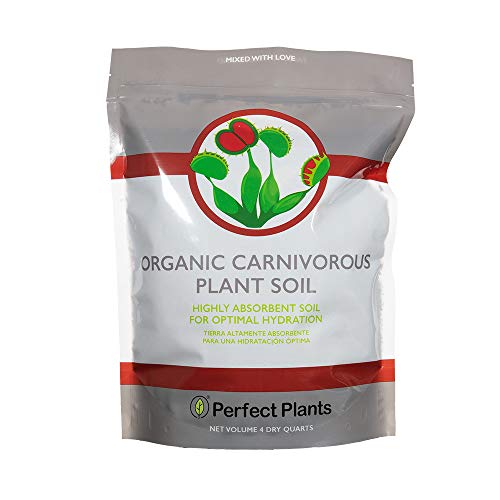
This 4-quart organic mix is designed for long-term moisture control and improved drainage, supporting a range of carnivorous plants—from Venus flytraps to sundews and pitcher plants. The soil blend emphasizes acid-friendly conditions that suit carnivorous roots, helping to prevent waterlogging and root rot. Professionals and hobbyists alike can rely on this medium to stabilize soil chemistry, enabling healthier root systems and sustained growth. It’s particularly useful when transplanting or repotting established specimens that require a fresh, nutrient-conscious substrate.
Venus Fly Trap Plant Pet Friendly
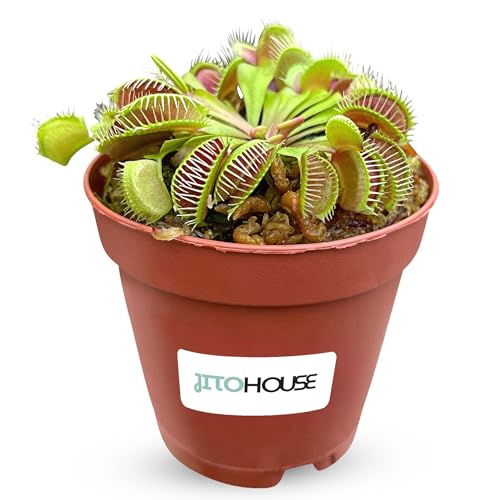
The Venus flytrap from JitoHouse offers an engaging, pet-friendly indoor carnivorous option. The plant’s traps respond to physical stimuli, providing a dynamic display while catching insects that enter the home. To keep it healthy, maintain bright, indirect light and use distilled or rainwater to avoid mineral buildup. The pot size (2 inches) makes it easy to place on windowsills, desks, or terrariums. Regular feeding is not required; adults often manage with live or occasional prey, depending on the plant’s vigor and the environment.
Miranda Carnivorous Pitcher Plant

The Miranda pitcher plant from Wellspring Gardens provides a unique, exotic option for indoor growing. Reaching a visually striking size with large, colorful pitchers, this plant thrives in bright, indirect light and higher humidity. Keep soil consistently moist and transplant into larger containers as it grows. Miranda plants are best suited for spaces with stable temperatures and consistent care, making them ideal for dedicated plant rooms or living areas where humidity can be controlled. This species contributes a dramatic architectural element to any indoor carnivorous plant collection.
Buying Guide: Key Considerations For Indoor Carnivorous Plants
- Light and location: Most carnivorous plants prefer bright, indirect light. Windowsills with filtered sun or artificial grow lights work well. Avoid harsh, direct sun that can scorch leaves or cause overheating in enclosed spaces.
- Water quality: Use rainwater or distilled water to prevent mineral buildup that can harm sensitive roots and reduce trap efficiency. Do not rely on tap water for most carnivorous species.
- Humidity and airflow: Moderate humidity helps, especially for sundews and pitcher plants. Ensure good air exchange to prevent mold and fungal issues, particularly in enclosed terrariums or small pots.
- Soil and potting mix: Use purpose-made carnivorous plant soil or mixes with high organic content and excellent drainage. Avoid standard potting soil, which can retain too much moisture and harbor salts.
- Temperature ranges: Most indoor carnivorous plants prefer warm to temperate environments. Avoid sudden temperature drops and protect from cold drafts.
- Feeding considerations: Many plants derive nutrients from captured prey and may not require frequent feeding. Overfeeding, especially with fertilizer, can harm sensitive roots.
- Pet safety and handling: Some species are non-toxic to pets, but always research each plant’s specific safety profile. Handle delicate leaves and pitchers carefully to prevent damage.
- Growth expectations: Starter sets offer visual variety in small pots, but many carnivorous plants will grow into larger specimens with proper care. Plan for eventual repotting or relocation to accommodate growth.
- Maintenance routine: Regular watering, occasional misting for humidity, and routine checks for signs of stress (yellowing leaves, wilting, or slower trap activity) help sustain plant health.