Ferns thrive in low-light conditions, making them ideal for shaded yards, patios, and offices. This guide highlights five dependable shade-loving ferns and related resources to help gardeners select easy-care options that bring lush greenery to dim spaces. Each profile includes practical care notes, ideal placements, and key features to compare at a glance.
| Product | Brand | Key Benefit | Shade Suitability |
|---|---|---|---|
| Autumn Fern Plants Live Outdoor Plants | Plants for Pets | Versatile landscape edging and ground cover | Partial to full shade |
| American Plant Exchange Live Autumn Fern | American Plant Exchange | Copper-toned new growth, easy care | Partial to full shade |
| 3 Japanese Holly Fern | Daylily Nursery | Compact, classic fern for containers or borders | Partial shade |
| TriStar Boston Fern | TriStar Plants | Lush, air-purifying indoor/outdoor fern | Bright indirect shade |
| Fern Grower’s Manual | Timber Press | Comprehensive reference for cultivation | All levels |
Autumn Fern: Versatile Outdoor Fern For Shade
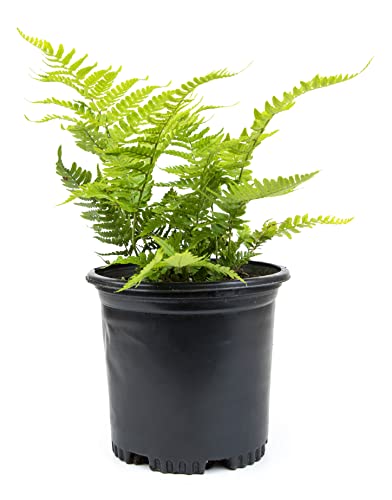
The Autumn Fern from Plants for Pets offers a durable option for edging paths, filling a ground-cover niche, or planting in pots for patios. This 1-gallon nursery plant is ready to establish in lightly acidic, moist soil and tolerates full shade once established. Its hardy nature supports quicker landscape integration, making it suitable for border rows or a privacy hedge along walkways. Gardeners can pair Autumn Fern with evergreen shrubs or spring bulbs to maintain year-round interest in shaded spaces.
Key features include: a robust, adaptable fern suitable for borders and planters; real nursery stock ready for immediate planting; compatible with traditional shade garden companions; and a growth habit that enhances shaded landscapes without demanding intensive care.
American Plant Exchange Autumn Fern

This Autumn Fern features copper-toned new growth that matures to a rich green, providing a warm accent in shaded landscapes. Known as a robust shade-loving fern, it adapts to containers, patios, or woodland garden beds. It thrives in partial to full shade with consistently moist, slightly acidic soil and temperatures generally ranging between 60–85°F. Easy maintenance makes it a suitable choice for both novice and experienced gardeners seeking decorative foliage and reliable coverage in dim light.
Highlights include: distinctive copper-new-growth color; versatile placement options from ground beds to containers; and straightforward care in typical garden shade conditions.
Fern Grower’s Manual

The Fern Grower’s Manual by Timber Press serves as a comprehensive reference for fern cultivation. It covers species selection, propagation, and growing conditions, making it a valuable resource for gardeners seeking to expand their shade garden knowledge. While not a live plant, this guide supports informed decision-making about species suitability, maintenance practices, and pest and disease management in fern collections.
Consider this as an educational companion for gardeners pursuing long-term shade garden planning and fern diversity. It complements practical experimentation with live ferns by offering cultivation strategies and identification tips.
Votaniki Anemone Blue Shades Bulbs

While not a true fern, these blue-flowered Anemone Blanda bulbs pair well with shade-tolerant foliage to create a complementary understory look. The plant forms a low-growing carpet of blue blooms with fern-like foliage accents. It’s a perennial option that self-seeds and naturalizes, ideal for border edges or rock gardens where shade pockets exist. Planting in partial shade helps achieve consistent spring color in a shaded landscape.
Key considerations include: compatibility with fern-rich borders; spring bloom timing; and a low-maintenance approach that blends with shade-adapted garden companions.
3 Japanese Holly Fern: Compact Shade Plant

This compact trio of Japanese Holly Ferns (Cyrtomium falcatum) is suitable for shaded borders, containers, or small garden beds. They are described as shade-loving, with careful placement needed during unusually hot or cold weather to minimize stress during shipping and establishment. Gardeners should plant in mid to late spring, avoiding hard frost periods, and follow recommended shipping and planting guidance tailored to local climate conditions. This fern provides dependable texture and evergreen structure in low-light areas.
Important notes include: mindful weather considerations; timing for optimal planting; and adherence to supplier shipping guidelines to protect plant health during transit and establishment.
TriStar Boston Fern In Hanging Basket

The TriStar Boston Fern (Nephrolepis exaltata) is a classic choice for shaded spaces, known for its cascading fronds perfect for hanging displays and shaded porches. Supplied in a 10″ hanging basket, this fern is ready to brighten patios and interiors with lush, air-purifying foliage. It thrives in bright, indirect light and requires protection from direct sun to prevent leaf scorch. Regular watering and moderate humidity help maintain vigor in warm environments, while cooler periods favor slower growth but preserve leaf quality.
Key aspects: robust, cascading fronds; convenient hanging basket setup; preference for filtered light; and a need for consistent moisture and humidity in warmer months.
Buying Guide: Shade-Friendly Ferns And How To Choose
- Light and placement: Most ferns prefer low to partial shade with indirect light. Avoid direct sun, which can scorch delicate fronds. Consider north- or west-facing patios, shaded borders, and woodland beds for best results.
- Soil and moisture: Ferns generally thrive in rich, well-draining soil that stays evenly moist. Use peat-based or organic soils with good moisture retention. Mulching helps regulate soil temperature and humidity.
- Hardiness and climate: Check zone compatibility and seasonal temperature ranges. Some ferns tolerate cooler nights, while others prefer milder conditions. Protect during extreme temperatures using shade cloths or containers moved indoors as needed.
- Container vs. ground: Potted ferns offer flexibility for patios and balconies, while ground-planted varieties provide year-round landscape coverage. Containers require more frequent watering but offer design versatility.
- Maintenance: Most shade ferns require minimal fertilization, typically in spring with a balanced, slow-release formula. Prune dead fronds to maintain a tidy appearance and prevent disease buildup.
- Companion planting: Combine ferns with shade-tolerant ground covers like hostas, impatiens, or burgundy-tinted foliage plants for layered interest. Pair with evergreen shrubs for year-round structure.
- Wildlife and safety: Choose species suited to your region and garden conditions. Some ferns attract specific pollinators or offer shelter to beneficial insects; avoid plants that may be toxic to pets in homes with curious animals.
- Care consistency: Regular watering, humidity management, and occasional misting support vibrant fronds. In containers, monitor soil moisture daily during hot weather and reduce watering in cooler periods.