The right soil pH is essential for a lush, healthy lawn. This guide highlights the best pH testing solutions for lawns, from quick home tests to more comprehensive mail-in kits. Each product below is chosen for accuracy, ease of use, and relevance to maintaining a lawn with optimal nutrient availability. Use these tools to determine whether your soil needs liming or acidifying, and to track changes over time as seasons shift or soil amendments are applied.
Summary Table — Top picks for lawn pH testing and recommendations
| Product | Type | Highlights | Ideal For |
|---|---|---|---|
| Jonathan Green 11595 | Soil pH Test Kit | 10 tests, quick results, lawn-focused | Lawn care pros and homeowners |
| Rapitest Soil Test Kit (Luster Leaf) | Home kit with capsules | 20 tests, color comparison system | Budget-friendly lawn testing |
| SONKIR MS02 3-in-1 | Soil moisture, pH, light tester | 3 functions, no batteries | Quick on-the-go lawn checks |
| IRTOV 4-in-1 | Moisture, pH, temperature, light | Large backlit LCD, multi-parameter | Detailed lawn monitoring |
| AiGerdinn 2-in-1 | Soil moisture & pH tester | Dual dial, no batteries, beginner friendly | Beginner lawn care |
Jonathan Green Soil pH Test Kit for Lawns

This kit is designed specifically for lawn applications, offering quick pH readings to guide lime or sulfur amendments. It claims accuracy within a 10-minute window and emphasizes the lawn-friendly pH range of approximately 6.2 to 7.0 for optimal grass growth. The package includes multiple tests to sample soil at several spots across a yard, which helps in obtaining a representative reading. For homeowners focusing on lawn health, this kit provides a straightforward, lawn-centric approach to soil testing.
Key features to note: fast results, lawn-specific guidance, and multiple tests to assess variability across a property. Use it as a baseline before seasonal lime applications or after major renovations to confirm soil pH trends over time.
Rapitest Soil Test Kit for Gardens, Lawns & More
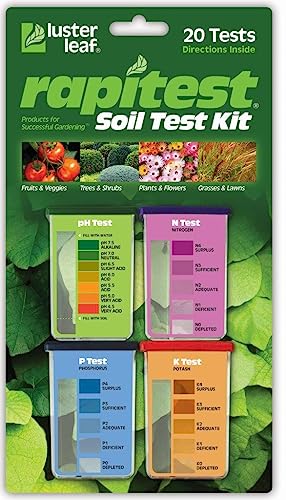
The Rapitest kit employs a capsule-based system with color comparators to determine pH along with essential nutrients. It is designed for broader garden use, including lawns, vegetables, and flowers, and comes with enough components for about 20 tests. The color-matching approach is accessible for beginners who want to understand soil chemistry without specialized equipment. For lawn care, it provides a practical, budget-friendly way to monitor pH as part of a broader soil health plan.
What to watch for: color interpretation accuracy can depend on lighting and user technique. Consider testing in daylight and following the included step-by-step instructions to minimize errors when evaluating pH and nutrient indicators.
SONKIR MS02 3-in-1 Soil Tester

SONKIR MS02 offers three functions in one handheld unit: soil moisture, soil pH, and sunlight level. It is non-battery powered and provides quick readings after inserting the probe into soil. The device is useful for homeowners who want an all-in-one quick check before lawn maintenance tasks like overseeding or reseeding. While it provides convenience, users should understand that the pH readings are approximate and best used for monitoring trends over time rather than precise laboratory-grade measurements.
Practical considerations: ensure soil is moist before testing for reliable moisture and pH readings. It is a good companion for routine lawn checks as part of an integrated lawn care routine, especially when you want a fast snapshot without collecting samples for lab analysis.
AiGerdinn 2-in-1 Soil pH & Moisture Tester

AiGerdinn presents a two-in-one design featuring simultaneous display of soil moisture and soil pH. The device uses a dual-dial readout and does not require batteries, making it beginner-friendly for homeowners managing lawns. The tool emphasizes ease of use and straightforward interpretation, with two dials providing quick readings as you insert the probe to a depth close to the root zone. It’s a practical option for seasonal lawn maintenance and for users who want to avoid battery replacements.
What this offers: a simple, battery-free solution for basic lawn pH tracking, paired with moisture readings to help determine irrigation needs and lime or sulfur adjustments as seasons change.
IRTOV 4-in-1 Soil Moisture Meter

IRTOV’s 4-in-1 model expands monitoring to include pH, moisture, plant temperature, and light intensity. The large backlit LCD provides easy reading day or night, and the device operates with batteries (AAA x 3) for consistent performance. This option suits gardeners who want a more comprehensive overview of soil and environmental conditions affecting lawn health, especially in challenging climates or during rapid seasonal transitions. The 2025 sensor technology is highlighted as delivering faster and more accurate measurements than traditional dial meters.
Considerations for use: battery management and occasional recalibration may be needed to maintain accuracy. The device’s multi-parameter approach supports data-informed decisions about liming, irrigation, and lawn maintenance routines.
Earth Science Fast Acting Lime

Earth Science Fast Acting Lime is a soil amendment rather than a tester. It is included here because pH management for lawns often involves lime to raise soil pH when conditions are too acidic for optimal nutrient uptake. This product is described as fast-acting, designed to raise soil pH and improve nutrient availability, with a long-lasting effect across a growing season. It’s a practical companion to testing kits, providing a corrective option when readings indicate acidic soil. Always follow label instructions and test soil pH after applying amendments to gauge effectiveness.
Important context: pH amendment strategies should be guided by soil tests and tailored to your lawn’s existing pH range and nutrient needs. Use lime only when tests show low pH that limits nutrient uptake to avoid over-liming.
Buying Guide: Key Considerations for Choosing a Lawn pH Test Kit
When selecting a soil pH test tool for lawns, consider accuracy, ease of use, and how well the device matches your lawn care goals. The following factors help you choose the right option for your situation.
Accuracy and scope: Lab-grade or mail-in kits like MySoil provide deeper nutrient analysis but require longer turnaround. For ongoing lawn maintenance, quick home tests from Jonathan Green, Rapitest, and 3-in-1 meters offer rapid guidance for timely decisions on lime, sulfur, or irrigation adjustments.
Number of tests and sampling strategy: Lawn health varies across a property. Kits with multiple test capsules or the ability to sample several spots provide a more representative picture. Consider whether you need a single reading or a broad survey.
Ease of use and readout: For beginners, user-friendly designs (dual dials, color comparators, or large LCD displays) reduce interpretation errors. Battery-free meters are convenient but may sacrifice some precision compared to digital devices with backlit displays.
Durability and soil compatibility: Choose meters built for outdoor use with robust probes. Ensure the device is designed for soil, not liquids, to avoid damage and inaccuracies.
Maintenance and data tracking: Some devices offer simple ways to track pH trends over seasons. If you want to monitor changes over time, pick a tool that allows easy note-taking or data export.
Budget and long-term value: Budget-friendly options are suitable for occasional checks, while more comprehensive kits are valuable for proactive lawn management and precise lime or sulfur applications. Balance cost with your lawn care goals and how often you plan to test.
Across the selected products, you’ll find a mix of quick-use meters and more detailed testing options. Use a combination to establish baseline soil pH, then monitor changes after amendments. Remember that maintaining a healthy lawn often involves a cycle of testing, amending, and re-testing to confirm improvements and sustain optimal growing conditions.