Poor soil conditions can hamper lawn, pasture, and garden success. Clover varieties offer nitrogen fixation, erosion control, and improved soil structure, making them ideal for rejuvenating tired ground. The following selections maximize germination, adaptability, and long-term soil health, while supporting wildlife and pasture needs.
The table below highlights five clover options selected for poor or variable soils. Each entry notes key benefits to help you compare quickly.
| Product | Best For | Notes |
|---|---|---|
| Red Clover Seed (Raw, 3000 Seed) | Soil enrichment, groundcover | Self-healing, versatile; good for poor soils |
| Clover Trio Seed Blend | Cover crops, pollinators, erosion control | Mixed red, white, crimson for varied benefits |
| Outsidepride Perennial Red Clover Seeds | Long-lasting ground cover, nitrogen fixation | Self-seeding with multi-year persistence |
| DLF Pasture Booster Clover Seed Mix | Pasture and forage areas | Pre-inoculated, multi-clover for animal nutrition |
| Outsidepride Annual Berseem Clover Seeds | Food plots and cover crops | Fast-establishing, high yield for soil health |
Red Clover Seed — Best For Quick Ground Cover In Poor Soils
Overview
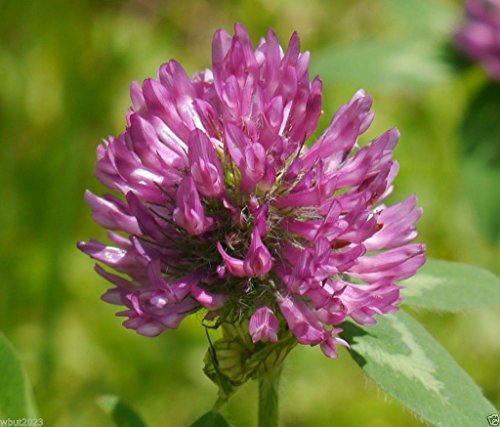
Red Clover Seed (Trifolium pratense) is a classic option for improving poor soils. The variety listed asRaw 3000-Seed emphasizes rapid establishment and broad soil tolerance. It supports ground cover and erosion control while contributing nitrogen to the soil. This seed is suitable for use as a groundcover or as part of a broader cover crop rotation.
Key features include its basic groundcover pattern and United States origin, with moderate resilience to a range of soil conditions. For gardeners seeking a straightforward, reliable clover to begin soil improvement, this option provides a solid starting point.
Clover Trio Seed Blend — Balanced Mix For Soil Health And Pollinators

Overview
This premium blend includes red, white, and crimson clover. The mixture targets cover crop functionality, soil enrichment, and erosion control. It’s designed for diverse soil types and supports pollinators and wildlife, making it a versatile choice for farmers and home gardeners dealing with poorer soils.
Benefits include nitrogen fixation, improved soil structure, and compatibility with no-till farming. The blend offers a strategic approach to building soil fertility while maintaining biodiversity in the landscape.
Outsidepride Perennial Red Clover Seeds — Long-Term Soil Improvements

Overview
These perennial red clover seeds are self-seeding, inoculated, and well-suited for lawns, pastures, and forage. They typically persist for 3-5 years, helping to steadily improve soil nitrogen levels and structure. The seeds reach about 24 inches in height, contributing to robust ground cover and erosion control in temperate zones.
Adaptability across USDA Zones 3-9 and full sun makes them a solid choice for variable soils. Their self-seeding nature supports ongoing soil health with minimal replanting effort each season.
DLF Pasture Booster Clover Seed Mix — For Pastures And Forage
Overview
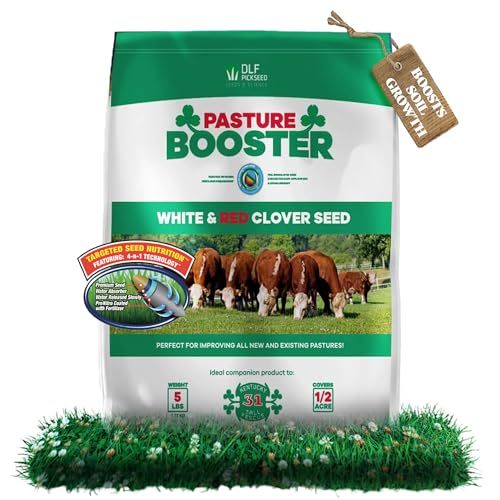
This pasture-focused mix includes red and white clover varieties designed to bolster forage while enhancing soil health. The seeds are pre-inoculated, simplifying application and improving establishment. They are suitable for grazing areas and lawns, delivering nitrogen fixation and resilient pasture performance.
DLF emphasizes a versatile seed blend that supports robust pasture production and lawn improvements. The mixture is particularly aimed at livestock applications but also adaptable to soil-improvement goals in mixed landscapes.
Outsidepride Annual Berseem Clover Seeds — Fast, High-Yield Ground Cover

Overview
Annual Berseem Clover Seeds are valued for rapid establishment and high forage yield. They perform well in loamy and clay soils and are a popular choice for deer plots, cover crops, and soil improvement. This option is especially effective in food plots or ground cover programs in areas facing compact or challenged soils.
The seed supports nitrogen enrichment and can play a key role in winter or shoulder seasons, contributing to longer-term soil vitality while offering practical forage benefits.
Buying Guide — Key Purchase Considerations For Poor Soils
Selecting the right clover involves understanding soil conditions, climate, and intended use. Consider the following factors when choosing clover for poor soils:
- Soil health goals: nitrogen fixation, erosion control, soil structure, or forage production.
- Climate compatibility: select varieties suited to your USDA zone and sun exposure.
- Persistence: annual vs. perennial clover options, and whether self-seeding behavior suits your landscape.
- Establishment speed: some seeds germinate quickly, while others require longer to establish.
- Inoculation and seed treatment: pre-inoculated seeds simplify application and improve early growth.
- Companion plant strategy: combine clover with grasses or other cover crops for balanced ground cover and soil benefits.
- Wildlife and pollinator considerations: blends with multiple clover types can boost biodiversity and forage for wildlife.
Comparative insights can guide your decision: for quick soil improving, a single robust red clover might work well; for broader soil health and habitat benefits, a mixed blend or perennial options provide longer-term benefits. For pasture or forage goals, multi-clover mixes offer diversified nutrition and resilience to soil variability.