Choosing the right fertilizer for lemon trees can boost growth, foliage color, and fruit yield. This guide highlights five highly effective options, spanning organic blends, balanced NPK formulas, and concentrated boosters designed for both indoor and outdoor lemon trees. Each product is evaluated by nutrient balance, ease of use, and suitability for Meyer and other citrus varieties. Read on to compare features, application tips, and what to consider before buying.
| Product | Brand | Form | Key Benefit |
|---|---|---|---|
| Lemon Tree Fertilizer, Complete Lemon Tree Plant Food, 8 oz | TPS NUTRIENTS | Liquid | Easy dilution, tailored citrus nourishment |
| GARDENWISE Professional Citrus Fertilizer + Micronutrients | GARDENWISE | Granular liquid mix | Balanced macronutrients plus micronutrients |
| Espoma Organic Citrus-Tone 5-2-6 | Espoma | Granular organic | Organic, ready-to-use with Bio-tone |
| Liquid Lemon Tree Fertilizer by Perfect Plants | PERFECT PLANTS | Liquid | Fast-acting with micronutrients |
| Farmer’s Secret Citrus Tree Booster Fertilizer | Farmer’s Secret | Liquid concentrate | High concentration; weekly feeding guidance |
Lemon Tree Fertilizer, Complete Lemon Tree Plant Food
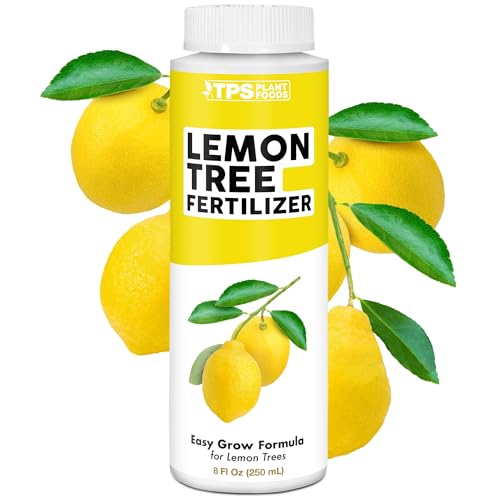
This TPS NUTRIENTS formula provides a simple, user-friendly approach to nourishing lemon trees. The instructions specify mixing 2 tablespoons per gallon of water, then watering as usual. The liquid mix is designed to deliver essential nutrients that support healthy growth and vibrant fruit. Its design targets Meyer lemon trees in particular, promoting lush foliage and consistent fruit production throughout the year.
GARDENWISE Professional Citrus Fertilizer + Micronutrients

This all-in-one formula emphasizes a strong macronutrient balance (6% nitrogen, 4% phosphorus, 6% potassium) to support growth, flowering, and fruit quality. The product also includes a range of micronutrients—magnesium, zinc, copper, iron, and boron—to sustain chlorophyll production, foliage health, and fruit development. A key selling point is its long-lasting performance, with fewer applications needed to maintain citrus vitality.
Down To Earth All Natural Citrus Mix

This organic option delivers a balanced 6-3-3 NPK along with calcium, sulfur, iron, and zinc. It’s crafted from premium natural sources like feather meal, fish bone meal, alfalfa meal, and kelp. Certified OMRI for organic use, it’s well-suited for sustainable gardens and environments where synthetic inputs are avoided while still supporting strong foliage, flowering, and fruit yield.
Liquid Lemon Tree Fertilizer by Perfect Plants
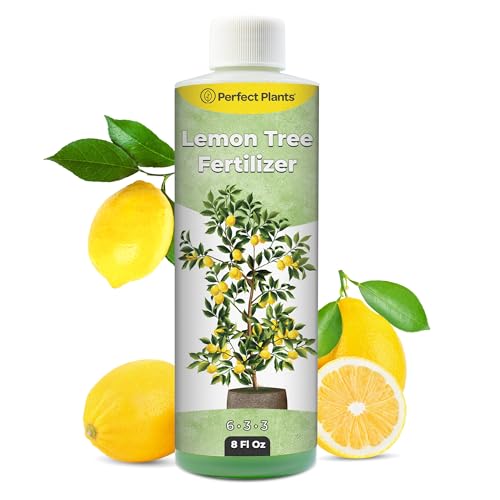
This liquid formula uses a balanced 6-3-3 NPK, enriched with micronutrients like zinc and manganese. It’s designed for Meyer lemon trees indoors or outdoors, promoting tall growth, robust foliage, and vibrant fruit. Application is straightforward: mix 2 tablespoons per gallon of water, then evenly water the root zone for quick uptake and visible vigor in a relatively short time frame.
Farmer’s Secret Citrus Tree Booster Fertilizer

Farmer’s Secret emphasizes a highly concentrated formulation for citrus trees, including lemons. The product instruction suggests diluting one teaspoon per gallon of water and applying weekly along the drip line. It also provides guidance for seasonal adjustments—one teaspoon per week for younger trees and up to two teaspoons for mature trees. This booster aims to maximize growth and fruit production with efficient weekly application.
Buying Guide
- Nutrient balance: Look for a fertilizer with balanced NPK values (nitrogen, phosphorus, potassium) suitable for citrus. A mix around 5-6% nitrogen and moderate phosphorus and potassium generally supports both foliage and fruit development.
- Organic vs. synthetic: Organic blends like Citrus-Tone or Down To Earth may appeal to organic gardeners and organic-use certifications, while liquid formulations often provide faster results.
- Micronutrients: Magnesium, zinc, iron, copper, and boron support leaf color, chlorophyll production, and fruit development. Micronutrient-rich formulas may yield more vibrant foliage and improved yield.
- Application method: Liquid concentrates allow quick uptake by roots and faster visible results, while granular or slow-release options provide extended feeding and require less frequent applications.
- Indoor vs. outdoor use: Some formulations are tailored for indoor potted lemon trees, offering easier uptake and controlled feeding, while others suit outdoor trees with greater nutrient demands.
- OMRI and certifications: If you practice organic gardening, choose products labeled as OMRI-listed or certified organic to avoid synthetic additives.
- Tree age and size: Younger trees may need lighter weekly applications, while mature trees might require higher concentrations or more frequent feedings. Always follow label directions and adjust based on tree response.
- Cost and coverage: Compare price per ounce or per serving and estimate how many feedings you’ll get per bottle or bag to determine long-term value.
For best results, begin with a product that aligns with your lemon tree’s growth stage, whether you’re managing an indoor Meyer lemon in a pot or a yard-long outdoor specimen. Regular, moderate feeding combined with proper watering, adequate sunlight, and good drainage will support vigorous growth and a steady supply of lemons.