Choosing the right nutrients can influence both yield and quality for cannabis grown in soil. This guide highlights five respected products designed to support flowering, soil health, and resin production. Each option targets common soil-based growing needs—from bloom boosters to soil microbiome enhancers—helping growers optimize flavor, aroma, and potency. Below, you’ll find a concise overview, a quick product table, and detailed sections for practical considerations and measurements to compare across brands.
| Product | Brand | Key Focus |
|---|---|---|
| Big Bud Liquid Fertilizer | Advanced Nutrients | Massive flowers, resin-rich buds |
| Fertilizer Soil Trio | FoxFarm | All-season growth and blooms |
| Bloom Micro Grow Bundle | Advanced Nutrients | Three-part nutrient system |
| Seaweed & Kelp Fertilizer | Bloom City | Organic growth boost and health |
| Flower Fuel | Element Nutrients | Phosphorus-potassium bloom support |
Big Bud Liquid Fertilizer By Advanced Nutrients

Big Bud is designed to enhance bloom development and weight in flowering cannabis grown in soil. It targets larger, heavier buds with increased essential oils and aroma compounds. The formulation emphasizes measurable harvest weight gains and overall market value, making it a common pick for growers focusing on final product quality. Use as part of a broader feeding schedule to support robust flowering phases and resin production in soil-based systems.
FoxFarm Fertilizer Soil Trio Liquid Nutrient

The FoxFarm trio blends Grow Big for vegetative vigor, Tiger Bloom for flowering vigor, and Big Bloom for soil vitality. This three-part approach supports healthy plant structure while promoting abundant fruiting and flowering through the season. It’s positioned as a versatile line suitable for various soil media, helping maintain balanced nutrition and steady growth from early stages through harvest.
Bloom, Micro, Grow Fertilizer Bundle
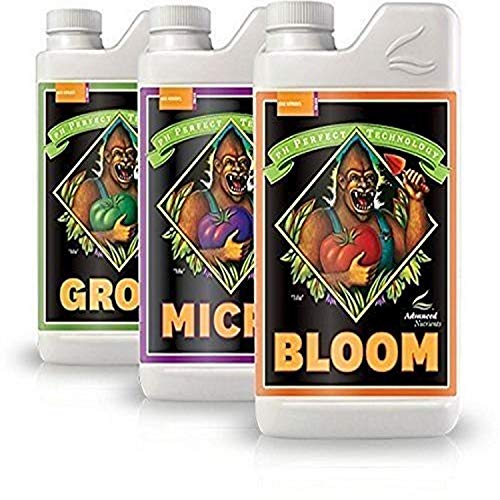
This 3-part nutrient kit provides dedicated Bloom, Micro, and Grow formulas designed for high-value cannabis. It emphasizes a tailored nutrient profile across growth stages, offering robust support for soil-grown plants that aim for dense blooms. Gardeners can leverage the three-part system to fine-tune pH and nutrient uptake while pursuing stronger yields and enhanced flower development.
Bloom City Seaweed and Kelp Fertilizer

This organic liquid seaweed and kelp supplement blends multiple seaweed species to support soil health and plant vitality. Seaweed extracts can aid root development, stress resistance, and nutrient uptake in soil systems. The product is noted for safe use across plant stages and ease of application, making it a practical addition to soil-based feeding routines.
Flower Fuel: Phosphorus & Potassium Bloom Fertilizer

Flower Fuel focuses on bloom-phase nutrition with a robust phosphorus and potassium profile. It’s designed to work with various base nutrients in soil and fits well into mixed feeding programs. The blend emphasizes larger, heavier harvests, with an emphasis on supporting flowers, resin formation, and overall bloom quality for soil-grown cannabis.
Buying Guide
When selecting nutrients for soil-based cannabis, consider these factors to match your growing style and local conditions:
- Growing medium compatibility: Verify whether the product is formulated for soil, soil-dominant mixes, or all media. Some blends are optimized for soil and may require adjustments if you also use coco coir or hydroponic setups.
- Bloom emphasis vs. vegetative support: If your goal is larger flowers, favor bloom-focused formulas or three-part systems that balance vegetative growth with robust flowering. For season-long soil health, consider soil conditioners or humic/fulvic-acid-enhanced products.
- Microbial or soil health additives: Products like soil revitalizers or seaweed-based supplements can improve microbial activity and nutrient availability. They complement macro-nutrient packages by promoting root health and resilience to stress.
- Organic vs. synthetic: Organic options (like seaweed and humic-based products) tend to be gentler on soil ecology, while synthetic blends may offer precise nutrient ratios and faster responses. Your choice should align with your cultivation goals and local regulations.
- Application schedule: Look for products that fit your feeding calendar, including base nutrients and boosters aligned with vegetative and bloom stages. Following label directions helps prevent nutrient lockout and toxicity.
- Cost and efficiency: Evaluate the total volume and the recommended dosing per plant. Some kits provide multi-nutrient components that cover a full cycle, while others focus on specific growth stages.
- Safety and labeling: Ensure products are compatible with soil systems and follow any safety precautions for storage and handling. OMRI-listed or organic-certified options meet certain standards for soil-based grows.
For soil-specific cultivation, combining a balanced base nutrient with a targeted bloom booster, plus a soil health enhancer, can yield stronger flowers and richer aromas. Always start with a small test group to gauge response before scaling to larger gardens. Monitoring plant cues and adjusting feed schedules accordingly will help maximize the benefits of these products in a soil environment.