Answer: For creating clean, durable borders around lawns and garden beds, these edging options offer flexible installation, weather resistance, and easy maintenance. The best fits vary by project: taller borders work well for flower beds and tree rings; flexible coils suit curved paths; and rustproof metal options provide long-term durability. Below are five well-suited picks for American yards, with quick notes on who they’re best for and any limits to watch for.
| Product | Best For | Why It Was Selected |
|---|---|---|
| Landscape Edging 33FT, Extra Tall 4in | Large beds, tree rings | Tall height adds a defined edge and helps contain mulch or soil. |
| 2-Inch x 33 FT Edging Border (FunFanso) | Budget projects, curved beds | Flexible, easy to trim, simple hammer-in installation. |
| Landscape Edging 4 Inch Tall 20FT | Medium beds, yard borders | Galvanized steel staples for stable installation and longer service. |
| Amazon Basics Flexible Landscape Edging Coil | Natural look, wide borders | Faux woodgrain, affordable, suitable for long borders. |
| NONMON Corrugated Garden Edging 12″×30FT | Rust-resistant, stylish modern edges | Durable PE with corrugated design for a contemporary look. |
Landscape Edging 33FT, Extra Tall 4IN High

The Landscape Edging 33FT kit is a tall, 4-inch-high plastic edging solution designed to form permanent-feeling borders around lawns, flowerbeds, and trees. It includes 50 stakes (8-inch spiral) to anchor the edging without heavy digging. The edging is flexible enough to bend into curves and cut to fit exact boundaries. Best for buyers seeking a tall, discrete border with a straightforward, no-dig installation. Caution: the edging is plastic and may show wear in highly aggressive lawn maintenance cycles or heavy weed pressure over many years.
Who it’s best for: Homeowners creating tall borders, tree rings, or raised-edge beds who want a clean, durable edge without trenching. The included stakes help keep the border in place over time.
Selected for: Its tall profile and easy, dig-free installation make it a solid all-around option for defined borders with moderate maintenance needs.
Limitation: Plastic edges can become brittle in extreme cold over many seasons if not installed with care. Cutting is supported to fit irregular shapes, but avoid aggressive bending beyond comfortable radii.
2-Inch x 33 FT Landscape Edging Border (FunFanso)

This 2-inch-wide edging border spans 33 feet and ships with 50 spikes. It emphasizes ease of installation: hammer the spikes to hold the border in place, with no digging required. The material is plastic PE, designed to bend into curves and resist rust, making it a practical pick for DIYers who want to reshape garden separations over time. Best for smaller to mid-sized beds and pathway edges. Caution: thinner edging may be less robust under heavy lawn equipment or aggressive weed growth.
Who it’s best for: DIY gardeners seeking a cost-effective, flexible border that’s quick to install and easy to adjust as plantings shift.
Selected for: Straightforward, tool-free setup and the ability to trim to fit irregular shapes without specialized equipment.
Limitation: The 2-inch width may be too slim for very wide borders or heavy mulch containment in some installations.
Landscape Edging 4 Inch Tall 20FT

This kit features a 20-foot coil of edging at 4 inches tall, plus 30 metal spikes. The combination emphasizes a sturdy, stable installation with anchors that resist shifting in moist soil. The edging is designed for quick, no-dig setup and is suitable for lawn, paver areas, flower beds, and tree rings. Best for buyers who want a robust border that stands up to weather and lawn activity. Caution: heavier metal staples require careful placement to avoid cracking the edging during installation in very compact soil.
Who it’s best for: Homeowners seeking a higher edge with strong anchoring points for long-term stability in moderate-to-large borders.
Selected for: Its durability and included metal staples, which improve edge stability in different soil conditions.
Limitation: If the soil is very hard or rocky, installation may require additional effort or tools beyond basic hammering.
Amazon Basics Flexible Landscape Edging Coil
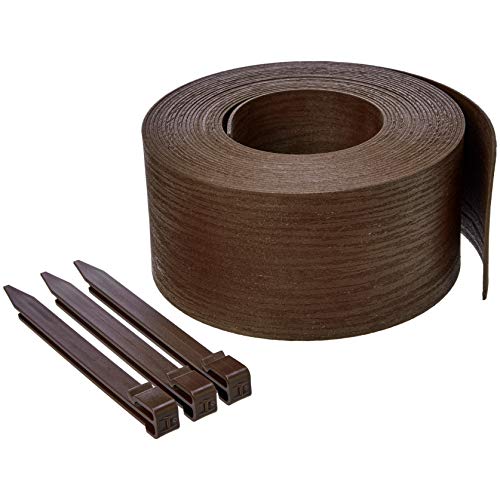
The Amazon Basics edging coil provides a natural look with faux woodgrain texture, designed to create clean borders for grass, raised beds, pathways, and shrub borders. The coil design allows long, continuous edging with a 5-inch height and 40 feet length, supported by 10 stakes. Best for buyers who want a simple, visually natural border that blends with garden scenery. Caution: woodgrain appearance is aesthetic; durability may vary with heavy wear or high-traffic edging needs.
Who it’s best for: Gardeners preferring a natural wood-like aesthetic and easy-to-install, continuous edging for large, cohesive borders.
Selected for: Its faux-wood look and straightforward coil format, providing a seamless edge along extended borders.
Limitation: Not as rugged as metal edging for areas with heavy equipment or aggressive outdoor conditions over many seasons.
NONMON Corrugated Garden Edging Border 12″×30Ft
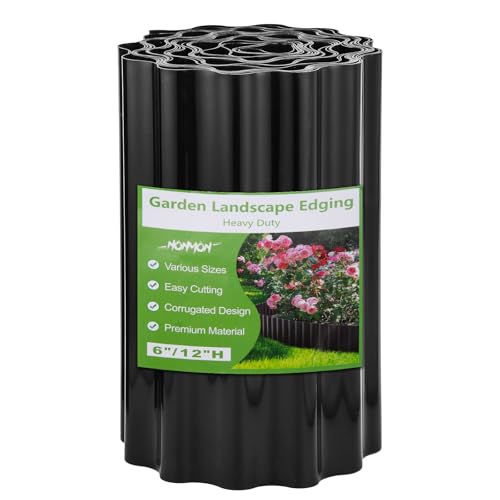
The NONMON edging offers a 12-inch height and 30-foot length with a corrugated black finish. It emphasizes anti-corrosion treatment for weather stability and a modern wave pattern that visually sharpens yard edges. Best for contemporary yards seeking a bold edge that resists rust and weather over time. Caution: the taller height may require careful alignment to avoid stepping over the border when mowing near long edges.
Who it’s best for: Gardeners wanting a tall, corrugated border with a modern aesthetic and long-lasting protection against the elements.
Selected for: Its rust-resistant coating and stylish design that helps define borders with a sleek profile.
Limitation: The corrugated surface can be more challenging to cut to irregular shapes compared with smooth-edged borders.
Buying Guide: Key Considerations for Landscaping Edging Borders
- Material choice: Plastic edging is versatile and easy to install but may wear faster under heavy lawn equipment. Metal edging offers durability and a premium look but can require more upfront effort and tool use. PE and rust-resistant galvanized steel are common options for weather resistance.
- Height and profile: Taller edges (3–4 inches) help contain mulch and define bed boundaries; lower edges (1–2 inches) suit narrow paths and lightweight separations. Corrugated designs provide a modern aesthetic but may affect cutting flexibility.
- Installation method: No-dig systems with stakes work for quick setups, while some borders require digging for deeper anchoring. Consider soil type (sandy, clay, rocky) and mowing access.
- Flexibility and shaping: Curved beds benefit from flexible edging. Straight borders perform best with rigid edges. Some products are easily cut to fit irregular boundaries, others hold shape reliably without bending.
- Durability and maintenance: Rustproof and UV-resistant materials extend lifespan. Plastic edges may need periodic replacement in harsh environments; metal edges resist wear but can dent if mishandled.
- Aesthetics: Woodgrain or faux-wood textures blend with natural landscapes; corrugated designs offer a contemporary look. Choose a finish that complements your yard’s style.
Frequently Asked Questions
- What edging height should I choose? For lawn-to-bed borders, 2–4 inches is common. Taller edges help with mulch containment and visual impact for larger beds.
- Can I install edging without digging? Many products support no-dig installation with stakes; this is faster but may be less stable in certain soils.
- Is plastic edging durable enough for long-term use? It can be durable in mild climates and light traffic but may require replacement sooner in heavy-use areas or extreme temperatures.
- How do I maintain edging over time? Periodically check stakes, reseat any loose sections, and trim edges as needed to prevent overgrowth from birds or grass encroachment.
- Which edging is best for curved borders? Flexible plastic or coil edging is typically best for curves, followed by taller edging if you want a bold curved silhouette.
- Do edging materials affect garden drainage? Properly installed edging helps define borders without impeding drainage; ensure the bottom edge is well buried or anchored to avoid gaps that invite weed growth.