If you’re looking to prevent blossom end rot and strengthen garden vegetables, calcium-focused products can be a smart choice. This guide highlights five well-suited options for American gardeners, from granular soil amendments to soluble fertilizers that work in pots, Earthboxes, and traditional beds. Each choice targets calcium delivery in a way that matches different gardening setups and budgets. The top picks are best for home vegetable growers, container gardeners, and backyard soil amendments seeking reliable calcium support for healthier foliage and fruit development.
Summary table of selected products:
- Calcium Nitrate 15.5-0-0 Fertilizer (Cz Garden Supply) – water-soluble, greenhouse grade, boosts calcium and nitrogen for lush foliage.
- Bonide Rot-Stop Tomato Blossom End Rot – liquid calcium supplement to correct calcium deficiency and prevent end rot.
- Organic Dolomite Lime (5 lb) – raises soil pH and supplies calcium and magnesium; OMRI-listed.
- INTOMYTH Calcium Nitrate 15.5-0-0 (1 lb) – soluble plant food for hydroponics and garden vegetables, supports strong cell walls.
- Gypsum for Soil (8 oz) – calcium-rich, improves soil structure, aeration, and water penetration for gardens and lawns.
Calcium Nitrate 15.5-0-0 Fertilizer For Gardens

Best for: Gardeners seeking a high-purity, water-soluble source of calcium and nitrogen for rapid uptake by leafy greens, tomatoes, peppers, and hydroponic systems. This product provides 19% calcium and 15.5% nitrogen, making it effective for boosting green growth while supporting calcium-dependent cell walls. It’s ideal for greenhouse settings and indoor gardens where fast-acting nutrition is desired.
Why selected: The premium, greenhouse-grade formulation reduces risks of residue on equipment and roots, delivering reliable calcium and nitrogen in a single application. Use with irrigation or as a standalone feed to reinforce calcium levels during fruit set and leaf expansion.
Limitations: Because it is highly soluble and nitrogen-rich, avoid over-fertilizing and monitor EC/ppm to prevent nutrient burn in sensitive plants.
Bonide Rot-Stop Tomato Blossom End Rot
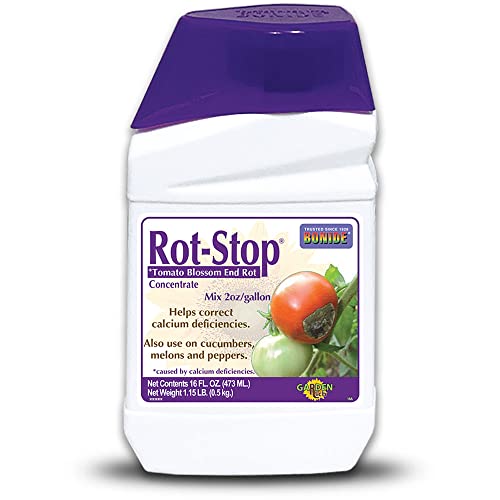
Best for: Home tomato growers and mixed vegetable gardens dealing with calcium deficiency and blossom end rot. This liquid additive is designed to deliver calcium where needed, reducing the risk of fruit rot in tomatoes and other susceptible crops.
Why selected: Its calcium-based formula targets a common issue in many home gardens, especially in fluctuating moisture conditions. It can be applied indoors and outdoors, giving flexibility for different growing setups.
Limitations: It relies on calcium chloride as the active ingredient, so follow label directions to avoid potential phytotoxicity on sensitive varieties when over-applied.
Organic Dolomite Lime 5LB

Best for: Container gardeners and Earthbox users who need a soil pH adjustment plus calcium and magnesium. Dolomite lime is a slow-acting garden amendment that improves soil structure over time.
Why selected: OMRI-listed status supports organic growing practices, and the product provides essential calcium along with magnesium, helping soils stabilize and plants access essential nutrients for robust growth.
Limitations: Dolomite lime works gradually; expect slower changes in pH and nutrient availability compared to liquid calcium options.
INTOMYTH Calcium Nitrate 15.5-0-0

Best for: Hydroponic setups and garden vegetables seeking a compact, highly soluble calcium source with balanced nitrogen for vigorous growth. Suitable for peppers, tomatoes, and leafy greens that need strong cell walls and disease resistance.
Why selected: This product emphasizes calcium fortification to enhance cell wall strength, helping plants resist environmental stress. It’s compact and easy to apply where space is limited.
Limitations: Like other nitrate-based fertilizers, avoid excessive rates that can raise nitrogen levels beyond plant needs, potentially causing leaf burn in sensitive crops.
Grow Bigger Fruits & Vegetables (Calcium Formula)

Best for: Gardeners seeking a micronutrient-rich liquid option that combines calcium with zinc, manganese, and copper to support enzyme activity, chlorophyll production, and overall fruit production.
Why selected: The product’s formulation targets multiple micronutrients essential for balanced growth, contributing to healthier blossoms and improved yields in a variety of vegetables and fruiting crops.
Limitations: Liquid formulas can require more precise application schedules; follow label directions to avoid over-fertilization and ensure even coverage across plants.
Buying Guide
What to consider when choosing calcium for vegetable gardens:
- Form and delivery method: Choose soluble calcium sources for rapid uptake in greens and fruit crops, or soil amendments like dolomite lime and gypsum for long-term soil health and pH balance.
- Soil pH and magnesium levels: Dolomite lime provides magnesium alongside calcium and helps raise pH. If your soil is acidic, this can be beneficial; if your soil is already near neutral, a calcium nitrate product may be more appropriate.
- Fertilizer type and crop needs: Tomatoes, peppers, and cucumbers often benefit from calcium-based products to prevent blossom end rot. Leafy greens may require different nutrient balances; consider micronutrient blends when targeting overall vigor.
- Application timing: Calcium demand rises during flowering and fruit development. Plan applications around these growth stages to maximize effectiveness and minimize waste.
- Organic vs. synthetic options: OMRI-listed dolomite lime supports organic growing, while nitrate-based products offer rapid results but may be regulated by certain growing setups or hydroponic systems.
- Environment and setup: Containers and Earthboxes can require quicker-acting remedies, whereas in-ground beds may benefit from slower, long-lasting soil amendments to maintain calcium availability over time.
Practical tips for using calcium products
- Test soil pH and calcium levels when possible to tailor product choice to real needs.
- Mix soluble granules thoroughly in irrigation water or apply directly around plant bases as directed.
- Monitor leaf tissue and fruit development for signs of calcium-related issues and adjust frequencies accordingly.
Frequently Asked Questions
- What causes blossom end rot and how can calcium help?
Answer: Blossom end rot is often related to calcium deficiency at fruit development. Calcium-focused products help strengthen cell walls and support fruit formation, reducing rot risks when used as directed. - Can I use multiple calcium products at once?
Answer: It’s best to follow label directions and avoid overlapping high-calcium applications. If unsure, stagger applications by several days and monitor plant response. - Is organic dolomite lime compatible with all vegetables?
Answer: Dolomite lime provides calcium and magnesium and is suitable for many garden crops, but its pH-raising effect is gradual. Test soil and adjust timing accordingly. - Should I water after applying calcium nitrate?
Answer: Yes, many calcium nitrate products are water-soluble; applying with an appropriate irrigation or watering immediately after helps prevent root burn and ensures even distribution. - Which product is best for containers?
Answer: Liquid calcium blends and soluble nitrates are commonly preferred for containers due to rapid uptake. Dolomite lime is slower but valuable for ongoing soil health in containers with adequate drainage. - How often should I fertilize during the growing season?
Answer: It varies by crop and product. Follow the product’s schedule and adjust for rainfall, heat, and plant growth stages to maintain steady calcium availability.