Finding the right sand-friendly grass seed mix is essential for stabilizing sandy soils, improving germination, and establishing a durable lawn. This guide highlights five top options suited for sandy or challenging soil conditions, with notes on sun exposure, maintenance, and establishment. Ideal buyers include DIY homeowners repairing bare spots, homeowners with dry, sandy patches, and those seeking shade-tolerant mixes. Below you’ll find quick comparisons, product specifics, and practical buying tips to help you choose confidently.
Summary table of selected products
| Product | Best For | Key Benefit | Approx. Coverage |
|---|---|---|---|
| Scotts PatchMaster Lawn Repair Mix Sun + Shade | Bare spots, mixed sun/shade | All-in-one mulch, seed, fertilizer | See bag |
| Scotts Turf Builder Grass Seed Sun and Shade Mix | Moderate sun to shade | Deep roots, soil improvement | Up to 2,240 sq. ft. |
| JRK Sandy Soil Grass Seed Mix | Sandy, dry zones | Moisture-conscious blend for sandy soil | 5 lbs |
| Scotts Kentucky 31 Grass Seed Mix | Durable, low-maintenance lawns | Premium seed blend with drought tolerance | Up to 10,000 sq. ft. |
| Pennington Smart Seed Dense Shade Mix | Shady areas | Tall Fescue and Fine Fescue blend for shade | 7 lb |
Scotts PatchMaster Lawn Repair Mix Sun + Shade Mix

Best for fast, all-in-one repair of bare spots. This mix combines mulch, seed, and fertilizer to jump-start growth in both sun and shaded areas. The included mulch absorbs three times its weight in water, helping the seed stay moist during establishment. It can start germinating in as little as seven days and sustains feeding for up to six weeks.
Who it’s best for: homeowners needing quick, convenient patch repair with limited maintenance. Why chosen: it delivers an all-in-one solution for bare spots, reducing the need to purchase separate mulch or fertilizer. Caution: may be more expensive per square foot than plain seed; ensure bare areas are properly prepared and compacted for best results.
Scotts Turf Builder Grass Seed Sun and Shade Mix

Best for a versatile lawn that needs resilience in both sun and shaded areas. This mix combines root-building nutrition to help establish deep roots, promoting a stronger turf. It is designed to thrive in diverse light conditions and offers medium drought resistance and durability.
Who it’s best for: homeowners seeking a robust, all-in-one seed and soil improvement approach for mixed sun/shade lawns. Why chosen: emphasizes root development and broad environmental tolerance. Caution: results depend on consistent watering and proper fertilization schedule to maximize growth speed.
JRK Sandy Soil Grass Seed Mix
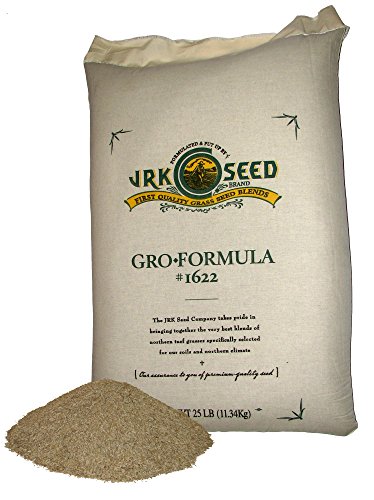
Best for sandy soils with limited moisture, this mix is suited to sun and partial shade where low maintenance is preferred. It’s positioned for environments where water conservation is important and where soil texture challenges require a moisture-aware blend.
Who it’s best for: gardeners with sandy patches that drain quickly and require drought-tolerant seed. Why chosen: explicitly designed for sandy soil conditions; offers a practical option for moisture management. Caution: may require more consistent irrigation in extended dry periods to sustain seedling establishment.
Scotts Kentucky 31 Grass Seed Mix
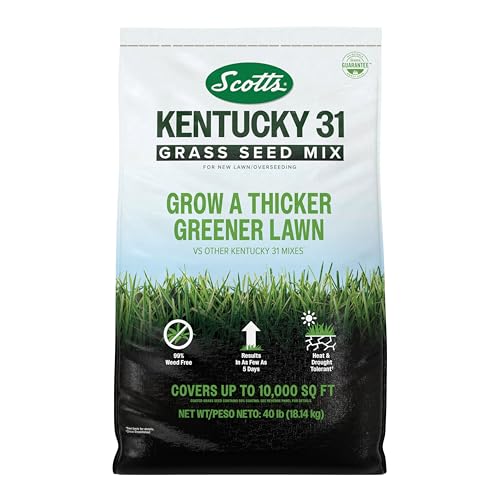
Best for large, durable lawns, this premium mix blends tall fescue and complementary seeds to provide a thicker, greener lawn with heat and drought tolerance. It covers large areas and is designed for robust growth over time with moderate maintenance.
Who it’s best for: homeowners planning a long-term, low-maintenance lawn in warm climates. Why chosen: offers a dense, resilient turf with a focus on practical, economical coverage. Caution: requires proper soil preparation and watering during establishment to realize the full benefits.
Scotts Turf Builder Grass Seed Tall Fescue Mix

Best for establishing a deep-rooted, green lawn, this 3-in-1 product combines grass seed, fertilizer, and soil improver. It is ideal for spring or fall planting when temperatures are favorable and requires regular moisture to sustain germination and growth during the first weeks.
Who it’s best for: homeowners wanting a compact, all-in-one seed and nutrient package for tall fescue lawns. Why chosen: emphasizes rapid establishment and robust root growth. Caution: initial moisture management is critical; overwatering or underwatering can slow establishment.
Pennington Smart Seed Dense Shade Mix

Best for shady lawns, this blend combines Tall Fescue and Fine Fescue to thrive where sunlight is scarce. It includes a balanced amount of starter fertilizer to support establishment and growth in low-light conditions.
Who it’s best for: homeowners with shaded or partially shaded areas that struggle to grow grass. Why chosen: specifically formulated for shade tolerance. Caution: performance is sensitive to soil quality and sun exposure; in very dense shade, results may be slower than in sunnier sections.
Buying Guide: Sand And Grass Seed Mixes
- Soil type and texture: Sandy soils drain quickly and hold less moisture. Look for mixes that include moisture-retentive materials or root-building components to improve establishment in sand.
- Sun exposure: Determine whether your lawn receives full sun, partial sun, or shade. Choose a mix labeled for sun, shade, or both to maximize germination and growth.
- Watering needs: Sandier soils often require more frequent, lighter watering to keep seedbeds moist without washing away seed or nutrients.
- Root development: Seed blends with tall fescue or deep-rooting varieties tend to establish more quickly and resist drought better in sandy conditions.
- Nutrient content: Some products include fertilizer and soil improvers. For sandy soils, consider options with slow-release nutrients to support steady growth over weeks.
- Repair scope: For bare patches, products with mulch or seed-fertilizer combinations offer faster establishment but may have higher upfront costs.
- Maintenance plan: Have a plan for mowing height, irrigation frequency, and seasonal reseeding to sustain a healthy lawn on sandy soils.
FAQ
- Q: Is a mix with mulch better for sandier soils? A: Yes, mulch in the seed mix helps retain moisture and keep seeds in place during germination.
- Q: Should I choose sun-and-shade blends for mixed light conditions? A: Yes, blends labeled for both sun and shade can adapt to changing light levels across the lawn.
- Q: How soon can I expect visible growth after sowing in sand? A: Some mixes start showing growth within about a week, but full establishment typically takes several weeks with proper care.
- Q: Do I need a separate fertilizer for sandy soil? A: If your seed mix includes fertilizer, additional fertilization may still be beneficial depending on soil tests and turf goals.
- Q: How much seed should I apply per square foot for sandy patches? A: Follow the product’s application rate per bag, adjusting for patch size and local soil conditions.
- Q: Can I overseed an existing lawn with a sand-friendly mix? A: Yes, overseeding can improve density and health, especially when paired with consistent moisture management.