Yes—organic insecticides can protect houseplants from common pests while keeping your indoor garden food-safe and pet-friendly. This guide highlights five reliable options, explaining who each product is best for, how they work, and potential limitations. Whether you’re dealing with aphids, spider mites, whiteflies, or fungus gnats, these picks are suited for container plants, herb pots, and decorative greenery alike. The top picks emphasize ease of use, fast action, and compatibility with organic gardening practices.
Quick product snapshot:
| Product | Best For | Key Benefit |
|---|---|---|
| Bonide Captain Jack’s Neem Oil 32 oz | General home houseplants, ornamental plants | Three-in-one fungicide, insecticide, and miticide |
| BioAdvanced Organics Insect Killer 24 oz | Indoor houseplants needing quick insect control | OMRI-listed, ready-to-use |
| ARBER Organic Insecticide Liquid Concentrate | Plants facing multiple pests and fungus risks | Liquid concentrate with organic bio-based actives |
| Earth’s Ally 3-in-1 Plant Spray 32 oz | Integrated pest and disease management | Essential oil blend with 3-in-1 action |
| Bonide Captain Jack’s Neem Max 8 oz | Organic gardening, concentrated protection | 4-in-1 control: insect, fungicide, miticide, nematicide |
Bonide Captain Jack’s Neem Oil 32 oz Ready-to-Use
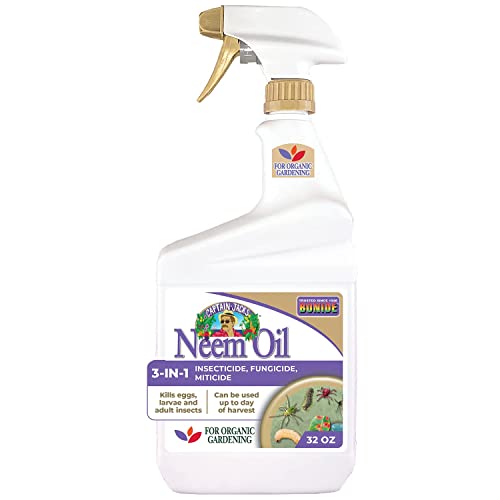
Product overview: A multi-purpose oil with fungicide, insecticide, and miticide properties. The ready-to-use spray is convenient for immediate application on a wide range of houseplants, roses, shrubs, and vegetables. It targets eggs, larvae, and adults, helping reduce pest populations across life stages.
Best for: Home gardeners seeking a single, ready-to-use solution that covers pests and fungal issues on typical houseplants. Suitable for beginners who prefer straightforward spraying without mixing. Avoid if you require a highly concentrated formulation for large outdoor spaces.
Limitations: While effective for many pests, Neem-based products can leave a scent and may require repeated applications for long-lasting protection. Some plants with sensitivity to oils should be tested on a small area first.
BioAdvanced Insect Killer for Houseplants

Product overview: Ready-to-use indoor plant bug spray labeled for organic gardening use. Designed to protect houseplants from common insect pests and is OMRI-listed for organic gardening contexts. Rapid knockdown helps reduce pest activity on contact.
Best for: Indoor gardeners who need a fast-acting spray with organic garden credentials. Best for mild to moderate infestations on a variety of houseplants. Limitations: May require additional applications for stubborn pests and should be used as part of an integrated approach with monitoring and pruning.
ARBER Organic Insecticide Liquid Concentrate

Product overview: A true liquid concentrate that blends organic biologicals to disrupt pest life cycles. It penetrates foliage and soil to support a balanced microbiome, promoting root health while reducing pest populations. Dilution customization allows lighter maintenance or stronger treatments.
Best for: Gardeners who want flexibility in dilution and aim to protect soil biology while managing indoor and outdoor plants. Caution: Ensure correct dilution to avoid phytotoxicity on sensitive species and test on new or delicate plants first.
ARBER Organic Insecticide & Fungicide for Plants

Product overview: A plant-safe concentrate that coats leaves and soil to disrupt pest life cycles and suppress powdery mildew. Works on seedlings, containers, raised beds, and greenhouse starts. Combines insect and disease control in a single spray.
Best for: Growers seeking a two-in-one approach to both pests and fungal issues in indoor or outdoor gardens. Limitation: Requires proper dilution and thorough coverage to maximize effectiveness, especially on dense foliage.
Bonide Captain Jack’s Neem Oil 128 oz Ready-to-Use

Product overview: A large-volume, ready-to-use Neem Oil solution that provides multi-purpose protection against common garden diseases and pests. This product targets eggs, larvae, and adults across a broad range of pests such as spider mites, aphids, and whiteflies.
Best for: Larger indoor or mixed indoor-outdoor setups where repeated applications are anticipated. Caution: Large spray volumes may be cumbersome for small plant collections; test first on sensitive species to avoid leaf burn.
Earth’s Ally 3-in-1 Plant Spray

Product overview: A 3-in-1 garden spray that combines insecticidal, miticidal, and fungicidal action. The formula uses essential oils and botanicals to kill pests on contact while helping prevent disease spread on foliage and soil zones.
Best for: Gardeners who want a natural, botanically derived solution with broader pest and disease coverage in one product. Limitation: Essential oil-based products can be sensitive to certain plant varieties; apply with a test patch first.
Buying Guide
What pests are you facing?
Identify the primary pests—aphids, spider mites, whiteflies, fungus gnats, or scale. Some products excel at rapid knockdown (ready-to-use sprays), while concentrates may offer longer-term control when diluted and reapplied as part of a routine.
Indoor use vs. outdoor or mixed environments
Indoor houseplants often require milder formulations and odor considerations. Ready-to-use sprays are convenient but may need more frequent applications. Concentrates allow you to customize strength but require safe handling and proper mixing.
Plant safety and edible considerations
Choose products labeled for organic gardening and safe for use on edibles if you grow herbs or vegetables indoors. Test on a small foliage area before broad use to avoid leaf burn or phytotoxicity.
Ease of application
Consider reach, spray nozzle design, and compatibility with existing watering or misting routines. Ready-to-use sprays are simplest, while concentrates demand more steps but can cover more plants with less packaging.
Residue, scent, and frequency
Neem oil and essential-oil blends may leave a scent and require reapplication after rain or humidity fluctuations indoors. Plan a treatment schedule aligned with pest activity and plant health milestones, such as repotting or dormancy periods.
Environmental and safety considerations
Look for OMRI listings or certifications that align with organic gardening standards if you prioritize organic credentials. Always follow label directions to minimize risk to beneficial insects in mixed settings and to humans and pets indoors.
Practical decision tips
- For quick, on-the-spot control: choose ready-to-use Neem oil or BioAdvanced ready-to-use sprays.
- For ongoing prevention and mixed pest pressure: a 3-in-1 or multi-action concentrate can be cost-effective, with careful dilution.
- Test new products on a few plants before broad application to ensure compatibility.
Quick FAQ
- Are these products safe for herbs grown indoors? Yes, most are labeled for organic gardening and can be used on common home herbs when following label directions and plant-safety testing.
- Can I use these products with soil-grown and potted plants together? Yes, but ensure uniform coverage and avoid over-wetting root zones to prevent rot.
- Will these products kill beneficial insects? They target pests and may affect non-target insects; use targeted applications and avoid flowering plants when beneficials are present.
- How often should I reapply after an infestation starts? Reapplication frequency depends on the product and pest pressure; follow label guidance and monitor plant symptoms between applications.
- Should I rotate products? Rotating products with different active ingredients can reduce resistance risk and improve long-term control in diverse pest situations.
- Is mixing with other pesticides recommended? Do not mix unless the label allows it; improper combinations can reduce efficacy or harm plants.