Choosing the right potting soil is essential for corn plant care, especially when growing indoors. The best mixes balance moisture retention, drainage, and a gentle nutrient supply to support vibrant foliage without waterlogged roots. Below are five top-rated potting soils that suit corn plants and other common indoor varieties, based on texture, organic content, and longevity. A quick buying guide follows to help you compare features like drainage, moisture retention, and suitability for containers.
| Product | Brand | Key Benefit |
|---|---|---|
| Miracle-Gro Houseplant Potting Mix: Fertilized, Perlite Soil for Indoor Gardening | Miracle-Gro | Less prone to gnats; ideal for leafy indoor plants |
| Back to the Roots 100% Organic Potting Mix (12 Quart) | Back to the Roots | 100% organic, peat-free; lighter carbon footprint |
| Burpee 9 Quarts Premium Organic Potting Mix | Burpee | All-natural, coconut coir for moisture retention; OMRI listed |
| Miracle-Gro Indoor Potting Mix (2-Pack, 6 qt each) | Miracle-Gro | Blended for a wide variety of houseplants; feeds up to 6 months |
| Perfect Plants Indoor Plant Soil 4qt | PERFECT PLANTS | Organic materials with moisture management; versatile for many houseplants |
Miracle-Gro Houseplant Potting Mix

Miracle-Gro Houseplant Potting Mix is designed for indoor gardening with a formula that supports common houseplants like pothos, spider plants, monstera, philodendron, and English ivy. It features perlite and sphagnum peat moss to improve drainage while maintaining moisture, reducing the tendency for gnats in indoor environments. This mix includes a fertilization component that helps new growth after planting, making it a convenient choice for busy homeowners who want reliable results without frequent feeding right away. The blend aims to provide a balanced environment for root development in compact pots commonly used for corn plants and other dracaenas.
Key considerations for corn plants indoors include ensuring the soil doesn’t stay waterlogged, since overwatering can slow growth and encourage root rot. This Miracle-Gro option emphasizes aeration with perlite, which helps prevent compacted soil in shallower containers. While it is formulated for leafy ornamentals, corn plants appreciate the same balance of drainage and nutrients. If you prefer a pre-fertilized mix that reduces guesswork, this is a practical pick, especially for beginners who want a reliable, ready-to-use option.
Back to the Roots 100% Organic Potting Mix
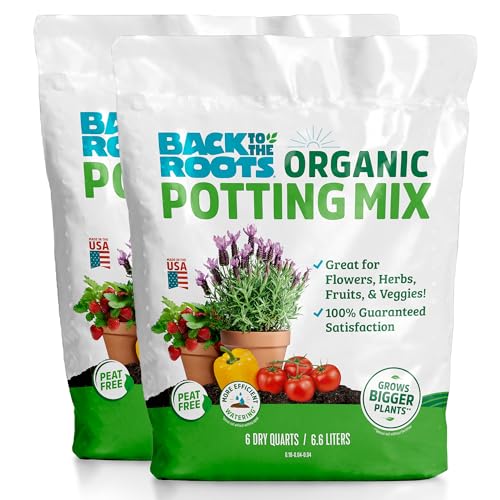
This potting mix from Back to the Roots is 100% organic and peat-free, crafted from upcycled plant matter and wood fines across the United States. The absence of peat aligns with sustainability goals, and the lighter carbon footprint is appealing for eco-conscious gardeners. It’s a versatile option suitable for herbs, vegetables, fruits, and flowers in containers, making it adaptable for corn plants as well. The blend includes components like yucca extract for moisture control and dolomitic limestone for pH balancing, helping maintain a stable environment for root uptake and healthy growth in potted corn plants and other indoor specimens.
For corn plants—particularly varieties grown in pots—moisture management is crucial. This mix seeks to balance water retention with adequate drainage, reducing the risk of soggy roots. While it’s not branded specifically to corn plants, its organic composition and gentle pH balance create a favorable rooting medium for indoor dracaenas and similar tropical foliage. Gardeners who want a peat-free, American-made option will find this blend appealing for container success over multiple seasons.
Burpee Premium Organic Potting Mix

Burpee’s All-Natural Premium Potting Mix blends plant food with coconut coir to promote seed and root growth, making it suitable for container gardens, including vegetables, herbs, and flowers. The product is OMRI listed for organic use, aligning with organic-growth goals. It’s particularly well-suited for pots where moisture retention matters, such as with corn plants, which benefit from a medium that holds water without suffocating roots. The inclusion of coconut coir helps maintain consistent moisture between waterings, reducing the risk of both drying out and waterlogging.
In practice, this mix supports long-term container gardening, with a slow-release feeding that can extend up to three months. For indoor corn plants, this translates to fewer feedings while still providing essential nutrients during the growing season. Its versatility also makes it a strong contender for gardeners who want a single soil solution for multiple houseplants in the same living space.
Miracle-Gro Potting Mix for Container Plants

This Miracle-Gro Potting Mix is designed for container plants, including flowers, vegetables, shrubs, and perennials. It feeds plants for up to six months, which can be convenient for corn plants kept in smaller pots. The two-bag bundle provides ready-to-use soil that can fill multiple containers, helping maintain consistency across a collection of indoor plants. The claim that it helps plants grow bigger than unfed equivalents is a marketing message, but it reflects the general benefit of an extended-feeding mix for potted specimens that require steady nutrition over a growing season.
For corn plants, long-lasting feed can support steady leaf development and steady growth when conditions are steady. The product’s structure—balanced nutrients with a focus on aeration—helps prevent root compaction in compact indoor pots. If you want a dependable, no-fuss option for several containers, this mix is a practical choice.
Perfect Plants Indoor Plant Soil 4qt

Perfect Plants Indoor Plant Soil blends pine bark, coco coir, perlite, sand, and garden lime to deliver organic materials with moisture management capabilities. The mix is designed to drain quickly while still allowing adequate airflow to plant roots, reducing the risk of overwatering. It’s described as suitable for all potted plant types, including Monstera, Aloe, Spider Plants, and African Violets, making it a versatile choice for indoor corn plants that prefer a well-aerated substrate. The presence of garden lime helps maintain a stable pH, supporting steady nutrient availability for tropical houseplants.
When choosing an indoor soil for corn plants, look for a mix that offers good drainage with controlled moisture retention and a light fertilizer component. The Perfect Plants blend provides a balanced medium for leafier plants and can be a robust option for a corn plant kept in a decorative pot. Its all-purpose nature makes it easy to adapt to different pot sizes and plant arrangements in living spaces.
Buying Guide: Key Considerations for Potting Soil Choices
- Drainage vs. moisture retention: Corn plants prefer evenly moist soil but not soggy roots. Look for a balanced mix with perlite, vermiculite, or coconut coir for air and drainage.
- Organic vs. synthetic nutrients: Organic blends are gentler and longer-lasting, while pre-fertilized mixes can reduce maintenance but may require sooner feeding adjustments.
- Peat content and peat-free options: Peat-based soils retain moisture well, but peat-free blends are more sustainable and can be better for certain container setups.
- pH balance: A neutral to slightly acidic pH supports most indoor tropicals. Components like dolomitic limestone or lime help stabilize pH over time.
- Container compatibility: Smaller pots need lighter, well-draining mix; larger pots can tolerate slightly richer blends, but avoid overly dense media that hinder drainage.
- Environmental impact: Peat-free and upcycled organic components reduce environmental footprint, aligning with eco-conscious gardening practices.
- Maintenance and feeding: Consider how long the soil provides nutrients. Some mixes feed up to six months, which can simplify care for busy households.
Overall, for a corn plant grown indoors, prioritize a soil with good drainage, airy texture, and moderate nutrient content. The five products reviewed here offer a range of options from fully organic and peat-free blends to ready-to-use fertilized mixes. When selecting, consider container size, growth stage, and maintenance preferences to choose the best match for your corn plant’s indoor environment.