The best greenhouse sun shade netting options help gardeners control heat, light, and airflow for healthier plants and more comfortable outdoor spaces. This guide highlights five top products, explains who they’re best for, and shows how to choose a shade cloth that fits your climate and setup. Ideal buyers include greenhouse owners seeking UV protection, hobby gardeners needing summer cooling, poultry or kennel areas requiring shade with ventilation, and DIY landscapers planning patio or hoop-house projects.
Summary table of selected products:
- Product: Shade Cloth – 70% Shade, Garden Shade Mesh Netting (6×3 ft) — Best for small greenhouse areas and DIY pergola shading.
- Product: 90% Blackish Green Shade Cloth (6.5×10 ft) — Best for strong sun climates and larger greenhouse spaces.
- Product: TREEVEX 55% Shade Cloth (6.5×10 ft) — Best for balanced shade with easy resizing.
- Product: QLOFEI Shade Cloth (various sizes) — Best value with multiple size options for different setups.
- Product: winemana 40% and 70% Cloths — Best for seasonal shading and versatile outdoor use.
Shade Cloth With 70% Shade For Small Greenhouses and Pergolas
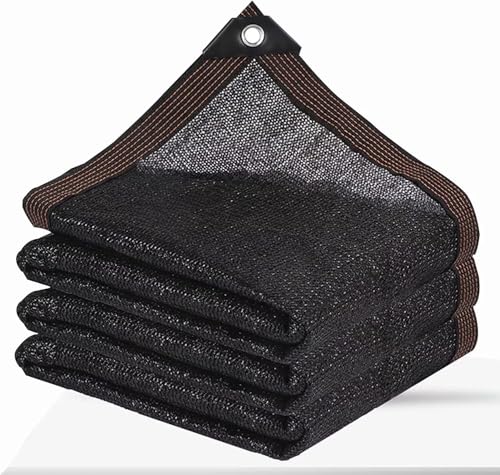
Brand: ZOZIJIU. This UV-protective shade cloth uses high-density polyethylene to block sunlight while allowing air and water to pass through. It’s designed for greenhouses, plant covers, and chicken coops. The six-wire stitched edges and reinforced corners improve durability, and aluminum grommets along the sides simplify hanging in fixed positions.
Best for: Small greenhouse spaces, pergolas, patios, and poultry housing where you want substantial shade without compromising airflow. Choose this if you need a lightweight, easy-to-hang option with strong edge construction.
Caution: The 70% shade rate may still allow considerable sunlight in very bright climates; plan for layering or placement in partial shade during peak sun hours.
90% Blackish Green Shade Cloth (6.5×10 ft)

Brand: Glieskir. This high-density polyethylene mesh blocks up to 90% of sunlight while maintaining airflow, making it strong for hot climates. The cloth is reinforced with six-needle stitching on all edges to resist tearing, and it features grommets every 5 feet along the sides for straightforward installation in greenhouses, gardens, or chicken coops.
Best for: Larger greenhouse areas or outdoor spaces in intense sun, where maximum shading is needed. It’s also suitable for gardeners who water regularly, as watering can occur without removing the cloth.
Caution: The heavier shade rate reduces light, so it’s less suitable for shade-tolerant crops or seedlings that require strong light to thrive.
TREEVEX 55% Shade Cloth for Gardens

Brand: TREEVEX. This 6.5×10 ft cloth provides about 55% shade, balancing protection with sunlight for a broad range of vegetables and flowers. Made from HDPE, it’s designed to resist wear and tear and can be cut to fit irregular spaces. The mesh supports airflow and cooling while softening UV exposure to help regulate temperatures and reduce watering needs.
Best for: Gardeners who want to soften sun intensity without drastically reducing light, especially for vegetables, herbs, and flowering plants in moderate climates. Choose this if you want a flexible size that’s easy to trim to fit frames or trellises.
Caution: Cutting may affect edge integrity; ensure any trimmed edges are sealed or reinforced to prevent fraying.
QLOFEI Shade Cloth For Multiple Outdoor Uses

Brand: QLOFEI. This shade cloth emphasizes versatility with options for various sizes and reinforced construction. HDPE material provides strength and durability with good airflow. Edges are reinforced with lock-stitch knitting to minimize unraveling, and grommets are placed along the edges to facilitate easy hanging on frames, fences, or posts.
Best for: Budget-conscious shoppers who need multiple sizing options to cover different garden beds, kennels, or hoop houses. Choose this if you plan to experiment with different layouts or need a practical shade solution across several zones.
Caution: Availability of sizes may vary; double-check dimensions before purchase to ensure you can accommodate your setup.
winemana 40% Shade Cloth For Seasonal Use

Brand: winemana. This 20×20 ft cloth offers a moderate 40% shade rate, suitable for seedlings and cooler-season crops. The HDPE mesh provides airflow to prevent heat buildup, making it a flexible choice for greenhouses, patios, or chicken coops. Features reinforced hems and grommets for straightforward installation.
Best for: Early spring plantings or crops that require some shade but still need a portion of direct light. Choose this if you want to establish a protective canopy without completely blocking sunlight.
Caution: With a 40% shade rate, it may not be sufficient during peak summer for sun-loving plants; layering or pairing with a lighter cloth might be necessary in hot climates.
winemana 70% Shade Cloth For Large Areas

Brand: winemana. This is a larger 20×30 ft shade cloth with a 70% shading rate and taped edge. It’s designed to block most sunlight while maintaining airflow for plant protection and comfortable outdoor spaces. The heavy-duty construction and grommets around the edges simplify setup on larger frames, barns, or kennels.
Best for: Large greenhouses, expansive patios, or barn and kennel shading where substantial reduction of heat and UV exposure is needed. Choose this if you require a single continuous piece to cover a wide area.
Caution: The high shade rate reduces light significantly; plan for plant varieties that tolerate or need less direct sun, or plan to use the cloth primarily during peak sun hours.
Buying Guide: Key Considerations For Shade Cloth Selection
- Shade rate and climate: Light-dense climates benefit from 40-55% shade cloth, while very sunny environments may require 70-90% shading. Assess your plant needs and local heat levels.
- Material and durability: Look for HDPE with reinforced edges and lock-stitch seams. UV-stabilized fabrics resist fading and wear over multiple seasons.
- Size and cutability: Common sizes like 6×10 ft or 6.5×10 ft offer flexibility. If you need a custom fit, choose cloth that is easy to trim without fraying.
- Installation features: Grommets along edges and reinforced corners simplify hanging. Consider a product with pre-punched holes every 40 inches or every few feet depending on the frame.
- Airflow and water access: Mesh designs should allow water and air to pass. This helps prevent overheating and supports plant irrigation when covered.
- Best use case: Identify whether you’re shading a greenhouse, kennel, chicken coop, patio, or raised beds. Different configurations work better for vertical frames, hoop houses, or freestanding pergolas.
- Maintenance and cleaning: Choose fabrics that are easy to clean and dry quickly. Avoid fabrics prone to mold in humid environments.
Frequently Asked Questions
- What shade cloth is best for a greenhouse in a hot climate? – A higher shade rate (60-90%) is often preferred in very sunny climates to reduce heat, while preserving enough light for plant growth.
- Can shade cloths be used to protect chickens or pets outdoors? – Yes, shade cloths with reinforced edges and grommets are suitable for chicken coops and kennels where airflow is needed to keep animals cool.
- Will shade cloth block all sunlight? – No. Shade cloth reduces but does not completely block sunlight. The exact percentage depends on the product and shade rate chosen.
- How should I install shade cloth on a frame? – Use edge grommets to secure cloth with zip ties, rope, or hooks. Ensure the cloth is taut and corners are reinforced to prevent tearing.
- Is it safe to water plants under shade cloth? – Yes, most shade cloths allow water through so irrigation can occur without removing the fabric.
- How do I know what size to buy? – Measure the area you want to shade, then match it to common sizes and consider extra overlap for mounting hardware and tensioning.
Buying shade cloth involves balancing the amount of shade with the need for light, airflow, and ease of installation. The products above provide options for small setups to large-area shading, with varying shade rates to fit different climate zones and crop needs. Consider your target crop types, the size of your structure, and how much airflow and water access you require when selecting a cloth.