Answering the needs of treasure hunters, this guide highlights practical digging tools designed to complement metal detecting searches. These picks are best for beginners seeking a reliable starter set, casual hobbyists exploring beaches or parks, and seasoned detectors who want durable, everyday digging gear. Each product is evaluated for portability, durability, and how it supports precise target recovery.
Summary table of selected products:
| Product | Best For | Key Benefit | Material |
|---|---|---|---|
| CKG Carbon Metal Detecting Set | Light travel and versatile digging | Lightweight carbon build with strong durability | Carbon steel with carbon handle |
| INCLY Sand Scoop & Shovel | Beach and riverbed treasure hunts | 129-hole sand scoop for fast sifting | Heavy-duty plastic |
| CKG Metal Detecting Shovel (Double Serrated) | Rigorous digging and hard soil | Double serrated blade for fast cuts | Heavy-duty steel |
| CKG Metal Detector Shovel (Double Serrated) | All-around treasure digging | Reinforced welding and durable construction | Stainless steel |
| SIVEIS Long Handle Sand Scoop | Professional beach prospecting | Fully welded, rivet-reinforced for strength | 304 stainless steel |
CKG Carbon Metal Detecting Set

Best for: Treasures where portability and light lifting matter. This set combines a carbon shovel with a durable handle, suitable for detectors moving across gravel, soil, and sand without fatigue.
Why selected: The lightweight carbon construction balances strength and ease of transport. The carbon handle supports substantial loads while remaining comfortable for extended sessions.
Limitations: The data emphasizes lightweight design; for extremely rocky soil, a heavier option may offer more leverage.
INCLY Sand Scoop & Shovel
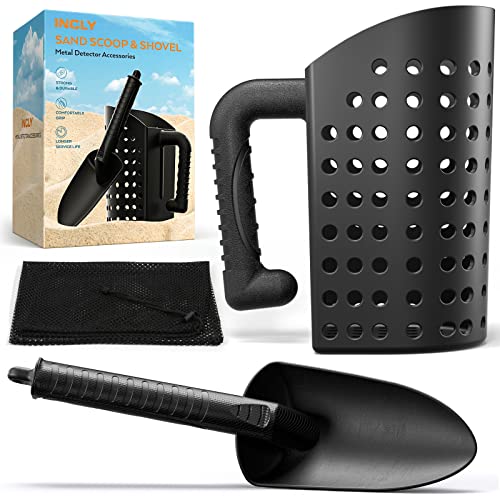
Best for: Beach and river treasure hunts where quick sand separation speeds up target recovery.
Why selected: The 129-hole design accelerates sifting, making it a practical companion for detectors hunting on soft surfaces. It’s designed to resist weather and salt exposure.
Limitation: Plastic construction may be less durable under heavy, repeated use compared to metal shovels in rocky environments.
CKG Metal Detecting Shovel (Double Serrated)
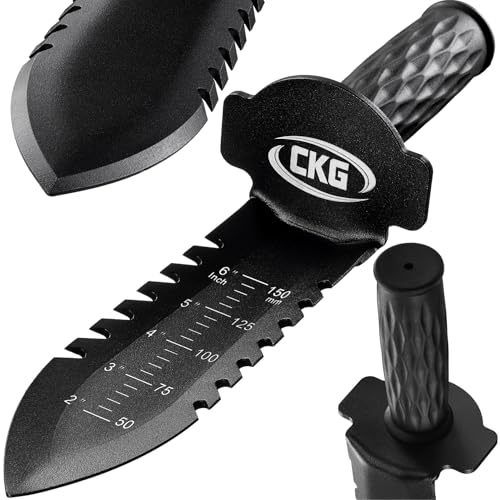
Best for: Heavy-duty digging with roots and dense soil where serious leverage is required.
Why selected: The heavy-duty steel and double serrated blade provide fast cutting and reliable durability for tough digging tasks, especially in garden or outdoor soil environments.
Limitation: May be heavier to carry over long hikes; consider this when prioritizing portability over pure strength.
CKG Metal Detector Shovel (Double Serrated)
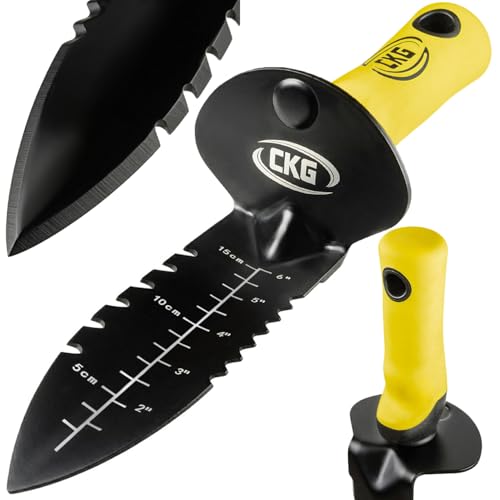
Best for: All-around digging with reinforced construction for long treasure hunts and varied terrains.
Why selected: Reinforcement and corrosion resistance support durability across gardening, camping, and metal-detecting adventures. The tool is designed to handle multiple project types beyond treasure hunting.
Limitation: Data highlights steel durability; ensure you have a comfortable strap or sheath for transport to protect the blade edge.
SIVEIS Long Handle Sand Scoop
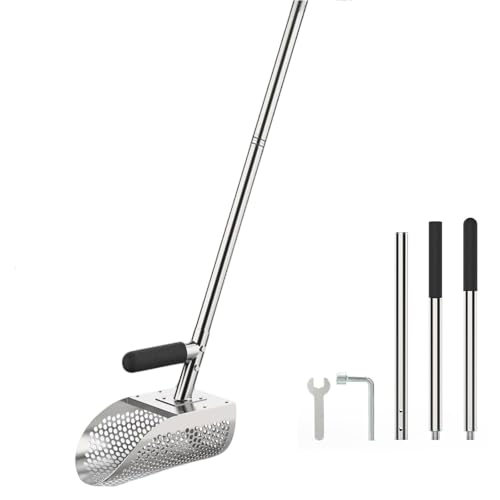
Best for: Professional beach treasure hunting with adjustable reach for different user heights.
Why selected: The 304 stainless steel build resists corrosion, and the three-section handle offers versatility for varying digging depths while maintaining a solid, fully welded structure.
Limitation: Fully welded construction may limit replacement or customization of parts; consider modular options if you expect frequent tool swaps.
SE Green Prospector’s Scoop
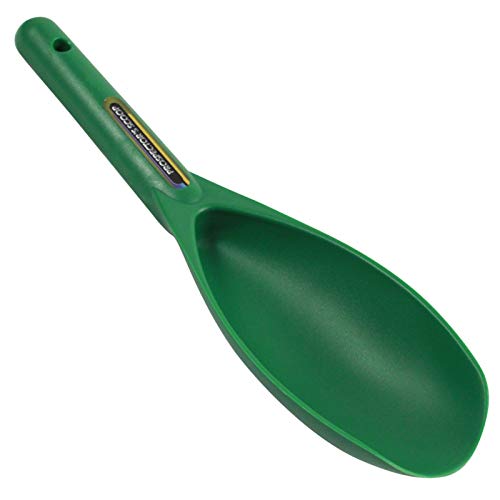
Best for: Gold prospecting and gardening where metal interference must be avoided.
Why selected: Non-metallic design ensures detector signals aren’t disrupted, and its bright color improves visibility in cluttered hunting environments.
Limitation: Plastic construction may wear more quickly with frequent hard digging or rocky soil compared to metal tools.
GreenRex Metal Detector Shovel
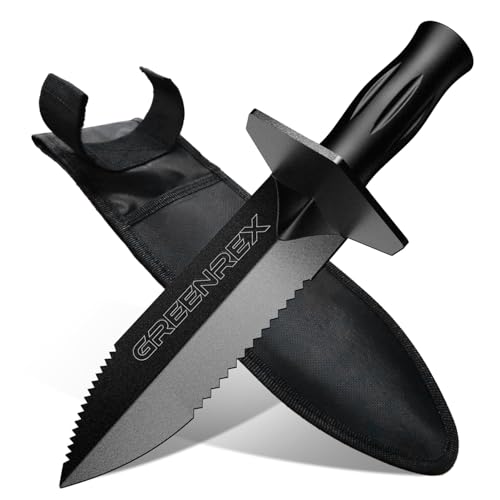
Best for: Heavy-duty digging where smooth, deep cuts are needed to recover targets quickly.
Why selected: The thick manganese steel and double serrated edges enable efficient cutting through roots and dense soil, with depth markings for precise recovery planning.
Limitation: The tool’s heft is advantageous for power but may require more user strength during long sessions.
Buying Guide: Key Considerations For Treasure-Hunting Digging Tools
- Material: Choose between carbon steel for strength and weight, stainless steel for corrosion resistance, or heavy-duty plastic for light, detector-friendly options. Material affects durability, edge retention, and how much you’ll need to carry.
- Blade design: Double serrated edges can slice through roots and compact soil, while flat blades may be better for prying. Consider serration if you frequently encounter tough ground.
- Handle and grip: Ergonomic handles reduce fatigue. Look for comfortable grips and, if possible, extensions that fit your height and digging style.
- Length and reach: Longer handles help reduce bending; adjustable or telescoping designs adapt to different users and digging scenarios.
- Weight: Lighter tools reduce fatigue for long sessions, but heavier tools can offer more leverage in stubborn soil. Balance is key.
- Detector compatibility: Some digging tools are designed to avoid interference with metal detectors. Non-metallic scoops and specific shapes can help maintain signal clarity.
- Durability in conditions: Beach and riverbed use requires rust-resistant materials; rockier terrain benefits from reinforced blades and robust welds.
- Maintenance: Choose tools that are easy to clean and dry after exposure to sand, saltwater, or soil to extend lifespan.
- Portability: If you hike to sites, weight, compactness, and included sheaths or pouches matter for transport and quick access.
Frequently Asked Questions
- What tool is best for beginner treasure hunting? — A lightweight, durable shovel with a comfortable handle, plus a long-handled scoop for beaches, offers quick recovery without excessive fatigue.
- Should I use a plastic or metal scoop for metal detecting? — Metal detectors can work with both, but non-metallic scoops avoid signal interference, which can improve accuracy in some sand or soil conditions.
- Do I need a serrated edge? — A double serrated edge helps cut through roots and compact soil, speeding target recovery in tough ground.
- Is a telescoping handle worth it? — Yes, if you hunt at multiple heights or want to switch between sitting and standing digging, as it adds versatility without a bulky single-piece tool.
- How do I prevent rust on metal digging tools? — Rinse with fresh water after exposure to saltwater, dry thoroughly, and store in a dry place. For stainless steel, routine cleaning helps maintain edge and finish.
- Can I use these tools for gardening? — Many listed tools are designed for gardening and landscaping in addition to treasure hunting, but verify blade edge and handle design to suit garden tasks.