Answering the common question “which terra cotta sprouting tray is right for me?” this guide highlights top terracotta and terracotta-inspired sprouters that balance moisture control, ventilation, and ease of use. These trays are best for budget-conscious beginners, indoor gardeners seeking toxin-free options, and small-space growers who value natural temperature regulation. Each product below is selected for clear benefits, practical use, and compatibility with common sprouting seeds. A quick buyer’s table summarizes how these trays fit different needs at a glance.
| Product | Best For | |
|---|---|---|
| Verdant Republic Clay Sprouter Kit | All-around sprouts and microgreens | 2-in-1 terracotta vessel with 3 trays and paper discs |
| Kikkerland Terracotta Seed Sprouters | Moisture balance without overwatering | Natural clay with porous structure for airflow |
| Lawnifi Terracotta Seed Tray | Organized multi-seed setups | Self-watering with drip tray, non-toxic materials |
| Village Decor Seed Sprouting Tray | Compact single-tray sprouts | Terracotta with defined dimensions and lid |
| LUVCOSY Microgreen Trays | Small seeds with humidity control | 4-pack with mesh trays and humidity domes |
Verdant Republic Clay Sprouter Kit

The Verdant Republic Clay Sprouter Kit uses lead-free terracotta to create a natural, breathable environment for sprouts and microgreens. The 2-in-1 vessel includes three stackable germinating trays, a water-collecting tray, and a lid, plus ten paper discs for smaller seeds. This setup supports a range of sprouts from mung beans to kale microgreens. It is best for buyers who want a compact, all-in-one system with reliable moisture regulation provided by the porous clay. The terracotta’s natural cooling helps prevent heat buildup during warm days or indoor heat. A potential limitation is the need for careful handling to avoid cracking in dry conditions, and it may require more frequent rinsing to prevent mineral buildup in the clay pores.
- Best for: Beginners and experienced sprouters seeking an all-in-one terracotta kit.
- Why chosen: Offers a complete starter setup with discs and e-book, plus natural temperature regulation.
- Caution: Clay surfaces can crack if dropped or dried out; gentle handling is advised.
Kikkerland Eco Friendly Terracotta Sprouters
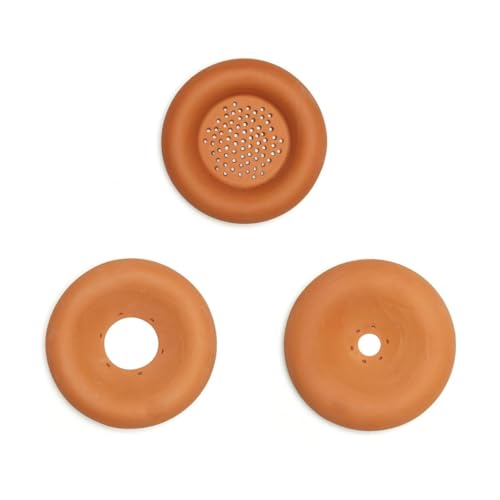
Kikkerland’s terracotta sprouters prioritize moisture regulation through porous clay, absorbing excess water and releasing it gradually to keep sprouts hydrated without drowning them. Made from natural clay, these trays present an eco-friendly option with minimal risk of chemical leaching. The design emphasizes good airflow to prevent overly humid conditions that can lead to mold. This choice is best for small-batch sprouting where steady moisture balance is key and users want a simple, chemical-free setup. A potential limitation is that terracotta alone may require more frequent monitoring for water levels in dry indoor environments.
- Best for: Small-scale sprouters who want a natural, chemical-free option.
- Why chosen: Porous clay supports balanced moisture and airflow.
- Caution: Monitor moisture closely to avoid drying out or overwatering.
Lawnifi Terracotta Seed Starting Tray

This Lawnifi tray emphasizes organization and scalability with ten cells and a drip tray. It is designed for multi-seed setups and uses non-toxic, plastic-free materials suitable for indoor or outdoor use. The included saucer protects surfaces from drips, providing a tidy sprouting environment. Choose this if you want a durable, self-contained tray that keeps different seed varieties neatly separated while maintaining clean drainage. One limitation is that exact drainage rates depend on seed type and environment, so users may need to adjust watering frequency accordingly.
- Best for: Growers who multi-task with several seed varieties at once.
- Why chosen: Self-watering features and a dedicated drip tray support steady care.
- Caution: Drainage needs vary by seed; monitor moisture to prevent waterlogging.
Village Decor Terracotta Sprouting Tray

The Village Decor terracotta tray offers a compact option with a 6-inch diameter and a lid, ideal for space-conscious setups. Its compact size makes it suitable for beginners testing sprouting ideas or households with limited counter space. The included lid helps maintain humidity while keeping contaminants out. The material and dimensions are appropriate for single-crop trials or small batches of sprouts. A limitation to note is the smaller capacity, which may require more frequent cycles for larger sprout projects.
- Best for: Beginners or limited-space growers focusing on single trays.
- Why chosen: Simple terracotta design with a lid for humidity management.
- Caution: Smaller capacity means more frequent cycles for larger projects.
LUVCOSY Microgreen Tray 4-Pack

LUVCOSY’s four-pack microgreen trays include 5.9 by 5.9-inch trays with 1.2 mm seed holes and clear humidity domes. The set comes with inner mesh trays and bottom water reservoirs, offering solid ventilation and moisture control for seeds like broccoli, alfalfa, and radish. The domes help stabilize humidity while the mesh promotes airflow to reduce mold risk. This option is best for gardeners who want a ready-to-use kit with adjustable humidity and easy cleaning. A caveat is that the domes should not be placed in dishwashers, which may require hand-washing care.
- Best for: Home sprouters seeking a complete, ready-to-use kit.
- Why chosen: Combines humidity control, mesh airflow, and dishwasher-safe bottom tray (top domes not dishwasher-safe).
- Caution: Hand-wash domes to protect plastic components and vents.
Buying Guide: Terra Cotta Sprouting Tray Essentials
When selecting a terra cotta sprouting tray, consider how moisture management, airflow, and space fit your routine. Terracotta’s natural porosity helps regulate humidity and temperature, which benefits many sprouts. Look for these practical factors:
- Size and capacity: Choose based on batch size and space. Smaller trays suit beginners; larger, multi-tray systems suit frequent sprouting.
- Water management: Drip trays, bottom reservoirs, and lids influence moisture levels. Overwatering is a common pitfall; ensure proper drainage.
- Materials: Lead-free and food-safe clay or terracotta is essential for sprouts intended for raw consumption.
- Ventilation: Trays with air holes or mesh promote airflow to prevent mold and rot.
- Maintenance: Some items are dishwasher-safe; others require hand washing. Consider ease of cleaning in your routine.
- Seed compatibility: Ensure the tray supports the seeds you plan to sprout, including mucilaginous seeds if relevant.
What to prioritize for different buyers
- Best for beginners: All-in-one kits with clear instructions and included discs or e-books.
- Best for small spaces: Compact trays with lids or single-tray setups.
- Best for multi-seed growers: Multi-cell trays with separate compartments and drip protection.
- Best for eco-conscious buyers: Natural terracotta with minimal additives and non-toxic materials.
Usage and care tips
- Rinse seeds thoroughly before soaking to remove debris.
- Rinse and drain regularly to maintain airflow and prevent stagnation.
- Place trays in a bright, indirect area with stable temperatures for consistent sprouting.
- Allow proper drying between cycles to extend tray life and reduce mold risk.
Maintenance comparison
Table: Quick care snapshot
| Tray Type | Moisture Strategy | Easy to Clean | Best Use |
|---|---|---|---|
| Verdant Republic | 2-in-1 with paper discs | Moderate | All-around sprouts |
| Kikkerland | Porous clay, natural moisture release | Moderate | Balanced moisture |
| Lawnifi | Self-watering with drip tray | Moderate | Multiple seed varieties |
| Village Decor | Terracotta with lid | Moderate | Single crops |
| LUVCOSY | Humidity domes and mesh | Moderate | Small seeds |
Frequently asked questions
- Are terra cotta sprouting trays safe for food production? Yes, when made from lead-free, food-safe clay and used with clean seeds.
- Can terracotta trays be used outdoors? Many terracotta sprouters tolerate indoor or covered outdoor use, but direct sun can affect moisture balance; place in indirect light.
- How often should I water sprouting trays? Water frequency depends on seed type and environment; check moisture and drain excess water to avoid soggy roots.
- Do terracotta trays require special cleaning? Simple rinsing is usually enough; some trays may be dishwasher-safe, but verify product guidelines to avoid damage.
- Which tray is best for beginners? Look for an all-in-one kit with clear instructions and included accessories, like discs or an E-book.
- Is terracotta better than plastic for sprouting? Terracotta often offers better natural moisture regulation and airflow, reducing mold risk when used correctly.