Looking for the best weed wacker blades for electric trimmers? This guide compares top 5 options to help you pick blades that cut thick weeds, prune branches, and trim lawns without fuss. Ideal for homeowners, DIY landscapers, and anyone who wants faster, cleaner edge-work with corded or cordless trimmers. The table below summarizes key specs and suitability to save you time.
| Product | Best For | Notes |
|---|---|---|
| Xbzzgmg Electric Weed Wacker 7-Pack | Thick shrubs and dense weeds | Includes saw, rhombus, and S-blades |
| Cokacot 6 Inch Weed Wacker Blade | General lawn edges | Metal blades, sharp, easy to install |
| harmkrola Replacement Blades | Versatile everyday trimming | 3 blade types in one set |
| ALSO GO 24V Electric Weed Wacker | 3-in-1 tool with blades | Includes multiple blades and wheels |
| CGNRONEAU 4Pack 6 Inch Blades | Heavy weed and shrub cutting | Includes metal and saw blades |
Xbzzgmg Electric Weed Wacker 7-Pack Blade Accessories
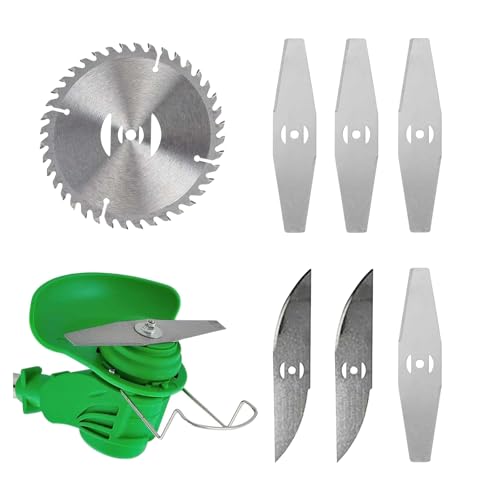
The Xbzzgmg pack provides three blade styles: a saw blade for thick shrubs, rhombus blades for dense weeds, and S-blades for trimming. Best for buyers who want a versatile kit that covers heavy trimming plus edging. The set claims longer blade life and corrosion resistance, suitable for cordless Weedeater tools. Caution: ensure correct size compatibility with your model before purchasing, as not all lawn mowers fit these blades.
Cokacot 6 Inch Weed Wacker Blade

This 6-inch metal blade set emphasizes durability and sharp cutting power for lawn edges and light shrub work. It’s easy to install and designed for cordless brush cutters, making it a solid choice for frequent edge trimming. Best for homeowners who want a robust, sharp blade with straightforward replacement. Safety note: blades are sharp; wear gloves when changing blades to prevent injury.
harmkrola Replacement Blades

This kit offers three blade types: plastic blades for soft grass, metal blades for weeds and light branches, and manganese steel saw blades for thicker brush. It ships with multiple pieces (saw blades, stainless steel blades, plastic blades) to cover various trimming tasks. Best for buyers who need a versatile backup blade set. Choose this if you want quick option switching, but avoid plastic blades on thick shrubs.
ALSO GO 24V Electric Weed Wacker

This 3-in-1 system uses a 24V motor with two 2000mAh batteries, offering up to 11,000 RPM for fast weed clearing. It ships with five blade types and wheels for flexible yard work. Best for users seeking a cordless, all-in-one solution for mowing, edging, and light mowing tasks. Better for larger yards or frequent trimming, though weigh the unit against portability if stair climbs or frequent lifting are needed.
CGNRONEAU 4Pack 6 Inch Blades

This 4-pack includes 6-inch blades with both metal and saw-style blades for cutting thick grasses, shrubs, and small branches. It emphasizes durability and safety and is aimed at users who want reliable, heavy-duty cutting options for electric trimmers. Useful for shrub margins and tough undergrowth. Note: follow safety guidelines and power-off rules when changing blades.
Buying Guide: How To Choose Weed Wacker Blades For Electric Trimmers
What blade type should you choose? Blade selection depends on vegetation and trimming goals.
- Thick weeds and shrubs: consider metal or carbide-tipped blades and saw blades for tougher branches.
- Soft grass edging: plastic or lighter metal blades reduce risk to turf and are easier on the mower.
- Durability and maintenance: blades labeled corrosion-resistant or manganese steel typically last longer in challenging conditions.
What should you look for in compatibility and safety?
- Size and mounting: confirm diameter and arbor size before purchasing to ensure a proper fit with your electric trimmer.
- Ease of installation: models that use standard screws and basic tools speed blade changes. Always disconnect power before swapping blades.
- Storage and packaging: some sets include oil, guards, or wrenches — these extras help extend blade life and safety.
How to use different blade types effectively?
- Saw blades: best for thick brush and woody detritus; use with controlled strokes to avoid kickback.
- Rhombus and flat metal blades: versatile for weeds and light branches; balance cutting speed with turf protection.
- Plastic blades: suitable for tender grass but avoid thick weeds or shrubs with these blades to prevent overheating.
Maintenance and safety tips
- Inspect blades for chips or cracks before each use; replace if damaged.
- Keep blades sharp for cleaner cuts and reduced strain on the motor.
- Wear gloves and eye protection; never operate with a damaged guard or loose screws.
Frequently Asked Questions
- Q: Are metal blades safe on a standard electric weed wacker? A: Yes, when used as intended and with proper guards, metal blades can be safe and effective for tougher vegetation.
- Q: Can I mix blade types in one job? A: Yes, switch between blades when moving from thick brush to fine grass for efficiency, following manufacturer guidance.
- Q: Do these blades require maintenance? A: Some kits include oils or rust-prevention notes; generally, wipe clean and store dry between uses.
- Q: How do I know if a blade is compatible with my tool? A: Check the blade diameter, mounting hole size, and compatible model list from the manufacturer.
- Q: What safety gear should I wear? A: Eye protection, gloves, long sleeves, and sturdy footwear are recommended during blade changes and trimming.