Find the right feeder to draw bluebirds into your outdoor space with confidence. This guide highlights five select options that target bluebird visits, explaining who each feeder is best for, why it stands out, and practical limits to consider. Whether you want a compact feeder for a small garden or a weatherproof cage feeder for year-round bluebird viewing, these picks help you choose wisely.
Quick product snapshot:
- Gbekery Caged Bluebird Feeder — best for small yards needing a compact, squirrel-resistant setup.
- Kingsyard Bluebird Feeders for Outdoors — best for durable all-metal construction and easy refilling.
- Kingsyard Squirrel Proof Platform Bird Feeder — best for a versatile platform with strong protection from pests.
- Kingsyard Upgraded Bluebird Feeder — best for dried mealworms and season-to-season use.
- Kingsyard Bird Feeder with Two Dishes — best for families wanting a simple, double-dish setup.
Gbekery Caged Bluebird Feeder for Mealworms
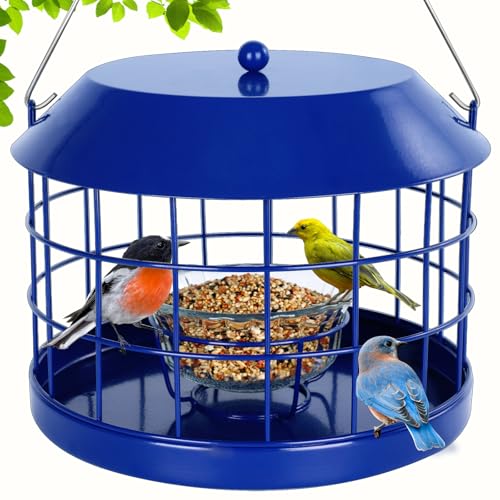
The Gbekery feeder is a compact, metal caged design designed to attract small birds specifically, including bluebirds, by using a 1.5×1.5 inch mesh opening. This size helps deter larger birds and squirrels while keeping the mealworm feeding accessible to target species. The roof lifts for easy filling and cleaning, and the glass bowl can hold mealworms, water, jam, or other soft foods. Best for yards with limited space or homeowners who want a dedicated small-bird feeder that minimizes access by non-target visitors.
Best for: small yards or patios where space is at a premium and smarter pest control matters. It’s also suitable for feeders that double as a water dish for bluebirds during dry periods. Choose this if you prefer a simple, weather-resistant metal design that’s easy to maintain.
Caution: the glass bowl adds a potential break risk in high-wind areas or busy outdoor spaces. Ensure the feeder is securely hung and placed away from heavy foot traffic to minimize accidental damage.
Kingsyard Bluebird Feeders for Outdoors (All Metal)

This all-metal, cage-style feeder emphasizes durability with rust-resistant coating and a 1.5×1.5 inch fly-through opening, designed to discourage squirrels and other large visitors. A glass bowl accommodates bluebird favorites such as mealworms or insect-based treats while the top remains easy to lift for refills. It’s a strong, year-round option for homeowners who want a bluebird-friendly feeder that can weather wind and rain while maintaining access for the small birds.
Best for: homeowners seeking a sturdy, long-lasting cage feeder that prioritizes bluebird access and year-round resilience. It’s a solid pick when you want a durable choice that can hold up against outdoor elements.
Caution: the design, while squirrel-resistant, may require regular checks to ensure the glass bowl remains secure and that the mesh openings stay free of debris to avoid feed blockages.
Kingsyard Squirrel Proof Platform Bluebird Feeder

This platform feeder uses a secure metal mesh cover with 1.5×1.5 inch openings, designed to keep larger visitors out while offering access to bluebirds, chickadees, and nuthatches. The all-round openings and fly-through design promote varied bird visits, while recycled plastic combined with rust-free metal provides durability in diverse weather. It’s a versatile option for those who want a platform-style feeder that emphasizes protection and easy access for small birds.
Best for: bluebird-friendly feeding where a platform design suits your garden layout and you want a robust, chew-resistant option. It’s particularly good if you value broad bird access with strong pest deterrence.
Caution: the recycled plastic components may require periodic cleaning to maintain the smooth operation of the feeding ports; avoid overfilling to prevent spillover in windy conditions.
Kingsyard Upgraded Bluebird Feeder With Widen Perch
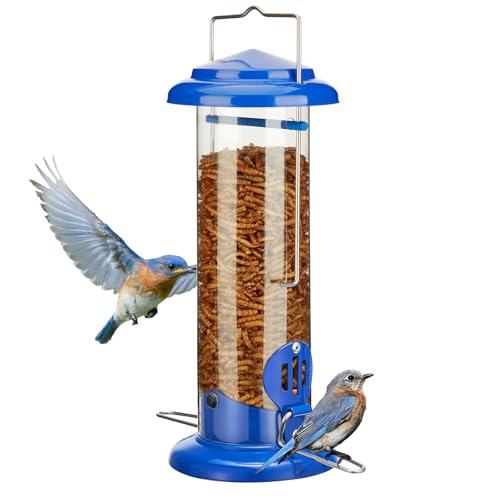
This upgraded model focuses on dried mealworms and a wider perch to accommodate bluebirds feeding comfortably. The feeder features protective metal coating for all-season use, a safety lid for weather protection, and drainage holes to keep mealworms fresh in rain or snow. The design emphasizes accessibility and freshness, making it a practical choice for bluebirds that enjoy mealworms as a preferred snack.
Best for: feeders prioritizing dried mealworms and ease of refilling, especially for households that want straightforward maintenance and long-term durability.
Caution: the wide perch design should be monitored to ensure the birds do not dislodge feeding ports during active feeding times; ensure the lid remains securely closed in windy conditions.
Kingsyard Two-Dish Bluebird Feeder
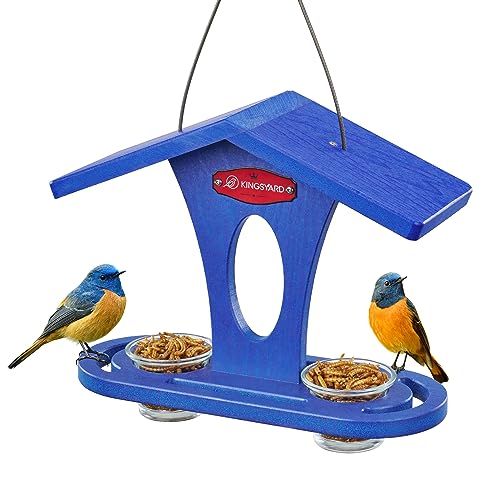
This feeder offers two clear glass dishes with a large landing tray to attract bluebirds with favored treats. The recycled plastic and glass construction is designed to withstand outdoor weather, with a scalloped-edge tray and a 10.5 x 4.5 x 7.5 inch footprint. It’s easy to fill and clean, and the included cable hanger allows flexible placement for optimal sun or shade in your yard. The design emphasizes decorative appeal with practical function for year-round use.
Best for: households seeking a simple, visually appealing option with two separate feeding dishes to diversify offerings and reduce crowding at a single port. Choose this if you want an easy-to-manage setup that still looks good in the garden.
Caution: plastic components can wear with heavy sun exposure; use in areas with adequate shade to minimize discoloration and material fatigue over time.
Buying Guide: How To Choose The Best Bluebird Feeder For Your Yard
- Cage-style feeders protect mealworms and small seeds while keeping larger birds away. Platform feeders offer more space but may require more frequent cleaning. Consider your yard size and the typical local birds to determine the best type for attracting bluebirds.
- Feeder material: Metal builds are highly durable and weather-resistant, while recycled plastics can be lighter and cost-effective but may show wear sooner. A protective coating helps extend life in damp climates.
- Opening size: For bluebirds, aim for openings around 1.5 x 1.5 inches to deter squirrels and larger species while allowing easy access for the target birds. Mesh or fly-through designs can influence which species visit.
- Food compatibility: Mealworms are a bluebird favorite, but some feeders support a mix of seeds, suet, and nectar. Check the feeder’s compatibility with your preferred bluebird treats and the local seasonal supply.
- Maintenance: Easy-to-clean designs with removable roofs or trays reduce maintenance time. Consider how often you’ll need to refill and clean to keep feeding residues from attracting pests.
- Placement and safety: Hang or mount feeders in sheltered spots away from heavy foot traffic and predators. Elevation and distance from trees reduce the risk of squirrel incursions and weather damage.
- Weatherproofing: In areas with rain and snow, look for covers or roofs that protect the feeding area and help keep feed dry, reducing waste and mold risk.
Frequently Asked Questions
- What feed do bluebirds prefer? Mealworms and insect-based foods are widely favored by bluebirds, often delivering the strongest attraction when offered consistently.
- Will a squirrel-proof feeder really keep them out? Squirrel-resistant designs that use small openings and enclosed cages are more effective; no feeder is 100% squirrel-proof in all conditions, but these designs significantly reduce access.
- How often should I refill bluebird feeders? Refill as needed to keep feed fresh and dry; in wet or humid weather, more frequent checks help prevent spoilage.
- Where should I place a bluebird feeder? Place feeders in open, sunny areas with nearby perches but away from dense shrubbery that could harbor predators. Maintain some shaded moments to protect feed during heat.
- Are bluebirds attracted to bluebird-specific feeders only? Not strictly; bluebirds respond to environments offering accessible, clean food and light protection. A feeder that suits their preferred foods and is easy to access can attract them even if not marketed as “bluebird-only.”
- Do I need multiple feeders? Yes, multiple feeders can reduce competition among birds and provide more consistent feeding opportunities across different times of day and weather conditions.