Creating a thriving aquaponics setup in a home aquarium pairs decorative greenery with live fish in a symbiotic cycle. The right plants help purify water while benefiting from fish waste as nutrients. This guide highlights five top picks designed for aquaponic use, detailing how each supports plant growth and water quality. Read on to compare features, placement ideas, and practical care tips to optimize your tank’s ecosystem.
Summary of Selected Products
| Product | Brand | Primary Use | Key Benefit |
|---|---|---|---|
| Penn-Plax Aquaponic Planter and Aquarium for Betta Fish | Penn-Plax | Aquaponic planter combined with fish tank | Symbiotic plant/fish environment; versatile plant options |
| Upgraded Large Aquarium Plant Holder with Hooks and Suction Cups | Borlech | Plant growth in-tank with roots protected | Improved water flow and stability |
| Penn-Plax (APON1) Aquaponic Planter and Aquarium for Betta Fish Tank | Penn-Plax | Betta-focused Aqua-Ponic Tank | Compact design; easy setup |
| Hydroponic Garden Aquaponic Fish Tank Plants Growing System | Huamuyu | Self-cleaning seed sprouter tray | Reduced maintenance; plants aid filtration |
| Live Freshwater Aquarium Plants – 5 Assorted Bundle | Surmen Legacy | Beginner-friendly live plants | Quickly establish natural habitat |
Penn-Plax Aquaponic Planter and Aquarium for Betta Fish

Brand: Penn-Plax
Features: Betta tank and hydroponic planter enable a symbiotic environment. Ultra-clear plastic tank replicates a natural metabolic cycle. Suitable fish options include Bettas and several small species. Planting suggestions include Peace Lily, Chinese Evergreen, Lucky Bamboo, English Ivy, Mint, Watercress, Chives, and leafy lettuce. Established plants are preferred over starting from seed.
In aquaponics, this setup leverages fish waste to nourish plants while plants help remove dissolved nutrients from the water. The design emphasizes visibility of the ecosystem in action, helping hobbyists observe the cycle in real time. Placement near a light source supports leafy growth, and using established plants reduces transition stress for fish.
Upgraded Large Aquarium Plant Holder With Hooks And Suction Cups

Brand: Borlech
Features: Designed for growing aquatic and semi-aquatic plants. Features multiple slits and bottom holes to ensure water flow through plant roots, promoting circulation. Can be hung on the glass edge or attached with suction cups. A larger planting area provides stability for pothos, bamboo, lotus, and other semi- or fully aquatic species.
Benefits include better root aeration and reduced risk of plant uprooting by fish activity. The holder helps create distinct planting zones within the tank, contributing to a neater aquascape and healthier plant roots. It’s a versatile option for hobbyists who want flexible mounting and robust water movement around roots.
Penn-Plax (APON1) Aquaponic Planter and Aquarium for Betta Fish
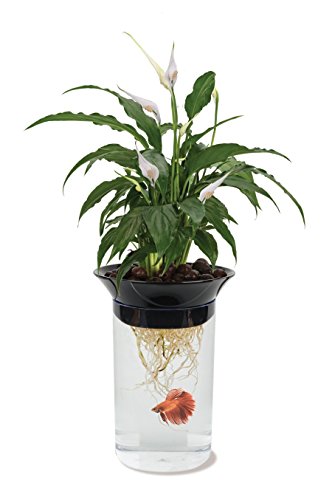
Brand: Penn-Plax
Features: 0.5-gallon Aqua-Ponic Tank designed for Bettas. Water level should be adjusted to allow surface breathing. Weekly partial water changes are recommended. Planting suggestions mirror other planters, favoring established plants like Peace Lily and Mint over seeds.
The APON1 model emphasizes compact design with a focus on easy maintenance. It supports a small, visually engaging ecosystem that demonstrates the fundamentals of aquaponics in a home setting. Suitable for beginners exploring combined plant and fish habitats, particularly where desk or countertop space is limited.
Hydroponic Garden Aquaponic Fish Tank Plants Growing System
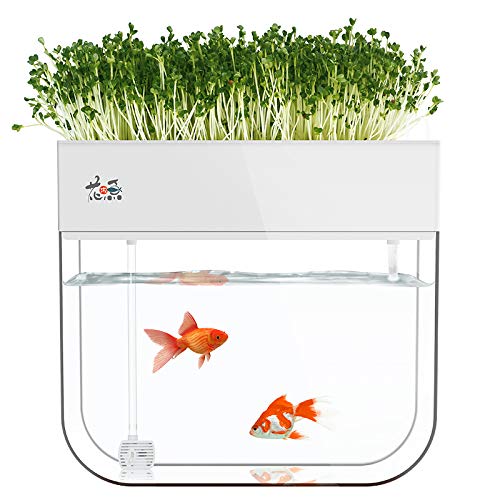
Brand: Huamuyu
Features: Combines fish tank and seed sprouter. The fish waste nourishes plants, while plants help purify water. Self-cleaning design reduces routine maintenance by about 50%. Water level fluctuations create natural oxygenation, and plant roots can breathe without frequent watering or fertilizing.
This system highlights a low-maintenance approach to aquaponics, making it a practical option for new hobbyists or busy households. It demonstrates how automated plant growth integrates with a small fish population to sustain water quality and plant health.
Live Freshwater Aquarium Plants – 5 Assorted Bundle

Brand: Surmen Legacy
Features: Assorted planted options, beginner-friendly, rooted plants suitable for freshwater tanks. Bundle aims to create a natural habitat and provide cover and decoration for fish. The variety supports different lighting needs and growth rates, enabling hobbyists to tailor their aquaponic setup.
Having a mix of plant types helps establish a balanced micro-ecosystem, offering both aesthetic appeal and ecological benefits, such as nutrient uptake and habitat structure for aquatic life.
Buying Guide: Key Considerations for Aquaponic Plant Selections
- Tank size and fish load: Choose plants and holders that fit your aquarium’s dimensions and avoid overcrowding. Smaller setups require compact planters and careful water balance.
- Light requirements: Most aquaponics plants thrive with moderate to bright indirect light. Consider placement and supplemental lighting if natural light is limited.
- Root protection and water flow: Ensure root zones receive adequate aeration while preventing root damage from fish activity. Plant holders with good water circulation help.
- Plant maturity vs. seed: Established plants establish faster and are less susceptible to shock. Seeds may require more attention during initial development.
- Maintenance level: Self-cleaning or low-maintenance systems reduce routine work but may have higher upfront costs. Balance convenience with long-term goals.
- Species compatibility: Favor hearty, slow-growing aquatic or semi-aquatic species that tolerate tank conditions and provide visible growth without overpowering the system.
- Water quality monitoring: Regularly check ammonia, nitrite, nitrate, and pH. Plants should help stabilize these parameters, but routine testing remains important.
- Installation flexibility: Look for modular components (hooks, suction cups, adjustable water flow) to adapt as your tank evolves.
- Aesthetics and habitat: Choose plants that enhance the tank’s appearance while offering shelter and interest for fish and invertebrates.
In summary, combining appropriate aquatic plants with well-designed planters can create a functional aquaponics setup in a household aquarium. The selected products provide a range of solutions—from compact betta-friendly planters to larger, self-cleaning systems—allowing hobbyists to tailor their environment for both plant health and fish welfare. By considering tank size, light, and maintenance needs, you can assemble a balanced, visually pleasing ecosystem that supports a thriving aquatic garden.