If you’re seeking a dramatic, cascading focal point for a garden or balcony, a twisted or weeping cherry tree offers elegant movement and abundant spring blossoms. This guide highlights five suitable options, tailored to different growing zones, containers, and levels of care. Best for first‑time gardeners are weeping cherry cultivars that are easy to transplant and tolerate partial sun. Better for small spaces are compact, dwarf forms. Choose this if you want a vivid seasonal display without ongoing heavy maintenance.
| Product | Best For | Key Feature |
|---|---|---|
| Shidare Yoshino Japanese Weeping Cherry Tree | Small yards; beginners | White flowers, 1–2 ft tall starter plants |
| Higan Japanese Pink Weeping Cherry Tree | Border accents; decorative focal point | Pink blossoms; dormant transplant timing |
| Weeping Cherry Tree (6-12″ Live Plant) | Container or ground planting | Graceful cascading branches; early spring bloom |
| Cherry Blossom Tree Live Plant, 8-12″ Tall | Lawn edges; patios | Vibrant blossoms; ornamental value |
| Weeping Cherry Blossom Tree, 6-12″ Tall | Compact spaces; gift plant | Compact dwarf form; ready to grow |
Higan Japanese Pink Weeping Cherry Tree
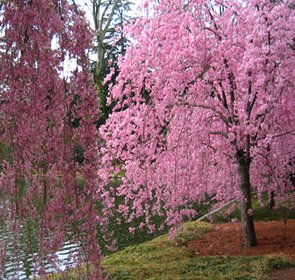
Best for showy spring color in medium to large landscapes, the Higan Japanese Pink Weeping Cherry produces cascading branches laden with pink blossoms. It is shipped as a dormant bare root or small plant and excels in zones 4–8 with full to part sun. This selection is ideal for buyers who want a striking centerpiece that becomes a seasonal highlight each spring. Selection notes: transplant in the ground (not into another container) when dormant; California orders may ship bare root per regulations. Caution: as a deciduous tree, it will be leafless in winter.
Shidare Yoshino Japanese Weeping Cherry Tree

Best for a romantic, white-flowered spectacle, the Shidare Yoshino is well suited for small yards and containers until established in the ground. It ships 1–2 feet tall and is specified for zones 4–8 with full to part sun. It is best for gardeners who want a dramatic weeping form that fills out over time. Caution: trees arrive leafless in dormancy; ensure proper bare-root handling if required by local regulations.
Weeping Cherry Tree (6-12″ Live Plant)

Best for budget-conscious buyers seeking a live weeping cherry with immediate impact, this 6–12″ tall plant arrives in a 3″ pot and showcases cascading branches with spring blossoms. It is versatile for patios, small yards, or as a focal point along paths. Caution: performance may vary with local climate; evaluate winter protection in colder zones. Selection aligns with a desire for a compact, decorative tree that’s easy to establish in a sunny spot.
Cherry Blossom Tree Live Plant, 8-12″ Tall

Best for buffed lawns or patio borders, this 8–12″ live plant emphasizes ornamental flowering with early spring blossoms. It ships in a small pot and is well-rooted, making it suitable for immediate planting outdoors in sun to part shade. Ideal for buyers who want a ready-to-grow centerpiece that offers seasonal color and elegant structure. Caution: ensure proper root development after transplant to maximize bloom in subsequent seasons.
Weeping Cherry Blossom Tree, 6-12″ Live Plant

Best for ultra-compact spaces or as a starter specimen, this 6–12″ live plant comes in a 2.5″ pot and features a dwarf weeping form with spring blossoms. It is suited for small patios, balconies, or shelves with outdoor access. Great for gift gardeners who want a fast-growing focal point. Limitation: the small root system may require careful watering and gradual acclimation to outdoor conditions in colder zones.
Buying Guide: Twisted Weeping Cherry Tree Essentials
- Site selection: Most weeping cherry trees prefer full sun to part sun and well-drained soil. Consider a location with morning sun and afternoon shade in hotter climates to reduce leaf scorch.
- Size and form: Weeping or twisted cultivars offer cascading branches; dwarf forms work well for containers and tight spaces. Measure available space before choosing a size class.
- Transplant timing: Dormant planting is often recommended for bare-root stock. If transplanting in spring or summer, provide steady moisture and protection from heat stress.
- Soil preparation: Enrich soil with organic matter and ensure a slightly acidic to neutral pH. Good drainage prevents root rot and improves establishment.
- Watering regime: Newly planted trees require regular, deep watering until roots establish. Once established, adjust to seasonal rainfall and avoid overwatering.
- Sun exposure: Full sun promotes robust flowering; shade can reduce bloom density and branch vigor.
- Maintenance: Pruning after blooming helps maintain shape and health. Remove crossing or dead branches to improve airflow and reduce disease risk.
- Environmental considerations: Some cultivars are deciduous and will lose leaves in winter. Protect delicate blossoms from late frost in spring where applicable.
- Hardiness zones: Check each cultivar’s zone compatibility (commonly 4–8) to ensure winter survival and spring bloom potential in your area.
Frequently Asked Questions
- What is the difference between a twisted and a standard weeping cherry?
Answer: Twisted or weeping forms emphasize cascading branches and a pendulous growth habit, creating a dramatic silhouette compared to upright varieties. - Are these trees suitable for containers?
Answer: Some smaller or dwarf weeping cherry selections are suitable for large containers, especially while young. Ensure a deep, well-draining pot and consistent moisture. - When do these trees bloom?
Answer: Most weeping cherry blossoms appear in spring, with peak color varying by cultivar and climate. Some selections may show pink or white blooms. - How hard is it to transplant a bare-root cherry tree?
Answer: Bare-root transplants are best done when trees are dormant, with careful handling of roots and immediate planting in prepared soil for quick establishment. - What are common issues to watch for?
Answer: Watch for root stress from overwatering, crown rot in poorly drained soil, and pest pressure like aphids or aphids-related honeydew in spring. - Do these trees require special winter protection?
Answer: In extreme cold zones, protect young trees with mulch or wrap; mature trees generally tolerate winter conditions better, but early frost can affect blossoms.