For gardeners seeking classic David Austin charm in the United States, these top picks deliver true-to-variety blooms, strong root systems, and reliable performance across zones 4 through 11. This guide helps you choose roses that are best for outdoor planting, with a focus on own-root David Austin varieties for robust, long-lived flowering. The table below highlights five standout options and what makes them ideal for different buyers.
| Product | Best For | Hardiness Zone Range |
|---|---|---|
| Lady of Shalott Orange Rose Bush | Color-forward beds, mixed borders | 4–11 |
| Queen of Sweden® Pink Rose Bush | Light-pink accents, cottage gardens | 5–10 |
| Tranquillity® White Rose Bush | Elegant white blooms, formal gardens | 5–11 |
| Golden Celebration® Yellow Rose Bush | Bright border focal point, sunny yellows | 5–10 |
| The Pilgrim® Yellow Rose Bush | Classic yellow shrub for borders | 5–10 |
Introduction to the buyer intent: If you want reliable, true-to-type David Austin roses that can handle a broad range of American climates, the following selections emphasize own-root plants, 1-gallon shipping, and proven hardiness. If you prioritize color variety, bloom density, or a smoother propagation path, these options offer clear advantages. The table above helps you compare key factors at a glance.
Lady of Shalott Orange Rose Bush

Product features indicate the plant is own root, which can lead to more blooms and better hardiness over time, and is delivered in a one-gallon container with rich soil. Hardiness zones cover 4–11, making it suitable for a wide American climate.
Best for: Gardeners wanting a vibrant orange rose with strong repeat flowering in mixed borders or as a focal point.
Why selected: This variety is a classic David Austin type adapted for outdoor planting in many U.S. regions and is known for reliable bloom production when grown in rich soil.
Caution: In very cold zones near 4, ensure winter protection for roots or consider an above-ground wintering strategy if your climate experiences harsh freezes.
Queen of Sweden® Pink Rose Bush

Own root stock is highlighted, with 12–16 months old plants delivered in one-gallon containers with rich soil. Hardiness zones span 5–10, aligning well with many southern and coastal regions in the U.S.
Best for: Soft-poned pink tones in traditional beds or cottage-style gardens.
Why selected: The Queen of Sweden pink variety offers a refined color palette and reliable performance for outdoor plantings, complementing other David Austin roses.
Caution: Slightly narrower hardiness range means extra winter protection in cooler zones (5 and 6) if winters are severe.
Tranquillity® White Rose Bush

White varieties offer a classic, elegant presence in beds and borders. The plant is own root and delivered in a one-gallon pot with rich soil. Hardiness range extends from 5 to 11, supporting a broad geographic footprint in the U.S.
Best for: Formal gardens, white-dominated borders, and paired color schemes with deeper hues.
Why selected: Tranquillity provides a clean, timeless look that pairs well with other David Austin roses and annuals alike.
Caution: White roses can be more susceptible to certain pests in hot, humid environments; regular monitoring helps maintain bloom quality.
Golden Celebration® Yellow Rose Bush
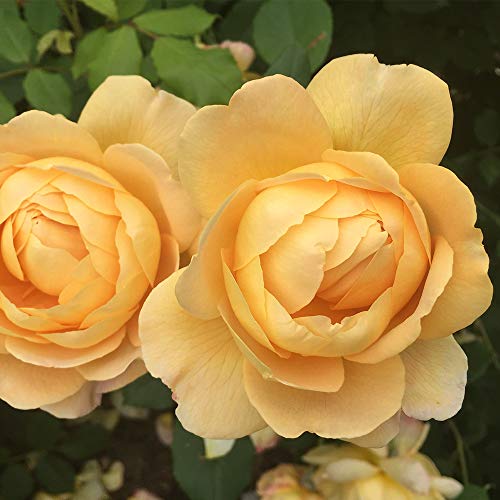
This yellow rose is described as own root and delivered in a one-gallon container, with a hardiness range of 5–10. The bright color makes it a strong anchor plant for sunny borders.
Best for: Bold color accents and sunny garden corners where warmth and cheer are desired.
Why selected: Golden Celebration stands out for its vibrant hue and classic David Austin bloom form, providing seasonal impact in outdoor spaces.
Caution: Some climates may show slower growth if soils are compacted; ensure good drainage and soil amendment during planting.
The Pilgrim® Yellow Rose Bush

Own root, one-gallon plant shipment, with a hardiness range of 5–10. This variety provides classic yellow blooms with David Austin’s characteristic form, suitable for borders and mixed plantings.
Best for: Traditional borders and landscape planting where a reliable yellow bloom is desired year after year.
Why selected: The Pilgrim is a durable, time-tested yellow option that maintains bloom through the growing season in many U.S. climates.
Caution: In extremely hot areas, afternoon shade can help protect blooms from sun scorch during peak heat cycles.
Buying Guide: David Austin Roses For American Gardens
Choosing the right David Austin rose involves understanding root type, climate, and garden goals. The five products above are all own root and delivered in one-gallon containers, which generally supports quicker establishment and stronger initial growth than grafted options.
Size, Bloom, and Habit
Consider whether you want a compact shrub for borders or a larger, statement plant. David Austin roses typically offer repeat flowering and rich fragrance, but bloom size and cluster density vary by variety. For dense borders, mix taller and smaller plants to reduce competition for sunlight.
Hardiness and Climate
Most listed varieties tolerate zones 5–11, with some extending to zone 4. If you live in a cooler area (zones 4–5), provide winter protection for crown and root zones. In hot climates, ensure irrigation during dry spells and consider afternoon shade for sensitive varieties.
Soil and Planting
Prepare well-draining, nutrient-rich soil with organic matter. Water deeply after planting and apply mulch to retain moisture. Own-root roses tend to establish roots faster, but consistent moisture supports early bloom production.
Maintenance and Care
Regular pruning after first frost, pest monitoring, and seasonal feeding with balanced fertilizer help maintain vigor. Avoid excessive nitrogen late in the season, which can delay hardening off for winter.
Color and Use
White, pink, orange, and yellow varieties provide a spectrum for borders, mixed beds, and focal points. Use complementary colors to build visual interest and to highlight plant form and fragrance.
Buying Choices: What to Consider
- Root status: Own-root plants tend to be more vigorous and true to variety over time.
- Container size: One-gallon plants ship easily and establish quickly, but larger sizes may offer quicker early bloom.
- Zone compatibility: Verify your hardiness zone and consider protection measures for cooler regions.
- Garden goals: Border color coordination, fragrance, or a bold focal plant will influence variety choice.
FAQ
- What is “own root” and why does it matter?
Own-root roses develop their own roots rather than grafted rootstock, which can lead to stronger growth, more blooms, and longer lifespan in the landscape.
- Can these roses grow in zone 4?
Some listed varieties tolerate zone 4, but extra winter protection may be required for colder winters, especially for plants near the lower hardiness limit.
- What is the advantage of a one-gallon container?
One-gallon plants are mature enough to establish quickly, showing earlier bloom after planting compared with smaller plugs.
- How should I care for these roses in hot climates?
Provide irrigation during heat waves, mulch to conserve moisture, and consider afternoon shade for varieties sensitive to heat buildup.
- Are these roses fragrance-rich?
David Austin roses are known for fragrance in many varieties; expect a pleasant scent typical to the chosen cultivar.