Looking to buy bare root trees by mail that ship dormant and establish quickly in your yard? This guide highlights five well-suited bare root options for American buyers, with clear buying reasons and practical planting tips. Each pick targets common needs: cold-hardiness, space planning, fruit production, or decorative focus. Whether you’re building a small backyard orchard or adding shade and wildlife value, these selections help you start strong in the next planting season.
Buyer focus summary:
- Best for cold climates: Persimmon
- Best for backyard fruit: McIntosh Apple
- Best for drought-tolerant landscapes: French Prune
- Best for shade and wildlife: River Birch
- Best for versatile ornament and fruit: Peach (bare root)
Quick reference table (selected products only):
| Product | Type | Size / Age | Best For | Notes |
|---|---|---|---|---|
| Persimmon Bare Root Trees | Fruit Tree | 2 live trees, 12–24 in | Cold-hardy, fast establishment | Dormant, may arrive leafless |
| Flat Wonderful Peach Bare Root | Fruit Tree | 1 tree, 2–4 ft | Backyard orchard | State restrictions apply for some areas |
| River Birch Bare Root Saplings | Shade/Screen Tree | 2 saplings, 1–2 ft | Shade, wildlife, landscape feature | Careful planting in wet soils recommended |
| Gurney’s McIntosh Apple Bare Root | Fruit Tree | 1 dormant tree | Home orchard, reliable variety | Spacing matters for best yield |
| French Prune Bare Root | Fruit Tree | 1 grafted plant, 20–30 in | Prunes, long-lived tree | Self-fertile, good for drying and baking |
Persimmon Bare Root Trees: Cold-Hardy & Rapid Establishment

Product overview: This selection includes two live American Persimmon trees, sized 12–24 inches, shipped dormant. The plants are chosen for strong root systems to encourage rapid establishment after planting. The persimmon is native to North America, noted for exceptional cold-hardiness and resilience, making it adaptable to a wide range of soils and climates. Best for buyers who want a hardy fruit tree that tolerates diverse conditions and wants quicker rooted vigor after transplanting.
Who this is best for: Homeowners in colder regions seeking a fruiting tree that can handle variable soil types and climates. Also suitable for gardeners who want a low-maintenance nut/fruit tree that can become a long-term focal point in the landscape.
Why chosen: The combination of dormancy shipping, strong root establishment, and cold-hardiness makes this option reliable for first-time bare-root tree buyers aiming for eventual fruit production without high maintenance.
Caution: Some orders may arrive as dormant without leaves depending on season; plan planting in a cool, shaded spot to avoid heat stress in transit. Ensure proper rooting depth and irrigation after planting to optimize establishment.
Flat Wonderful Peach Bare Root Tree
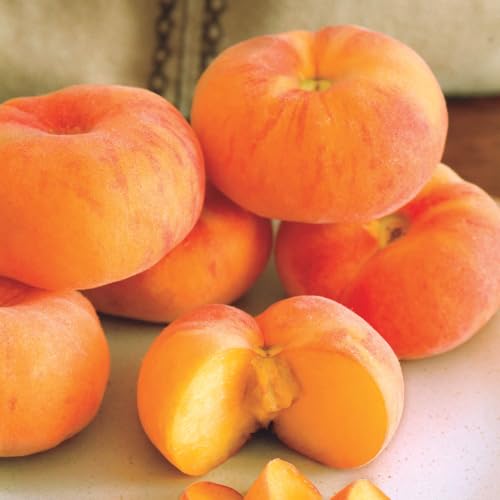
Product overview: This single-tree bare root peach is designed for backyard orchards, with an emphasis on easy spacing and a straightforward growing routine. The tree is delivered as a standard 2–4 ft specimen, intended for planting at space-appropriate distances to maximize air flow and fruit ripening. The product uses well-drained soil and organically enriched conditions to ensure vigor after planting.
Who this is best for: Gardeners planning a small home orchard who want a classic fruit tree that matures reliably. It is suitable for growers who can commit to summer pruning and fertilization routines to encourage fruit set.
Why chosen: The peach variety is a popular choice for home orchards due to its familiar fruit and relatively predictable performance when given full sun and well-drained soil. It complements other stone fruit or mixed fruit plantings well.
Caution: State regulations restrict shipping to certain states; verify regional compliance prior to purchase. Planting location should receive full sun and protection from late frost pockets in spring.
River Birch Bare Root Saplings

Product overview: This listing includes two young river birch saplings, each 1–2 feet tall and shipped bare-root with roots prepared for transplant. River birch is known for its attractive bark and fast growth, suited to create shade, windbreaks, or wildlife-friendly landscape features. It ships in a way that emphasizes root health and strong establishment potential after planting.
Who this is best for: Gardeners seeking a fast-growing, low-maintenance shade tree or wildlife-friendly feature in a home landscape. River birch tolerates a range of soils and moisture conditions, making it versatile in many regions.
Why chosen: The two-tree bundle provides immediate landscape impact and helps buyers establish a screen or garden accent quickly. Birch trees also contribute seasonal interest with their peeling bark and spring growth.
Caution: Birch species can be susceptible to certain pests and root diseases if planted in poorly drained sites. Ensure well-drained soil and proper spacing to reduce water-related stress.
Gurney’s McIntosh Apple Bare Root Starter Tree

Product overview: The McIntosh apple is shipped as a dormant bare root starter tree, intended for planting with adequate spacing. The guideline suggests spacing trees 6–10 feet apart, with growth favored by well-drained, moist organic soil. The variety is a classic choice for fresh eating and baking, with a long-standing reputation for flavor when properly cared for.
Who this is best for: Home orchard enthusiasts or households seeking classic apple flavor with reliable fall harvests. It suits growers who can provide regular watering, mulching, and annual pruning to keep trees productive.
Why chosen: The McIntosh is a storied, dependable apple variety for American gardens and small orchards, pairing well with other fruit trees and pollinator-friendly plantings. It offers a practical balance of care and fruit quality for first-time bare-root tree buyers.
Caution: Ensure you comply with state shipping restrictions, and plan for windbreak or trellising support if you expect heavy fruit load. Adequate irrigation during establishment is essential for root-to-soil contact.
French Prune Bare Root Tree

Product overview: One French Prune bare root tree, 20–30 inches tall, grafted and 1 year old, shipped with roots wrapped in wet media during dormancy. It is typically sent in summer in a soil-containing container and concentrates on long-lived pruning and edible fruit production. The prune is known for its sweet, rich flavor with tender flesh, suitable for fresh eating, baking, or drying into prunes.
Who this is best for: Home cooks and orchard hobbyists who want a reliable prune plum with culinary versatility. It fits gardeners who value self-fertility and long-term harvest potential in temperate climates.
Why chosen: The French prune combines a robust flavor profile with a practical, self-fertile breeding heritage and opportunities for drying, canning, and culinary uses. It complements a diversified home orchard and supports year-round fruit use.
Caution: Some regions restrict pruning and transport for specific varieties. Monitor summer watering needs and protect from late-season frosts that can impact fruit set in young trees.
Buying Guide: Bare Root Trees Delivered By Mail
What to consider before you order:
- Climate compatibility: Choose species known to thrive in your hardiness zone and typical seasonal patterns. Cold-hardiness, drought tolerance, and heat resilience matter for long-term success.
- Root health and dormant shipping: Bare root trees ship dormant to minimize stress. Look for strong, well-developed roots and minimal damage to crowns in transit.
- Site preparation: Ensure adequate sun, drainage, and space. Most fruit trees prefer full sun and well-drained soil; shade or compacted soil can limit growth and fruiting.
- Spacing and mature size: Plan spacing according to final tree height and width. Overcrowding reduces air flow and fruit quality, especially for apples and prunes.
- Pollination and compatibility: Some fruit trees need cross-pollination or specific pollinators. Verify whether a cultivar is self-fertile or requires a companion variety.
- Watering and establishment: Bare root trees require consistent moisture after planting to help roots establish. Mulching around the base helps retain soil moisture.
- Regional restrictions: Certain trees cannot be shipped to some states. Check local regulations before purchase to avoid order issues.
Planting Tips For Bare Root Trees
- Soak roots briefly before planting to rehydrate, then plant at the same depth they were grown in, with the graft union oriented just above soil level for fruit trees.
- Dig a wide, shallow planting hole to spread roots without crowding. Create a gentle mound of soil at the bottom to encourage root contact.
- Water deeply after planting and apply mulch, keeping it away from the trunk to prevent rot.
Frequently Asked Questions
- Are bare root trees easier to plant than potted trees? Yes, bare root trees can adapt quickly to soil and establish roots efficiently, provided they’re planted in appropriate conditions and properly watered.
- What is the best time to plant bare root trees? Late fall to early spring during dormancy is commonly recommended for most temperate-zone species, depending on local climate and frost dates.
- Do I need to prune bare root trees after planting? Yes, a light prune to remove damaged roots and to shape the tree can help establish a strong framework. Avoid heavy pruning in the first year.
- Can I ship bare root trees to my state? Some products have state restrictions. Always verify regional shipping rules prior to purchase.
- What soil conditions do fruit trees prefer? Most fruit trees prefer well-drained soils rich in organic matter and full sun exposure for best fruiting.
- How long until fruiting? It varies by species; many fruit trees may take several years to produce a meaningful harvest after establishment.