Answering buyers seeking reliable snow-in-summer ground covers, this guide highlights five sturdy options ideal for xeriscapes, rock gardens, and low-maintenance borders. Each selection is suited to full sun and well-drained soils, with notes on best uses and limitations to aid clear comparison.
| Product | Best For | Why It’s Selected |
|---|---|---|
| 3500 Snow in Summer Seeds – Great Ground Cover, Xeriscape | Dry, sun-baked beds | High seed quantity for dense mat formation; excellent xeriscape suitability. |
| Outsidepride Snow in Summer Seeds – 5000 Pcs | Large-area coverage | Very fast-spreading with drought tolerance; good for big spaces. |
| Earthcare Seeds Snow in Summer 1500 Seeds (Cerastium tomentosum) | Rock gardens and borders | Open-pollinated, drought-tolerant perennial with attractive white blooms. |
| 1000 Cerastium tomentosum Snow-in-Summer Seed | Low-maintenance ground cover | Compact cultivar option; easy to establish in rocky or sunny spots. |
| 500 Snow in Summer Flower Seeds (Chickweed Perennial) | Small, ornamental ground cover | Late-season blooms; compact carpet for delicate edges. |
Notes: All products focus on drought tolerance, sun exposure, and low maintenance. Choose by space size, bloom preference, and whether you want mass ground cover quickly or a slower, more established evergreen look. The following sections present each product with concise, decision-oriented details.
3500 Snow in Summer Seeds – Great Ground Cover

Features: Snow-in-Summer forms a mat-like ground cover. Best for xeriscapes and full-sun, well-drained beds. Once established, it tolerates dry conditions. Direct sow on bare soil. Pack size: 3500 seeds.
Who it’s best for: Gardeners needing dense, immediate ground cover in sun-burnished areas and low irrigation. Why: High seed count supports rapid carpet formation, limiting weed growth.
Limitations: Performance depends on soil drainage; poor drainage can hinder establishment. Not ideal for shaded zones.
Outsidepride Snow in Summer Seeds – 5000 Pcs

Features: White blooms emerge in late spring and summer; evergreen silvery-gray foliage remains year-round. Drought-tolerant and low-maintenance; forms a dense mat that’s ideal for xeriscaping and large areas. Fast-spreading; zone 3-10 adaptable.
Who it’s best for: landscapers covering large open spaces with minimal upkeep. Why: Quick carpet formation and broad hardiness reduce ongoing work. Limitation: Can spread aggressively in ideal conditions, needing containment.
Earthcare Seeds Snow in Summer 1500 Seeds

Features: Cerastium tomentosum, an heirloom open-pollinated option. Drought-tolerant, grows 3–8 inches high, ideal for rock gardens and borders. Attracts butterflies; self-seeds readily in zones 3–7. Evergreen with mass white flowers.
Who it’s best for: Gardeners desiring a traditional snow-in-summer look with butterfly appeal. Why: Open-pollinated genetics can offer reliable establishment. Limitation: Self-seeding can require periodic control in certain beds.
1000 Cerastium tomentosum Snow-in-Summer Seed

Features: Brand Cerastium Tomentosum; US-based origin; Snow in Summer model. MPN: Flower Seeds. Focused on reliable establishment for rock gardens and sunny borders.
Who it’s best for: Home gardeners seeking a straightforward Snow-in-Summer propagation option. Why: Simple seed-to-bed process with clear identity of cultivar. Limitation: Data on bloom size and exact mature height is limited in seed listings.
HOME GROWN Aubrieta Ground Cover Seed Pack

Features: Purple rock cress ground cover; Non-GMO perennial cress seeds. Award-winning quantity; dense mound-forming with deep color and fragrance. Suitable for outdoor lawn gardens.
Who it’s best for: Designers seeking a vibrant, color-rich ground cover to offset white snow-in-summer tones. Why: Provides contrast and winter interest. Limitation: Different species may require specific soil pH and drainage for optimal performance.
Outsidepride Irish Moss Ground Cover Seeds
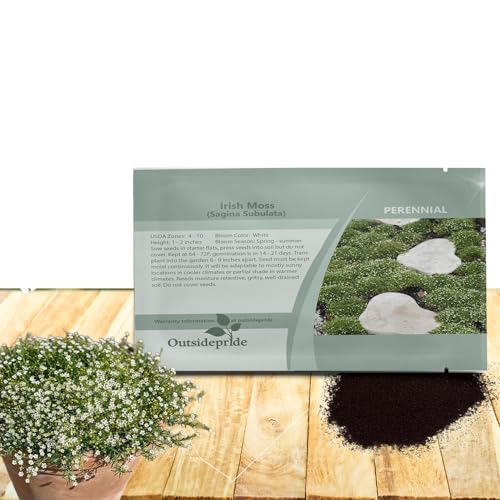
Features: Dense, mat-forming, shade-tolerant ground cover; ideal for pathways and rock gardens. Low-growing 1–2 inches tall; tolerates moisture and shade, offering lawn alternative viability. Suitable for a variety of climates.
Who it’s best for: Gardeners with shaded areas seeking a moss-like texture. Why: Shade tolerance expands where snow-in-summer alone may underperform. Limitation: May require moisture management in hotter, dry spots.
500 Snow in Summer Flower Seeds – Chickweed Perennial

Features: Silvery white star-shaped blooms; mounded habit resembles a snow-covered surface in peak bloom. Quantity: 500 seeds. Growing preference: well-draining soil; slightly acidic pH (6.0–7.0) recommended.
Who it’s best for: Those seeking a decorative companion plant to pair with Snow-in-Summer for contrast. Why: Flower color adds seasonal interest beyond evergreen foliage. Limitation: Flowering may be seasonal; growth depends on soil moisture and temperature.
Buying Guide: Snow-In-Summer Ground Covers
What to consider when choosing a snow-in-summer ground cover:
- Sun exposure: Most options thrive in full sun; some tolerate partial shade. Pick accordingly for your bed location.
- Soil drainage: Well-drained soil is essential. Poor drainage can stunt establishment and promote root disease.
- Spacing and growth rate: Larger seed packs accelerate carpet formation but require more space management.
- Maintenance level: Drought-tolerant varieties reduce irrigation but may spread aggressively; plan for containment if needed.
- Climate zone: Verify hardiness zones (typically low to moderate zones) to ensure year-round viability.
FAQ
- Q: Are snow-in-summer plants drought-tolerant? A: Yes, many varieties are drought-tolerant once established, making them suitable for xeriscapes.
- Q: Do these plants self-seed? A: Some varieties self-seed, which can be beneficial for naturalizing but may require control in certain beds.
- Q: What soil should I use? A: Well-drained soil with a neutral to slightly acidic pH (around 6.0–7.0) is commonly preferred.
- Q: Can these plants handle shade? A: Most perform best in full sun, though some tolerate partial shade; evaluate site conditions before planting.
- Q: How quickly will they spread? A: Growth rate varies; some seeds germinate and spread rapidly, while others establish more slowly in rock gardens.