If you need effective shade-tolerant ground cover, these options deliver dense, verdant mats without demanding much care. Ideal buyers include busy homeowners, homeowners with woodland gardens, or landscapers creating shady pathways or borders. Below, five top seed choices are analyzed for shade tolerance, growth habit, and best-use scenarios. A quick summary table follows to help compare at a glance.
| Product | Best For | Why It Stands Out | Notes |
|---|---|---|---|
| Purple Creeping Thyme Seed | Paths, borders, drought-tolerant plantings | Fragrant, dense mat; perennial ground cover that handles light foot traffic | Best for sunny to partial shade; may require some sunlight |
| Irish Moss Ground Cover Seeds | Shaded pathways, rock gardens | Soft, moss-like texture; shade-tolerant perennial | Low-growing; good for dark areas but needs moisture |
| Green Carpet Herniaria Glabra Seeds | Walkways, slopes, erosion control | Drought-tolerant, evergreen carpet; minimal maintenance | Best in zones 6-10; low mat with small flowers |
| Dichondra Repens Seeds (1 lb) | Lawn-like ground cover; shaded lawns | Dense green carpet; easy to establish | Can be mowed; watch for heat in hotter climates |
| Forget-Me-Not Seeds (KVITER) | Border color, shade-tolerant borders | Classic blue flowers; good for partial shade | Self-seeds; best in cool, moist shade |
Note: The table above highlights each product’s strongest use-case and a key caveat to help you choose confidently. All options are seeds designed to establish a living ground cover mechanism in shaded to partial shade environments.
Purple Creeping Thyme Seed — BuggyBeds
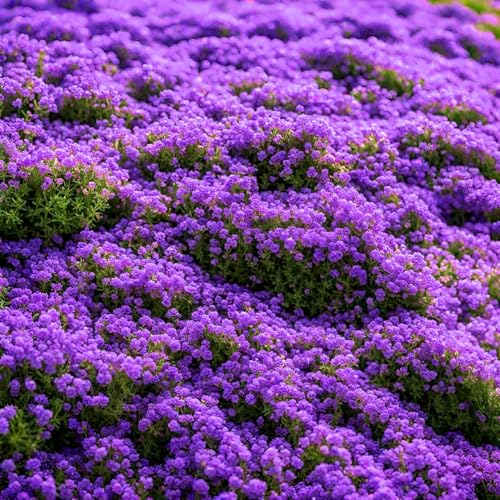
Features include a large seed count (20,000 seeds) for extensive coverage, perennial growth for year-after-year mat formation, and versatility in rock gardens, stepping stones, or as a lawn alternative. Best for gardeners seeking a fragrant, drought-tolerant ground cover with purple blooms. Caution: creeping thyme prefers sun but tolerates partial shade; in overly shade-heavy spaces, growth may be slower.
Irish Moss Ground Cover Seeds — Outsidepride
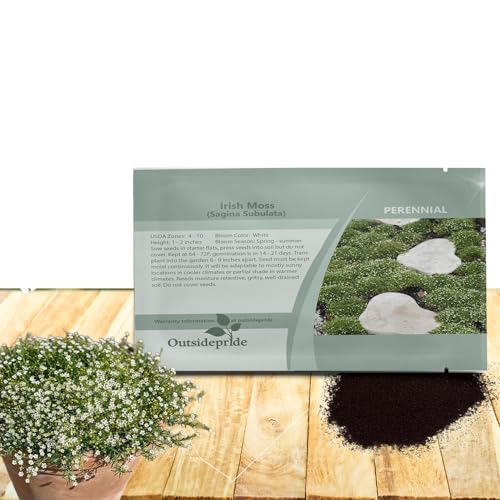
Best for shaded pathways and rock gardens where a moss-like texture enhances soft greenery. The dense, mat-forming growth provides year-round color in partial shade and tolerates moisture well. Caution: Irish Moss can be susceptible to drought stress if not consistently moist in full sun spots; suited for shade or partial shade.
Green Carpet Herniaria Glabra Seeds — Outsidepride

Best for low-growing ground cover in walkways and slopes due to its drought tolerance and evergreen carpet. Suitable for zones 6-10; resilience under light foot traffic makes it a solid choice for erosion control. Caution: establishment may take time; ensure soil remains consistently moist during germination.
Dichondra Repens Seeds — Outsidepride (1 lb)

Best for lawn alternatives in sun to shade; forms a dense carpet that can be mowed to 1.5–2 inches in summer or kept shorter in winter. Caution: thrives best in warmer climates (zones 8-11); may brown under prolonged freezing temperatures.
Forget Me Not Seeds — KVITER

Best for borders and containers in partial shade, Forget-Me-Nots offer classic blue blooms that brighten damp, shady spots. These seeds germinate in 10–21 days and require consistent moisture. Caution: may self-seed aggressively in favorable conditions; plant where reseeding is manageable.
Buying Guide — Key Considerations For Shade Ground Covers
- Shade intensity and seasonal sun: Match plant tolerance to the bed’s light pattern to ensure reliable establishment.
- Moisture and drainage: Some options tolerate drought once established; others require steady moisture in shade.
- Growth habit and height: Choose creeping or mat-forming types to minimize trimming and maximize weed suppression.
- Soil type and pH: Some species prefer well-drained sandy soils, while others tolerate heavier soils.
- Traffic tolerance: If used on pathways, select varieties that withstand foot traffic without damage.
- Color and bloom: Consider seasons of interest (foliage color, flowers) to maintain year-round appeal.
- Maintenance level: From low-maintenance perennial carpets to self-seeding flowering borders, pick a level that aligns with your routine.
Shade Garden Scenarios — Quick Comparisons
- Low-traffic, decorative shade beds: Irish Moss or Forget-Me-Not provide texture and color without heavy upkeep.
- Pathways and borders: Green Carpet Herniaria Glabra and Purple Creeping Thyme deliver dense mats and fragrance where applicable.
- Partial sun lawn alternatives: Dichondra Repens offers a lawn-like feel with minimal mowing.
Care Tips To Improve Establishment
- Soak seeds after sowing and keep soil consistently moist during germination (10–21 days for many species).
- Mulch lightly to conserve moisture but avoid burying seeds; follow seed-specific depth guidelines.
- Phase the garden: start with a dense sowing in high-priority areas, then fill gaps as plants establish.
FAQ
- What is the best shade-tolerant ground cover for pathways? – Green Carpet Herniaria Glabra and Irish Moss are strong candidates for shade pathways due to their dense, low growth and tolerance of partial sun.
- Which ground cover tolerates drought the best? – Green Carpet Herniaria Glabra is notably drought-tolerant once established; creeping thyme also has drought resilience on sunnier edges.
- Can these seeds replace a traditional lawn? – Yes, several options are suitable as lawn substitutes, including Dichondra Repens and Irish Moss, depending on sun and climate.
- Do these seeds spread by self-seeding? – Some varieties, like Forget-Me-Not, can reseed; verify with the seed lot’s description and climate compatibility.
- Are there any safety considerations for pollinators? – Many ground covers are pollinator-friendly, but some like Herniaria Glabra produce tiny flowers with limited attractiveness to bees.
- How long before I see a full ground cover mat? – Establishment times vary by species, soil, and moisture; expect several weeks to a few months for dense coverage.