Answering the need for a phosphorus-free, fast-green lawn treatment, this guide highlights 50‑lb options closest to 24-0-11, focusing on nitrogen-rich blends with minimal or no phosphorous. These products suit homeowners who want strong green color and steady growth without adding phosphates. Ideal buyers include: those seeking turf color boost in hot weather, professionals maintaining large lawns, and gardeners prioritizing phosphorus-free formulations for eco-friendly landscapes. The following table compares key options at a glance.
| Product | Brand | N-P-K (Approx.) | Best For | Notes |
|---|---|---|---|---|
| The Andersons Deep Green Lawn Fertilizer | The Andersons | 24-0-11 (2% Fe) | Lawn color, heat stress resilience | Contains iron; slow and quick-release nitrogen |
| SeedRanch St. Augustine Lawn 24-2-11 | Lesco | 24-2-11 | St. Augustine lawns | Includes phosphorus; good green-up for warm-season grass |
| CountryMax Urea Fertilizer 46-0-0 | CountryMax | 46-0-0 | Fast green-up, general use | Very high nitrogen; no phosphorous |
| Sulfate of Potash 0-0-50 | Dibbs Farms | 0-0-50 | Potassium boost for resistance | Salt-based; not nitrogen-heavy |
| 11-52-0 MAP Fertilizer | Cz Garden Supply | 11-52-0 | Bloom and vigor for flowers | Contains phosphorus; not ideal for phosphorus-free needs |
The Andersons Deep Green 24-0-11 Professional-Grade Lawn Fertilizer

Designed to elevate turf color while limiting yellowing and stress, especially in hot months, this product contains 2% iron and manganese to intensify green by supporting chlorophyll production. It uses both quick- and slow-release nitrogen for uniform growth and extended feeding up to eight weeks. Best for homeowners seeking a phosphorus-free option with strong color retention and longer feed cycles. Caution: iron content may cause temporary staining on certain surfaces or turf when applied in excess.
SeedRanch St. Augustine Lawn 24-2-11 Fertilizer
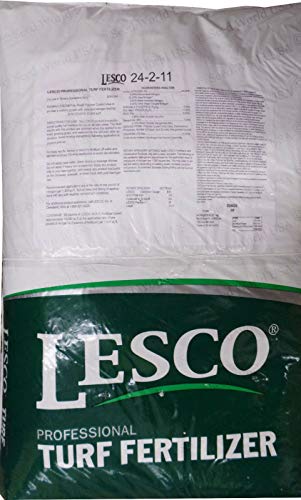
Best for St. Augustine lawns seeking a robust green-up with added phosphorus for strong root development, this 24-2-11 blend provides phosphorus along with nitrogen and potassium. It’s a solid choice where soil testing indicates phosphorus needs or when lush flowering and growth are a priority. For phosphorus-sensitive landscapes, this is less ideal since it includes phosphorus. Best for established St. Augustine lawns needing balanced nutrition and color.
CountryMax Urea Fertilizer 46-0-0

Best for rapid green-up with a high nitrogen content, 46-0-0 is ideal where quick lawn recovery and lush foliage are the primary goals. Choose this if soil tests show low nitrogen and there is no phosphorus need. Limitations include lack of phosphorus and potential risk of burn with improper application on young or stressed turf. Suitable for large lawns and professionals who want a fast effect without phosphorus.
Sulfate of Potash 0-0-50 Granular Fertilizer

Best for boosting potassium to improve disease resistance and stress tolerance in a phosphorus-free context. This product is not nitrogen-focused, making it more suitable as a supplement to a primarily nitrogen-rich program. Use when soil tests indicate potassium needs or to harden plants against drought and disease. Caution: always follow label rates to prevent overapplication and salt injury.
11-52-0 MAP Fertilizer
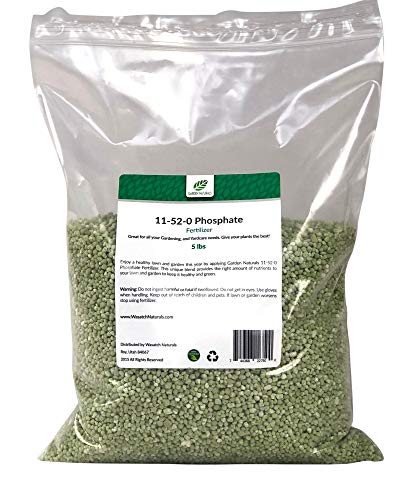
Best for flowering and vegetable plants that benefit from a phosphorus source, MAP (monoammonium phosphate) provides phosphorus and some nitrogen. It’s ideal for gardens and flowering beds where blooms and root development are priorities. However, it’s not phosphorus-free, so avoid if the goal is no phosphorous at all. Use this when soil tests indicate phosphorus needs to support blooms and root growth.
Buying Guide
What should I look for in a 24-0-11-style fertilizer without phosphorus?
Key factors include nitrogen source (quick vs. slow release), color and iron chelation for turf luster, iron and micronutrients, coverage area, and compatibility with hot-weather applications. A 24-0-11 blend with iron can deliver rapid greening and sustained feed, but verify that the product truly has zero added phosphate if that is essential for your landscape.
How does phosphorus impact lawn health?
Phosphorus supports root development and blooming in plants. For many lawns, a phosphorus-free program reduces environmental runoff risk and complies with local regulations or soil conditions where phosphorus is restricted or unnecessary. If soil tests reveal phosphorus needs, consider higher-N or balanced blends with low phosphorus or use phosphorus solely in beds that require it.
What about nitrogen forms and feeding duration?
Nitrogen can be quick-release for instant greening or slow-release for extended feeding. For large lawns, slow-release nitrogen minimizes mowing disruption and reduces burn risk. If using a high-nitrogen product, follow label directions to avoid excessive growth or stressing the root zone during heat waves.
Which product is best for hot climates?
Products with iron chelates or iron and manganese (like The Andersons Deep Green) help prevent yellowing under heat stress and drought conditions. Quick-acting and balanced fertilizers that promote color without excessive growth are typically preferable in hot climates.
What about application rates and safety?
Always adhere to the label’s rate instructions based on lawn size and soil conditions. Water after application if required, and avoid applying fertilizer to rain-softened or frozen ground. Use protective gear as recommended and store products securely away from children and pets.
How should I plan a phosphorus-free lawn plan?
Start with a soil test to confirm current nutrients. Choose at least one nitrogen-forward product with minimal or no phosphorus for regular feeding, and reserve phosphorus-containing products for beds or plants that specifically require it. Consider potassium boosters if disease resistance or drought tolerance is a concern.
How can I compare these options quickly?
- Best for color and heat resilience: The Andersons Deep Green 24-0-11.
- Best for St. Augustine lawns requiring phosphorus: SeedRanch 24-2-11.
- Best for rapid green-up with no phosphorus: CountryMax Urea 46-0-0.
- Best supplementary potassium boost: Sulfate of Potash 0-0-50.
- Best for blooms where phosphorus is needed: 11-52-0 MAP Fertilizer.
Frequently asked questions
- Q: Can I use a 24-0-11 fertilizer on all lawn types? A: It depends on grass type and soil. Some grasses benefit from a 24-0-11 blend, while others may require phosphorus or a different nutrient balance. Always consider your lawn’s species and soil test results.
- Q: Is iron in fertilizer safe for pets and children? A: Iron is generally safe when used as directed, but avoid oversaturation and keep pets and children off treated areas until the product has been absorbed or the lawn has dried.
- Q: How often should I fertilize a phosphorus-free lawn? A: Frequency varies by product and climate, but many nitrogen-forward blends are applied every 6–8 weeks during the active growing season, with adjustments for weather conditions.
- Q: What is the advantage of slow-release nitrogen? A: Slow-release nitrogen provides a steadier supply of nitrogen over time, reducing peak growth, lowering burn risk, and extending the feeding period.
- Q: When should phosphorus be avoided? A: If local regulations restrict phosphorus or your soil test shows no need for phosphorus, avoid MAP- or phosphorous-containing products.
- Q: How do I choose between 24-0-11 and 46-0-0 fertilizers? A: Use 24-0-11 for balanced growth with color and longer feeding; choose 46-0-0 when rapid green-up is the priority and phosphorus is not required.