If you’re selecting horticultural grit or sharp sand, the right option improves drainage, prevents soil compaction, and enhances the look of pots and terrariums. This guide highlights top sands that suit succulents, cacti, aquariums, and decorative planters, with recommendations for different buyer needs. Ideal for gardeners, hobbyists, and DIY decorators, these selections balance aeration, moisture, and visual appeal. The table below summarizes five standout products to help you compare quickly.
Product Overview Summary
- Product 1: NUPICK 1-2mm Coarse Sand for Plants, 6lb — Best for larger, decorative planters and aquariums needing stable drainage.
- Product 2: NUPICK 1-2mm Coarse Sand for Plants, 3lb — Great for small containers and terrariums requiring consistent grain size.
- Product 3: NUPICK 1-3mm Coarse Sand for Plants, 10lb — Strong balance of drainage and moisture retention; versatile for pots and aquariums.
- Product 4: BIOMAND 8LB Horticultural Sand — Best for users seeking a multipurpose base with durable, natural silica.
- Product 5: NUPICK 3-5mm Coarse Sand for Plants, 3lb — Ideal for larger decorative displays and vase fillers needing more visible texture.
NUPICK 1-2mm Coarse Sand for Plants, 6lb
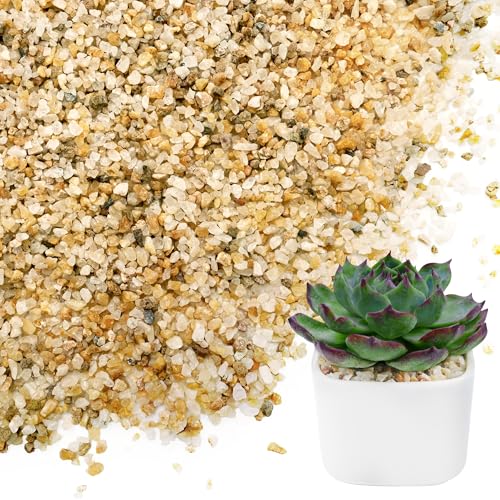
Best for: Succulent and cactus planters that require reliable drainage and a durable decorative layer. This sand is natural and reusable, sourced as 1-2mm river sand with no dyes. It washes clean and resists fading over time, making it suitable for long-term potting and crafts.
Why selected: Its 1-2mm grain size provides a stable substrate that enhances aeration without compounding moisture, when used in a 1:3 soil mix. It stabilizes newly potted plants and reduces soil compaction, supporting root health in dry-climate plants.
Limitations: The price is higher per pound than some bulk sands, and it’s better used in well-draining mixes rather than heavy clay soils.
NUPICK 1-2mm Coarse Sand for Plants, 3lb
Best for: Small plant pots and terrariums where a consistent fine-grain sand helps maintain moisture balance and prevents soil compaction in compact spaces.
Why selected: The same natural 1-2mm grain size supports good drainage in compact containers, with the added benefit of being easy to rinse and reuse. It stabilizes potting mixes and reduces root rot risk in succulents and cacti.
Caution: In larger outdoor beds, you may need larger-grain sands to manage drainage across more volume.
NUPICK 1-3mm Coarse Sand for Plants, 10lb

Best for: A versatile base in larger pots and aquariums where both drainage and moisture retention are needed. The 1-3mm range supports a stable substrate across different plant types.
Why selected: This sand also doubles effectively as an aquarium substrate, helping to settle waste without clouding water when rinsed. It supports both succulents and fish-keeping needs, simplifying mixed-use setups.
Limitations: Coarser grains may not suit very delicate terrarium plants that require ultra-fine top layers.
BIOMAND 8LB Horticultural Sand

Best for: Garden decor, terrariums, and aquariums where a durable, neutral base is needed. The sand is natural silica and works well as a potting base or top-dressing.
Why selected: It offers a multipurpose base that preserves appearance, resists fading, and improves drainage when used correctly in soil mixes. The inert composition helps keep freshwater tank water clearer when used as a substrate.
Caution: Some setups may require rinsing before use to remove fine particles that could cloud water if used in aquariums without prior cleaning.
NUPICK 3-5mm Coarse Sand for Plants, 3lb

Best for: Larger decorative displays, vase fillers, and planters where a more pronounced grain texture is desired. The 3-5mm range creates visible contrast in mixed plant designs.
Why selected: The larger grain size provides a decorative finish while still supporting drainage when used as a base or top dressing. It pairs well with modern and rustic planter aesthetics.
Limitation: For very delicate root systems, consider mixing in finer sand to prevent soil from drying too quickly.
Buying Guide
What should you consider when choosing horticultural grit or sharp sand?
- Grain size: Smaller grains (1-2mm) drain well yet retain some moisture; medium (1-3mm) balances both; larger grains (3-5mm) emphasize texture and decor but may drain faster.
- Intended use: Aquariums need inert, non-clouding sand; potting mixes benefit from drainage-enhancing sands; terrariums often prefer finer textures to prevent surface compaction; decorative displays favor larger grains for visibility.
- Material quality: Look for natural silica sands with no dyes or artificial additives to avoid staining or chemical leaching into soil or water.
- Reusable options: Some sands rinse clean and can be reused across projects, reducing waste and cost over time.
- Maintenance needs: Rinsing prior to first use reduces cloudiness in aquariums and clears dust in terrariums.
What’s the best choice for different setups?
- Succulents and cacti in small to medium pots: 1-2mm to 1-3mm grains provide excellent drainage with manageable moisture retention.
- Large planters and mixed decorative displays: 3-5mm grains add visual interest while still aiding drainage.
- Aquariums and terrariums: Use inert, non-dusting silica sands; rinsed thoroughly before introduction.
How should you mix sand with potting soil?
- Common ratio: 1 part sand to 3 parts potting soil helps aeration and drainage while preserving root moisture around plants.
- Consistency matters: Avoid overly fine sands in heavy soils, which can compact and hinder root growth.
- Top-dressing vs. substrate: Sand can serve as a top-dressing for moisture retention and soil stabilization or as a base layer to improve drainage.
How to care for sands in different environments?
- Indoor planters: Regularly check moisture; sands with finer grains may dry out faster and require more frequent watering audits.
- Terrariums: Use finer grains to minimize accumulation at the surface and prevent root rot from excess moisture.
- Outdoor landscaping: For drought-tolerant plants, slightly coarser sands can improve drainage in sandy soils.
Quick comparison at a glance
| Product | Grain Size | Best For | Notes |
|---|---|---|---|
| NUPICK 6lb 1-2mm | 1-2mm | Small pots, succulents | High drainage, decorative |
| NUPICK 3lb 1-2mm | 1-2mm | Terrariums, small displays | Consistent grain, easy to rinse |
| NUPICK 10lb 1-3mm | 1-3mm | Pots and aquariums | Multi-use substrate |
| BIOMAND 8lb | 1-2mm to 3mm range implied | Multipurpose base, decor | Durable natural silica |
| NUPICK 3lb 3-5mm | 3-5mm | Decorative fillers | Visible texture |
FAQ
- Q: Is sand safe for all types of plants? A: Sand is generally safe for succulents, cacti, and many ornamentals when used in proper ratios; avoid sand-heavy mixes for plants that require high moisture retention.
- Q: Should I rinse sand before using it? A: Yes, especially for aquariums or terrariums, to minimize cloudiness and dust.
- Q: Can sand replace soil entirely? A: For many plants, sand is not a complete soil replacement; use it as a component to improve drainage and aeration.
- Q: Which grain size lasts longest in planters? A: Coarser grains (3-5mm) tend to maintain structure longer and are more visible in decorative displays, though they drain faster.
- Q: Can I reuse used sand? A: Reuse is possible if it’s been properly cleaned and has not introduced contaminants to the container or tank.
- Q: Is colored sand better for display? A: Natural, uncolored sand preserves soil color and plant health better; colored sands may fade and sometimes stain.