Maintaining a healthy centipede lawn involves proactive fungus control and disease prevention. The right fungicide can help prevent brown patch, dollar spot, rust, and other common turf diseases that threaten centipede grass. Below are five proven products frequently recommended for home lawns, with key features to help you compare options quickly. Always follow label directions for your specific grass type and local climate conditions.
| Product | Brand | Coverage (approx.) | Key Benefit |
|---|---|---|---|
| Scotts DiseaseEx Lawn Fungicide | Scotts | Up to 5,000 sq ft | Fast-acting disease control; broad listing of lawn diseases |
| BioAdvanced Fungus Control for Lawns | BioAdvanced | Varies by bottle (32 oz provides broad coverage) | Rainproof protection; systemic uptake |
| Earth’s Ally Fungicide for Lawns | Earth’s Ally | Up to 5,000 sq ft | Natural, citric-acid based; pet and bee safe |
| Jonathan Green Lawn Fungus Control | Jonathan Green | Up to 15,000 sq ft | Broad spectrum control of soil-borne diseases |
| Atticus Gunner 14.3 MEC Fungicide (32 oz) | Atticus | Typical dilution covers large areas | Microemulsion concentrate for easy mixing; weather-resistant |
Note: Coverage figures vary by application rate and lawn size. Always consult the product label for precise coverage and application instructions suitable for centipede grass in your region.
Scotts DiseaseEx Lawn Fungicide
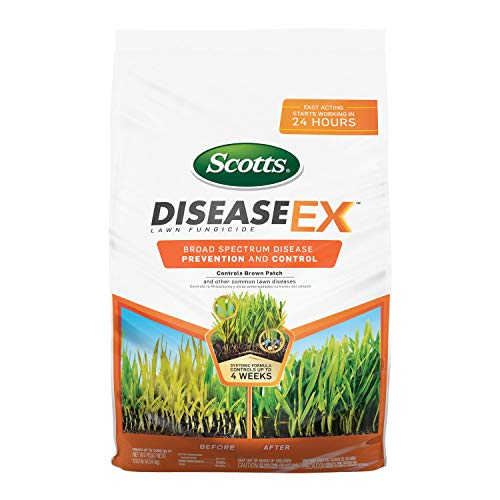
Brand: Scotts
Features: Use Scotts DiseaseEx Lawn Fungicide on home lawns to prevent disease before it appears and control disease at the first sign of symptoms. It controls 26 listed lawn diseases, including brown patch, stem & stripe rust, red thread, powdery mildew, necrotic ring spot, and pink patch. This fungicide for lawns starts working within 24 hours of application and continues to control diseases for up to 4 weeks.
BioAdvanced Fungus Control for Lawns

Brand: BioAdvanced
Features: LAWN FUNGICIDE that cures and prevents listed lawn diseases. It controls Red Thread, Brown Patch, Dollar Spot, Rust, and other diseases. The rainproof protection aspect means systemic uptake is absorbed by grass and will not wash off, providing durable protection after application.
Earth’s Ally Fungicide for Lawns

Brand: Earth’s Ally
Features: Lawn fungicide that prevents and controls brown patch, dollar spot, summer patch, and rust. The ready-to-spray bottle connects to garden hoses and treats up to 5,000 sq. ft. The formula is no harsh chemicals, formulated from food-grade citric acid, emphasizing a safer approach to lawn care.
Jonathan Green Lawn Fungus Control
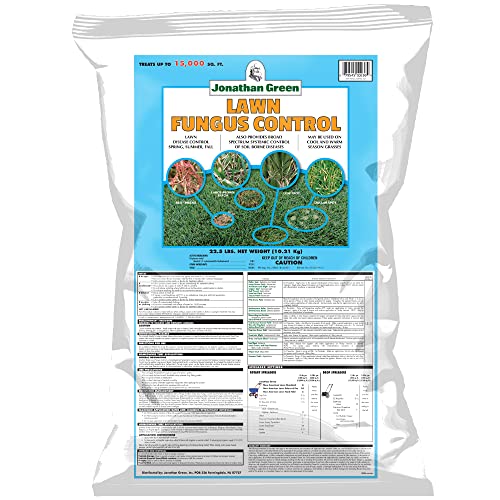
Brand: Jonathan Green
Features: Controls over 20 soil-borne diseases with a broad-spectrum granular formulation. It prevents and treats fungus and can be used on cool and warm-season grasses. It is designed to be applied while seeding a new lawn and should be used when the yard is dry. This product helps prevent recurrence by suppressing existing and potential infections.
Atticus Gunner 14.3 MEC Fungicide (32 OZ)

Brand: Atticus
Features: Proven broad-spectrum fungus prevention with 14.3% propiconazole. The MEC formulation enables easy mixing and tank-mix compatibility with many other fungicides. It provides predictable control/even when weather is challenging; after drying, the spray is resistant to washing away by rain or irrigation. For soil-borne fungi, it’s recommended to water in after application.
Buying Guide for Centipede Grass Fungicide
When selecting a fungicide for centipede grass, consider disease pressure in your area, turf management goals, and application practicality. The following points summarize factors to evaluate before purchase:
- Target diseases – Identify the diseases most common in your region, such as brown patch, dollar spot, rust, leaf spot, and red thread. Choose a product that lists these diseases on the label or has broad-spectrum activity suitable for centipede lawns.
- Mode of action – Fungicides can be contact or systemic. Systemic formulations are absorbed by the plant and offer longer protection, while contact products act on the surface. Depending on irrigation and rainfall patterns, you may prefer a systemic option for rain-prone areas.
- Coverage and dilution – Check the recommended coverage per treatment and whether the product is ready-to-use or requires mixing. Larger lawns benefit from concentrates with proven coverage, while smaller yards may favor ready-to-use products for convenience.
- Safety and compatibility – For homes with pets, children, or pollinators nearby, review safe-use guidelines. Some products emphasize “bee safe” or “pet safe” formulations, though always follow label directions and local regulations.
- Environmental considerations – Natural or plant-based ingredients may align with organic gardening preferences. If seeking organic options, confirm label claims and any certifications.
- Reentry interval and irrigation – Note how soon you can re-enter treated areas and whether watering is required or prohibited after application to ensure effectiveness.
- Seasonality – Some products are best applied during specific seasons when centipede grass is actively growing. Consider your climatic zone and lawn maintenance schedule.
- Label compliance – Always read and follow the product label, including application rates, pests targeted, and safety precautions. The right product will align with your lawn’s size and disease risk profile.
Choosing the best fungicide involves balancing efficacy, convenience, and safety for your centipede lawn. The products listed above represent commonly used options with varying strengths, so you can compare ingredients, coverage, and application requirements to fit your specific lawn care plan.