Answer: If you’re seeking a classic white daisy that’s easy to grow, low-maintenance, and great for borders, containers, or cut flowers, these Leucanthemum Shasta Daisies are strong picks. The following five selections suit beginner and experienced gardeners alike, with clear differences in size, bloom habit, and placement needs. This guide highlights who each variety is best for, why it works, and any limits to consider.
Summary table of selected products:
| Product | Best For | Size / Growth | Notes |
|---|---|---|---|
| Snowcap Shasta Daisy (Votaniki) | Borders, containers, cut flowers | 12-18 inches tall | Compact, low-maintenance, full look |
| Daisy May (Proven Winners) | Mid-border, mass plantings | 12-24 inches tall | Well-rooted, ready to plant |
| Becky (Shasta Daisy, Live Plant) | Foundation plantings, containers | 2-3 inch flowers, height varies | Prolific summer bloom, easy care |
| Shasta Daisy (Clovers Garden) | Pollinator garden, mixed borders | 4-8 inch tall starts | Two live plants, robust roots |
| Shasta Daisy Bulbs (Votaniki) | Dramatic mass displays, borders | 12-24 inches tall | Easy care, versatile use |
Snowcap Shasta Daisy by Votaniki
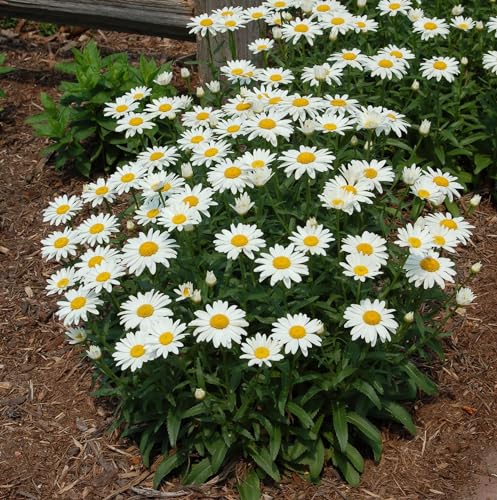
Best for compact spaces and easy upkeep, Snowcap Shasta Daisy grows to a modest height of 12-18 inches with a bushy, well-branched form. It thrives in full sun and well-drained soil, making it an ideal border plant, container specimen, or cut flower source. Regular deadheading sustains bloom, and occasional division every 2-3 years maintains vigor. This variety is best for gardeners who want a tidy, white-flowered border without tall stems that overwhelm smaller plants.
Who it’s best for: new gardeners with limited space, container gardeners, and anyone wanting a neat, continuous display of white daisies. Caution: avoid overly rich, constantly wet soil which can encourage root rot and floppy growth.
Daisy May (Proven Winners) Shasta Daisy

This Proven Winners selection is tuned for best performance in USDA zones 5-8 with a mature size of 12-24 inches tall and 15-18 inches wide. The plant ships in a #1 size container, fully rooted and ready to plant upon arrival, weather permitting. Daisy May suits mass planting or edging, offering reliable, long-lasting white blooms. It’s a solid choice for gardeners seeking immediate impact from a reliably rooted plant rather than seed-grown stock.
Who it’s best for: homeowners seeking quick establishment and reliable performance in mixed borders or containers. Caution: check your local zone compatibility to ensure it aligns with the 5-8 range for best results.
Becky Shasta Daisy (Live Plant, Green Promise Farms)

Becky is a hardy Shasta Daisy with single 2-3 inch white flowers through summer when deadheaded. It features lustrous deep green foliage and is generally hardy in well-drained soils with full sun. It’s ideal for foundation plantings, mass displays, containers, or rock gardens. This plant is best for gardeners who want a classic, long-lasting white flowering presence with straightforward care. Caution: ensure proper drainage; wet, poorly drained soil can affect vigor and flowering.
Shasta Daisy Bulbs by Votaniki

These bulbs offer an easy-care introduction to Shasta Daisies, typically growing 12-24 inches tall. They are well-suited for border plantings, mass displays, or mixed perennial beds, with blooms that brighten borders and attract pollinators. Regular deadheading promotes continued flowering, and well-drained soil helps maintain vigor. Best for gardeners planning longer-term displays or who want the impact of large white blossoms from early summer through the season.
Who it’s best for: gardeners who want to plant in bulk for a bold border effect or establish a lasting border with minimal maintenance. Caution: bulb plantings should align with local frost dates and ensure soil drainage is adequate to prevent bulb rot.
Buying Guide: Key Considerations for Leucanthemum Shasta Daisies
What space do you have?
Shasta daisies range from compact 12-18 inch varieties to taller forms. Choose a height that won’t obscure shorter plants in your bed or overwhelm container arrangements.
What is your growing zone?
Most Shasta daisies perform well in USDA zones 5-9. Confirm your zone and select a variety that suits your climate, especially in terms of bloom timing and winter hardiness.
Where will you place them?
For borders and mass plantings, consider uniform heights and bloom periods. For containers, pick compact or mid-sized forms with strong stem strength to tolerate wind and handling.
Soil and care requirements?
Shasta daisies prefer well-drained soil and full sun. They tolerate a range of soil types but will perform best when soil drains well and receives ample sunlight. Deadheading extends blooming, and occasional division helps maintain vigor.
Maintenance and longevity
Most varieties are long-lived perennials with simple care. Some selections arrive as fully rooted plants, offering quick establishment, while bulbs and seeds can provide a longer-term growing cycle with proper care.
Pollinators and garden style
Shasta daisies attract pollinators and complement cottage gardens, modern landscapes, and mixed borders. They pair well with other native perennials and drought-tolerant plants once established.
Selection tips by use
- Best for containers: Snowcap Shasta Daisy for a compact, tidy look.
- Better for mass borders: Daisy May for rapid establishment and solid coverage.
- Choose Becky for foundation plantings and versatile placements.
- Shasta Daisy Bulbs deliver bold seasonal impact for border displays.
- Two live plants from Clovers Garden offer ready-to-grow starts with robust roots.
Short FAQ
- Q: Do Shasta daisies come back every year? A: Yes, most Leucanthemum varieties are perennials in suitable climates, returning annually with proper care.
- Q: How much sun do they need? A: They perform best in full sun, with at least 6 hours of direct sunlight daily.
- Q: When should I deadhead? A: Deadheading after blooms fade encourages continued flowering during the season.
- Q: Can I grow them in pots? A: Yes, many Shasta daisies thrive in containers with well-drained soil and adequate sunlight.
- Q: Are they prone to pests? A: Generally pest-resistant, but monitor for common garden issues and ensure good air circulation.