Answer: A front-tine tiller can be upgraded with an aerator attachment kit to relieve soil compaction and boost root health. The best options below suit homeowners with small to medium lawns and those who want easier, on-tiller aeration without renting equipment. The top picks vary by compatibility, core design, and installation effort, so choose based on your tiller model, required penetration, and maintenance needs.
| Product | ||
|---|---|---|
| Mantis 4222 Tiller Aerator Attachment | small to medium lawns; Mantis tiller users | Seamless for Mantis tillers; lightweight design |
| deawater 6 Aerator Core Tines | multiple brands; budget-conscious | 6-piece core tine set; heavy-duty steel |
| EARTHQUAKE DK43 Dethatcher Kit | Earthquake cultivators | Thatch removal plus cultivation option |
| BlumeTrec 40-Inch Tow Behind Spike Aerator | larger lawns; tractor-mounted aeration | Heavy-duty, wide coverage, weight tray |
| Seeutek 40 Inch Tow Behind Spike Aerator | mid to large lawns; tractor compatibility | 3D star tines; weight-ready tray |
Mantis 4222 Tiller Aerator Attachment

The Mantis Aerator Attachment is designed to slice thousands of tiny slits in the lawn, reducing soil compaction and allowing air, water, and nutrients to reach grass roots. It is compatible with Mantis Tillers/Culitvators, with the tiller sold separately. This option is best for Mantis owners who want an integrated front-tine aeration solution that preserves soil structure while expanding root access. A caution: use with compatible Mantis models to ensure proper operation and avoid strain on non-compatible gear.
Best for: Mantis tiller owners seeking a dedicated, on-machine aeration tool that minimizes manual labor and keeps core technology aligned with existing equipment.
Why selected: It directly complements Mantis front-tine systems, delivering efficient soil penetration and promoting beneficial soil microbiology when paired with regular lawn care practices.
Limitation: Installation depends on having a Mantis tiller; other brands require alternative adapters or different models.
deawater 6 Aerator Core Tines
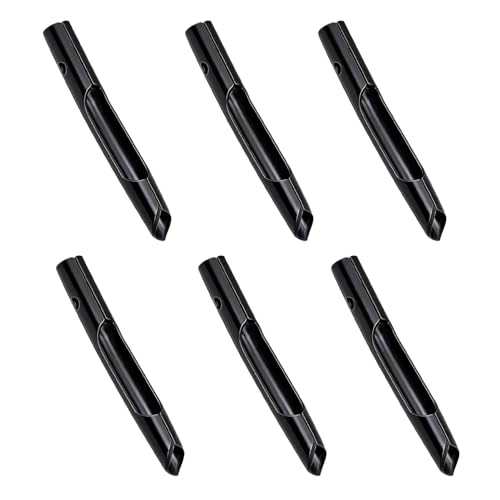
The deawater 6 aerator core tines provide a versatile set compatible with Ryan, Exmark, and Bluebird aerator equipment. It includes six aerator cores to restore lawn aeration performance and features heavy-duty steel construction for durability. It’s a good choice for buyers who own multiple brands or want a broad replacement option for worn cores.
Best for: Multi-brand users who need reliable core replacements and a complete set to restore turf aeration efficiency.
Why selected: The assortment covers common part numbers and delivers a robust core set to maintain effective soil penetration in various turf conditions.
Limitation: Requires compatible aeration equipment model numbers and may need professional adjustment for best results.
15683 Hiller-Furrower Kit for Rear Tine Tillers

The 15683 kit targets rear-tine tillers rather than front-tine models, offering wings and adjustable connections to adapt to different field conditions. It supports larger cultivated areas with multiple installation options. Best for growers who want more flexible tillage and furrowing capabilities beyond standard aeration.
Best for: Owners of rear-tine tillers seeking versatile furrow creation and adjustable wing configurations for varied landscapes.
Why selected: This kit expands the tiller’s utility beyond aeration, enabling deeper soil work and customization for different soil textures.
Limitation: Primarily designed for rear-tine tillers; compatibility with front-tine models is limited.
EARTHQUAKE DK43 Dethatcher Attachment Kit

The Earthquake Dethatcher Attachment Kit is designed to replace cultivating tines with dethatching hardware. It efficiently removes excess thatch, promoting improved water and nutrient uptake. It’s compatible with all Earthquake cultivators, offering a simple swap for a different lawn care task. Best for yards experiencing thatch buildup rather than pure aeration needs.
Best for: Earthquake cultivator users who need a dual-purpose tool for dethatching and cultivation.
Why selected: It provides an effective thatch removal option without purchasing a separate dethatching machine, aligning with integrated tiller systems.
Limitation: Not an aerator itself; it changes the function of the tiller to dethatching, which may not suit all aeration goals.
BlumeTrec 40-Inch Tow Behind Spike Aerator

The BlumeTrec tow-behind aerator features 10 galvanized steel tines with independent rotation, penetrating up to 2 inches. It includes a heavy-durable steel frame and a weight tray for deeper penetration. This option is best for larger lawns and owners who want broad, consistent coverage with minimal turns. Use heavy weights to maximize penetration when soil is compacted.
Best for: Users with larger lawns or tractor-compatible equipment seeking wide-area aeration and deeper penetration.
Why selected: The adjustable weight tray and independent tine rotation help reduce skipped zones and improve overall aeration efficiency on bigger properties.
Limitation: Tow-behind design requires a compatible tractor or vehicle and road-worthy towing setup; maneuvering can be more complex on small lots.
Seeutek 40 Inch Tow Behind Spike Aerator

The Seeutek tow-behind aerator uses ten 8-inch 3D star tines that rotate independently for consistent soil penetration. Its all-steel construction and heavy-duty weight tray support up to 330 lbs of additional weight, enabling deeper aeration. The design reduces missed areas during turns and improves overall lawn health. It is best for those seeking strong durability and wide coverage on mid-to-large lawns.
Best for: Gardeners with larger plots that want robust, long-lasting equipment and the option to add weight for deeper soil work.
Why selected: The independent star tines and high weight capacity make it a solid choice for aggressive aeration and uniform results across uneven terrains.
Limitation: Heavier setup and higher maintenance; ensure tractor compatibility and storage space for the unit.
Buying Guide: Key Considerations For Choosing A Lawn Aerator Attachment Kit
What should I consider before buying an aerator attachment for a front-tine tiller?
- Compatibility: Check your tiller model and brand, as attachments are often model-specific. Some options are universal, but many work best with their original platform.
- Soil Type and Depth: Consider how deeply you need to aerate. Core tines generally reach deeper than spike designs, and weight trays can influence penetration in compacted soils.
- Coverage Area: Tow-behind units expand lawn coverage but require a suitable vehicle. For smaller lawns, compact on-tiller attachments may be preferable.
- Durability: Look for heavy-duty steel construction, corrosion resistance, and replaceable cores or tines to extend life in rough conditions.
- Ease of Use: Some models are quick to attach or detach, while others require tools and assembly. Tilting mechanisms or step-and-tilt designs reduce operator strain.
- Maintenance: Ensure you can access replacement parts easily and that installation won’t void warranties on your tiller.
How to choose between spike, core, and dethatching attachments?
- Spike Aerators: Good for light aeration and loose soil, but may not relieve compaction as effectively as core tines.
- Core Aerators: Best for severe compaction and improving root access; leave soil plugs that break down naturally.
- Dethatching Attachments: Useful for reducing thatch buildup, which can improve water and nutrient penetration but are not sole aeration tools.
What maintenance steps help maximize aeration results?
- Water the lawn prior to aeration for better tine penetration in dry soils.
- Inspect tines or cores for wear and replace as needed to maintain even penetration.
- Clean attachments after use to remove soil and debris that can corrode metal components.
FAQ
- Can I use any aerator attachment on any front-tine tiller?
No. Attachments are often model-specific. Verify compatibility with your tiller’s make and model before purchasing. - What depth should aeration reach for a healthy lawn?
Depths of 1 to 2 inches are common for many lawns, with deeper penetration benefiting compacted soils. - Are tow-behind aerators better than on-tiller options?
Tow-behind units cover more area and can provide deeper penetration with weight, but require proper towing equipment and space. - Is dethatching necessary with aeration?
Dethatching improves nutrient and water penetration, but it is a separate task from aeration. Some kits offer dethatching in addition to tiller functionality. - What maintenance tips extend the life of aerator attachments?
Regular cleaning, inspecting wear parts, and replacing worn tines or cores help maintain performance and longevity.